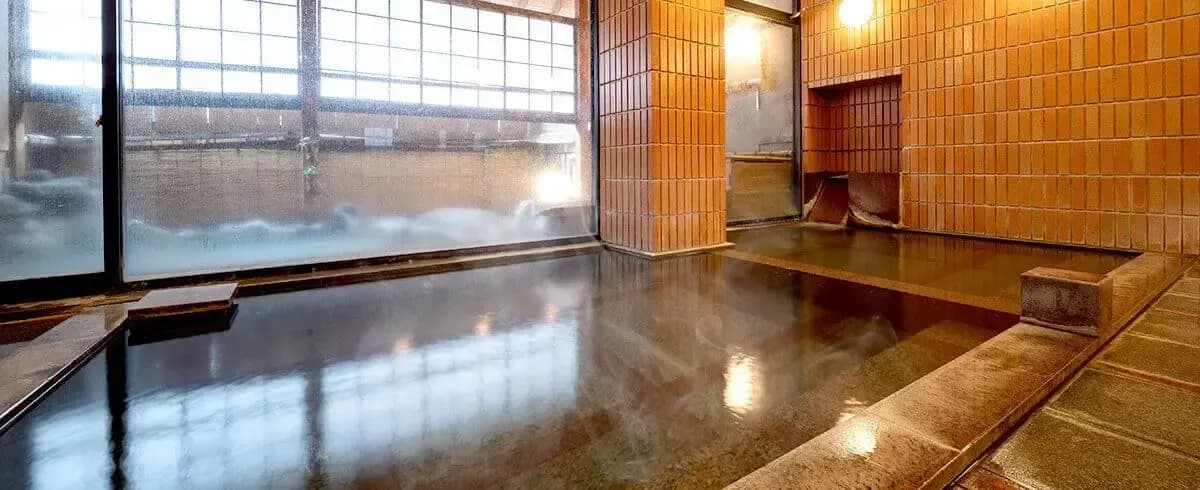
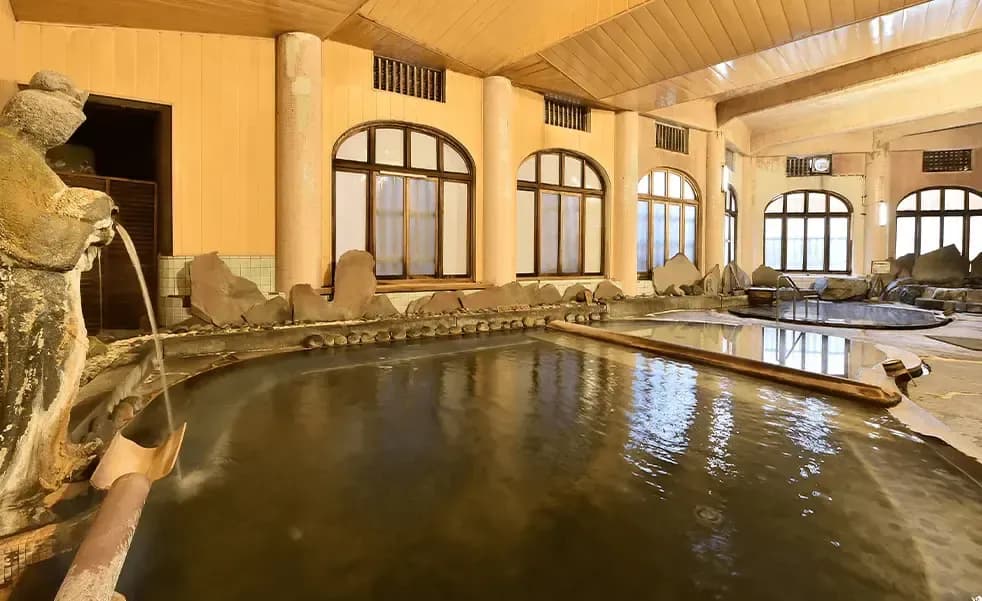
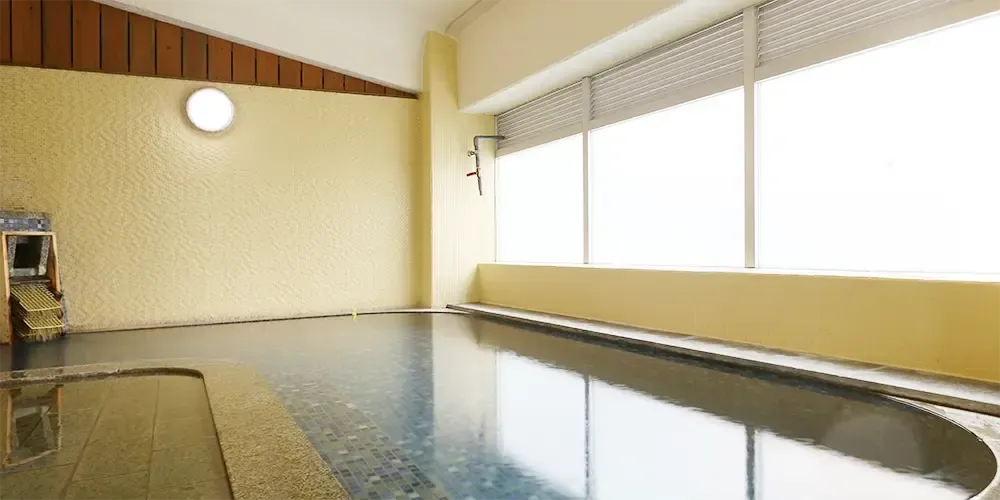
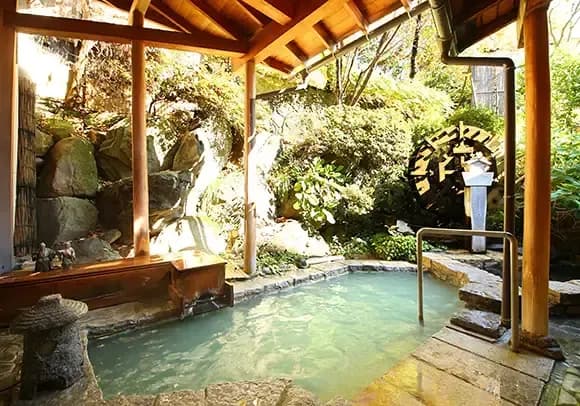
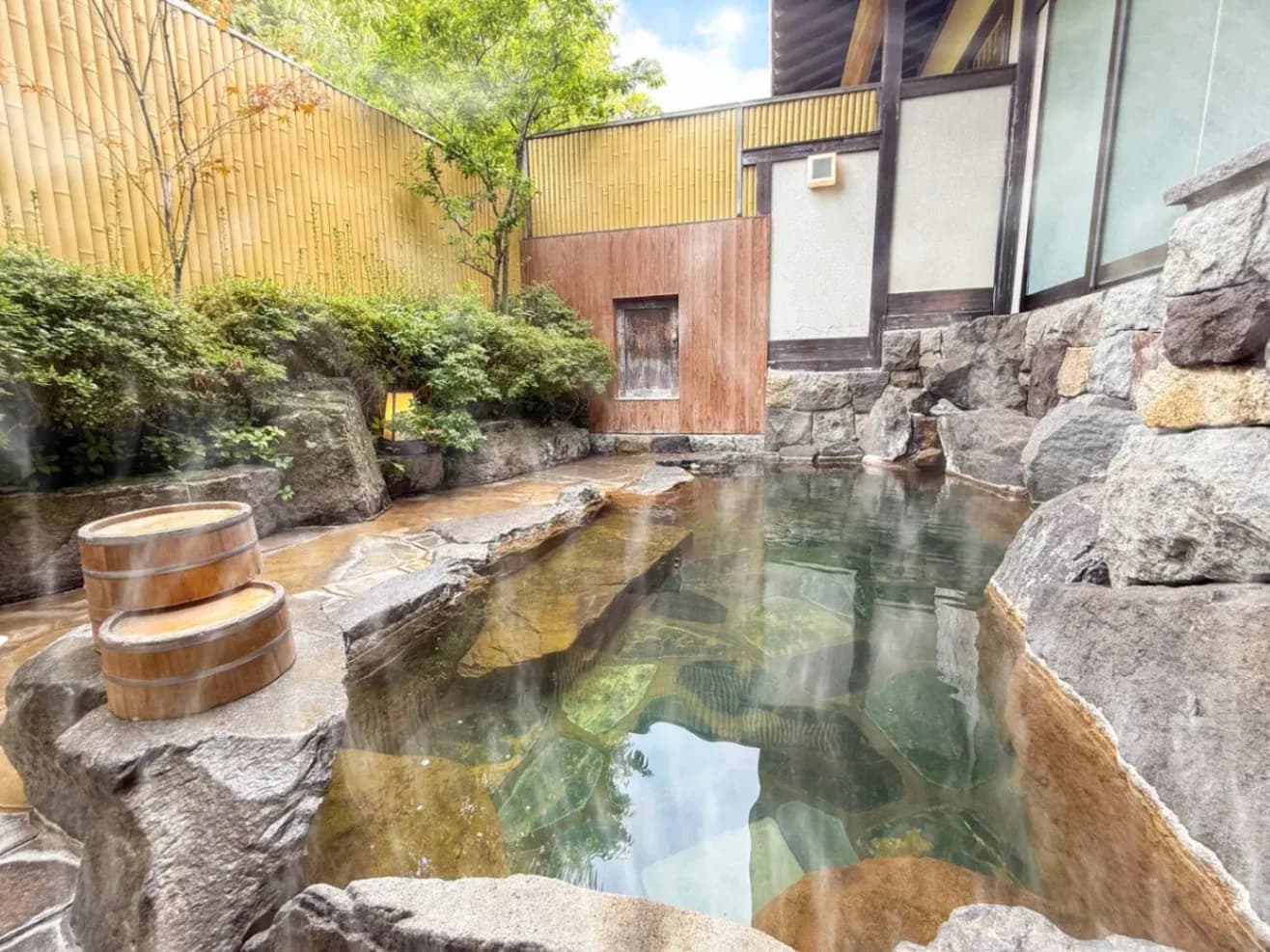
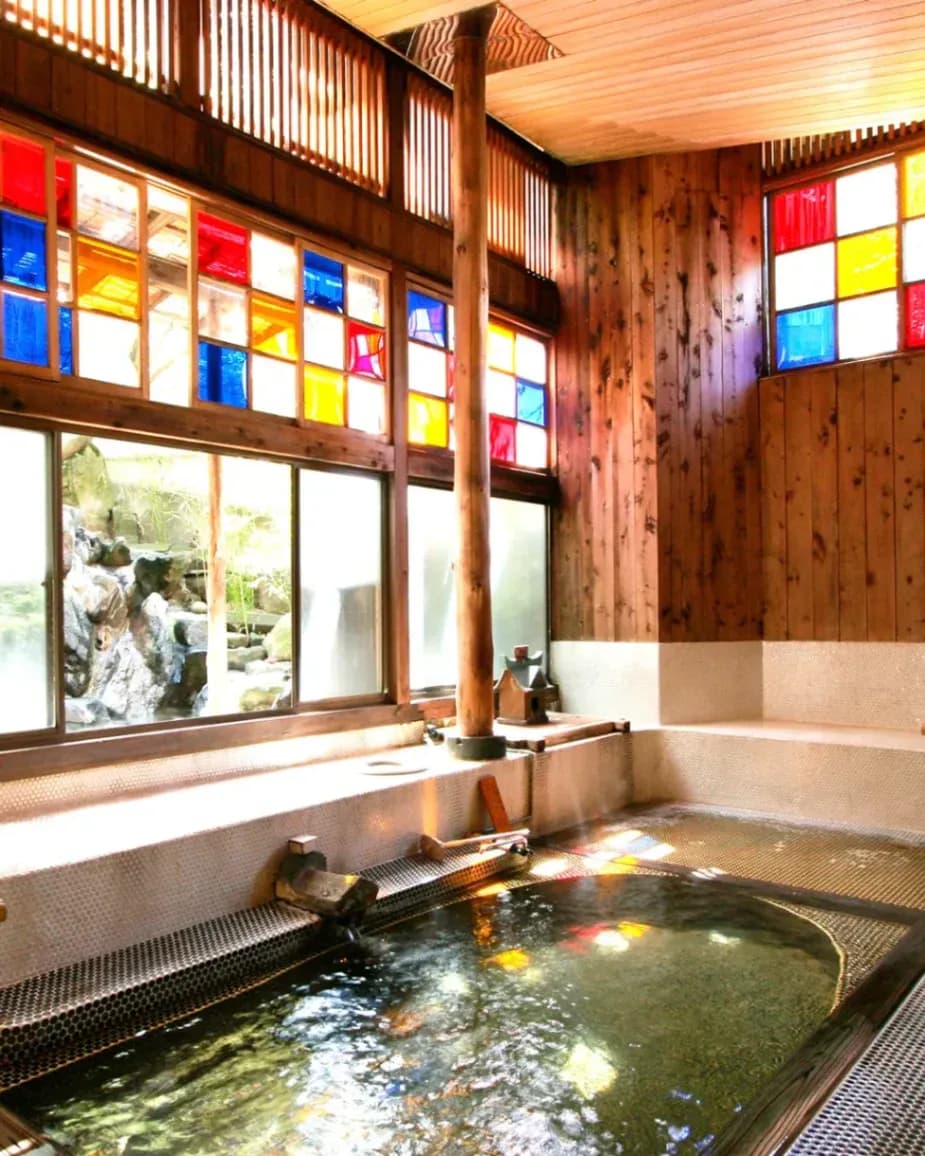
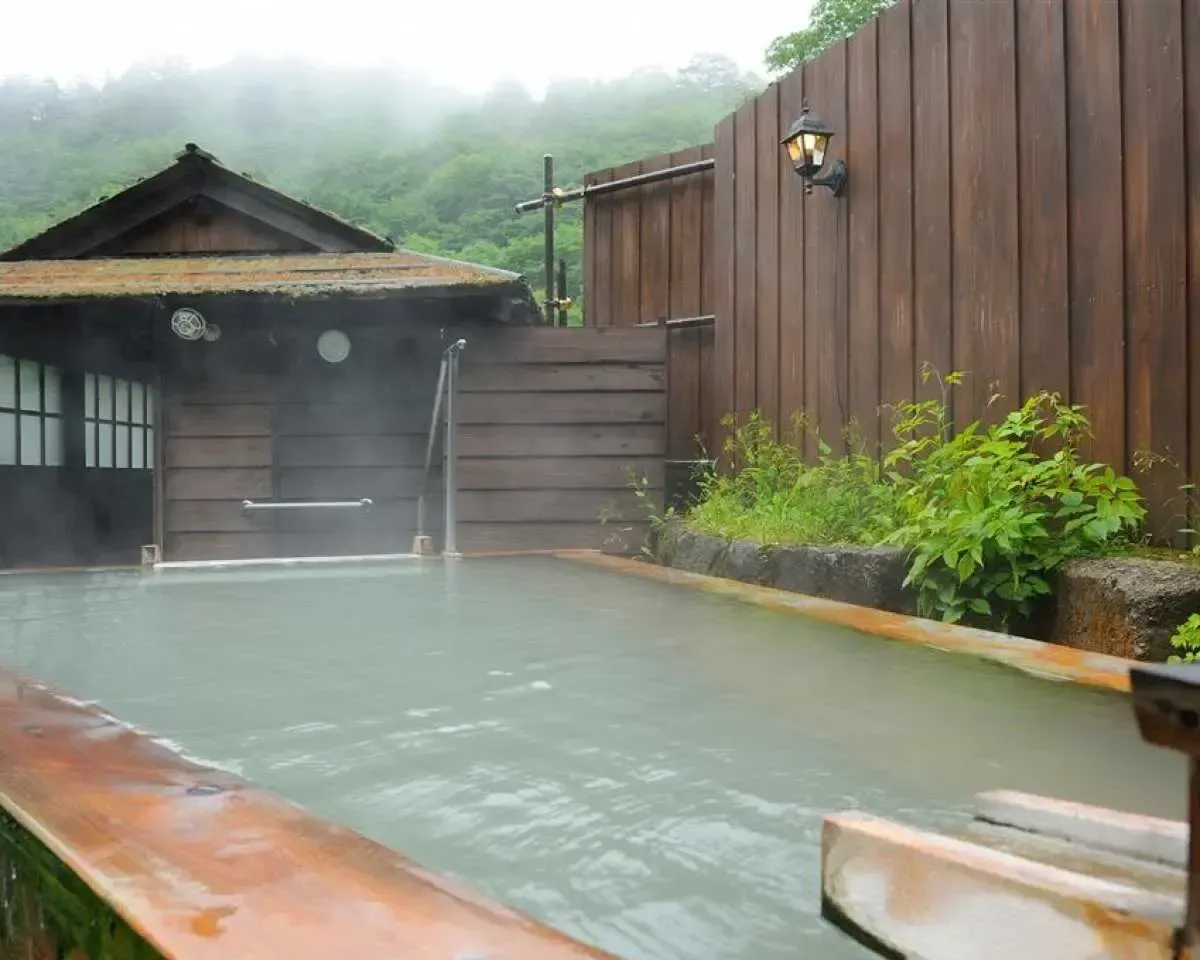
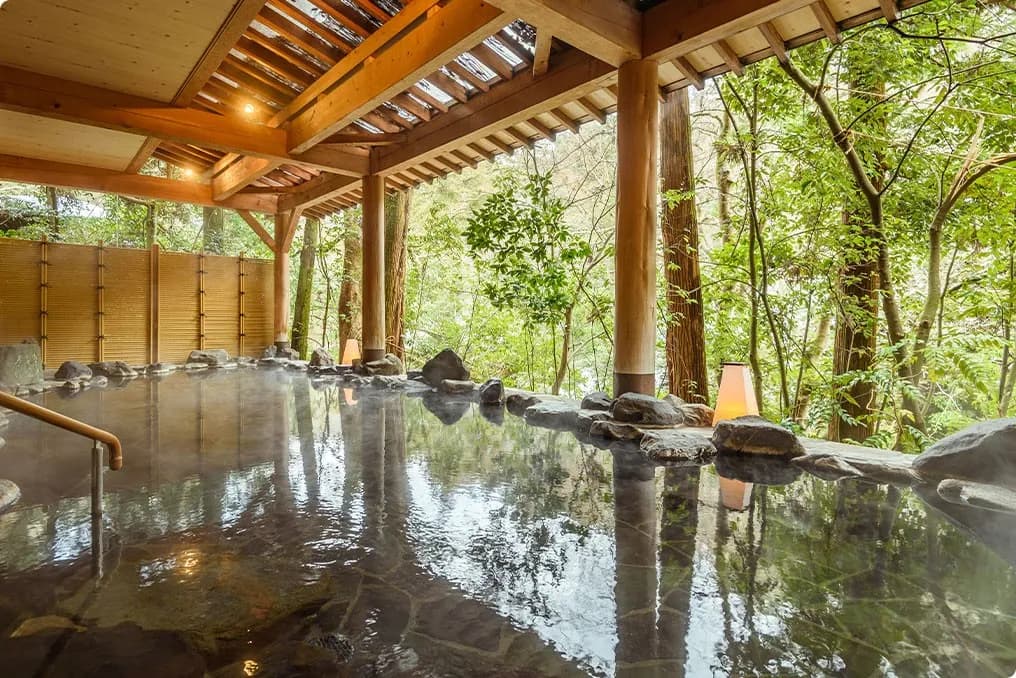
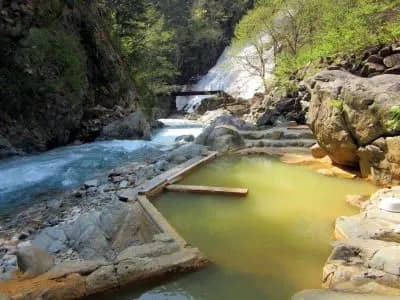
What sets Nagano apart is not the number of hot springs but the soto-yu — public bathhouses owned and cleaned by the villagers themselves. Nozawa Onsen has thirteen of them. Shibu Onsen has nine. Bessho Onsen has three. You walk between them in a yukata and wooden sandals; at Nozawa you pay by dropping coins in a box.
This guide covers 20 places: eleven inns where you can stay the night, and nine public baths and day-use facilities open to visitors. A separate list below gives the individual page for all 26 bathhouses in the Nozawa, Shibu, Kakuma and Andai circuits.
What this guide covers:
- Why the water differs so much between northern and central Nagano
- How the bathhouse circuits at Nozawa, Shibu and Bessho actually work for visitors
- 20 hot springs with data pages, plus 26 bathhouse listings and 13 more day baths by area
- Tattoos, mixed bathing, payment, and which areas work without a car
Two Sources of Heat
The Itoigawa–Shizuoka Tectonic Line runs north to south through the middle of Nagano. The prefecture's hot springs come from that fault and from the volcanoes clustered around it.
Northern Nagano sits beside the Shiga Kogen and Kusatsu-Shirane volcanic group. Nozawa, Shibu, Yudanaka and Yamada all draw sulphur springs and sulphate-chloride springs, and you smell sulphur at the spout. The Yatsugatake range in the east, the Northern Alps to the west, and Mount Ontake in the south supply the same volcanic heat.
Away from the volcanoes the water is different. Around Ueda, Aoki Village and Shimosuwa, groundwater rises along fault lines and comes out alkaline. The source at Tazawa Onsen Uchinyu measures pH 9.4 and Kutsukake Onsen pH 9.5 — high enough that the water feels slippery on the skin. Bathing in northern Nagano and bathing in the Ueda basin are two distinct physical experiences.
Temperature varies too. Northern bathhouses run hot, sometimes uncomfortably so for a first-timer. The waters at Aoki Village are mild enough to soak in for a long time.
The Bathhouse Towns
Nozawa Onsen (野沢温泉), Nozawa Onsen Village
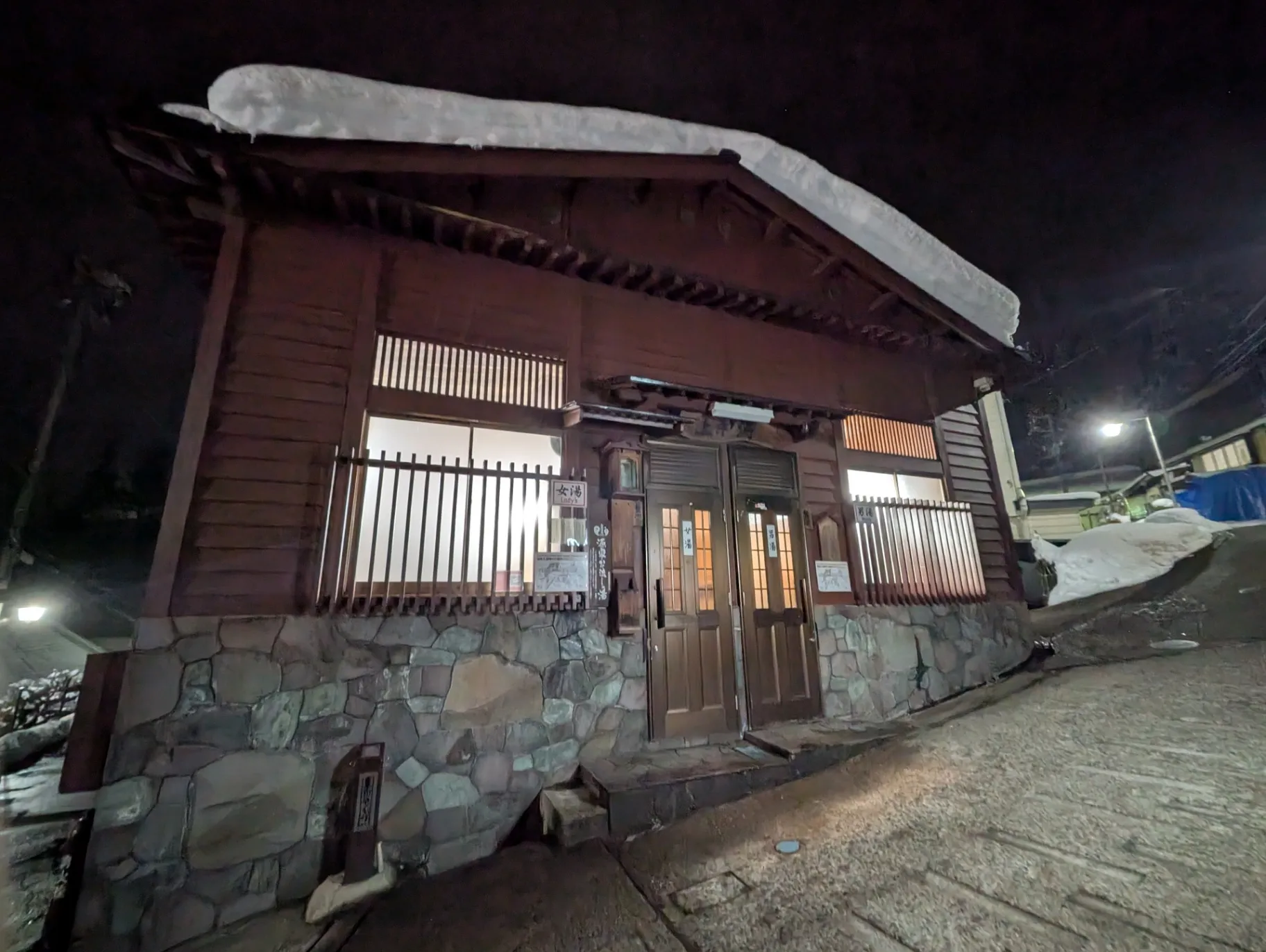
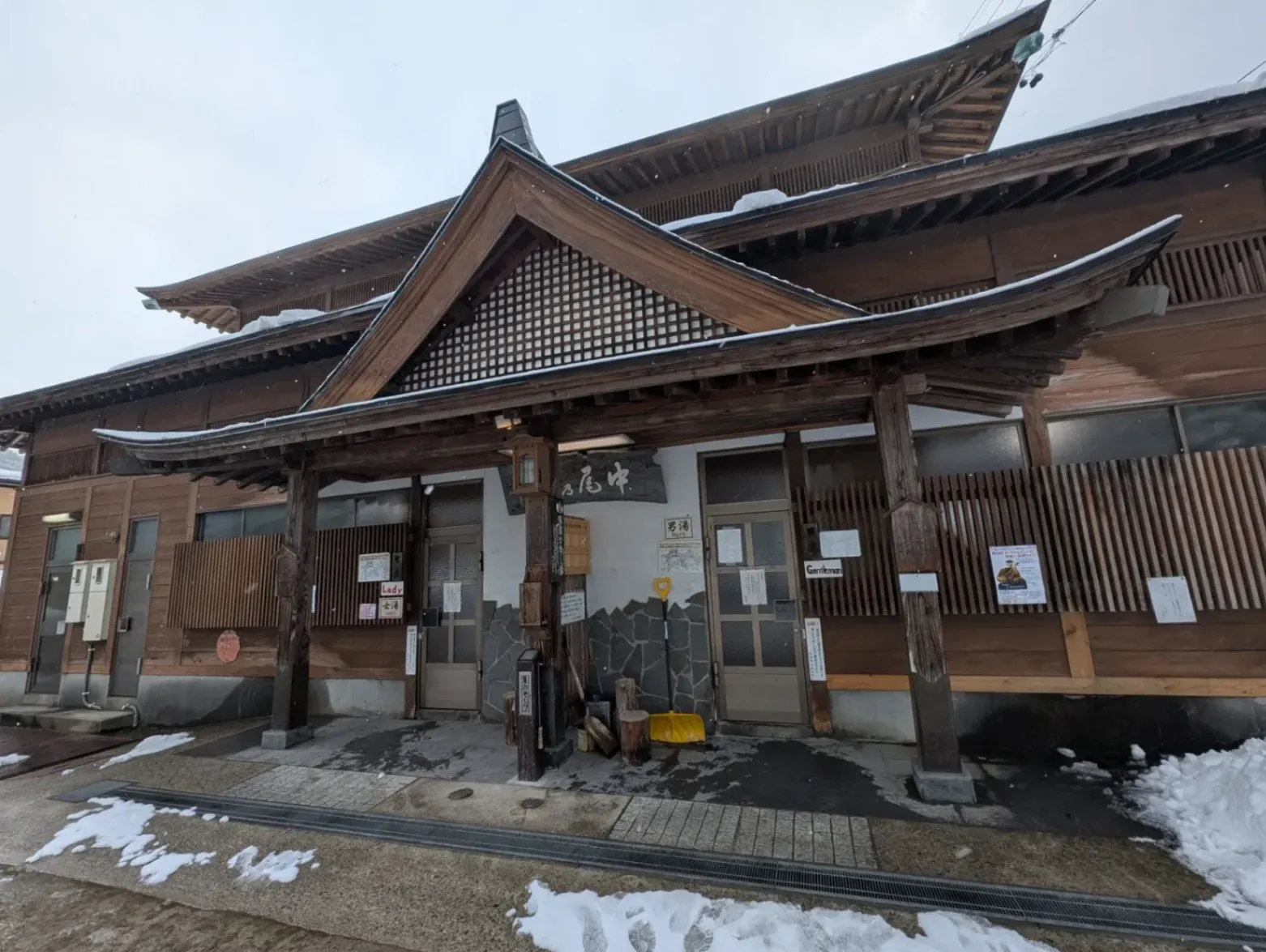
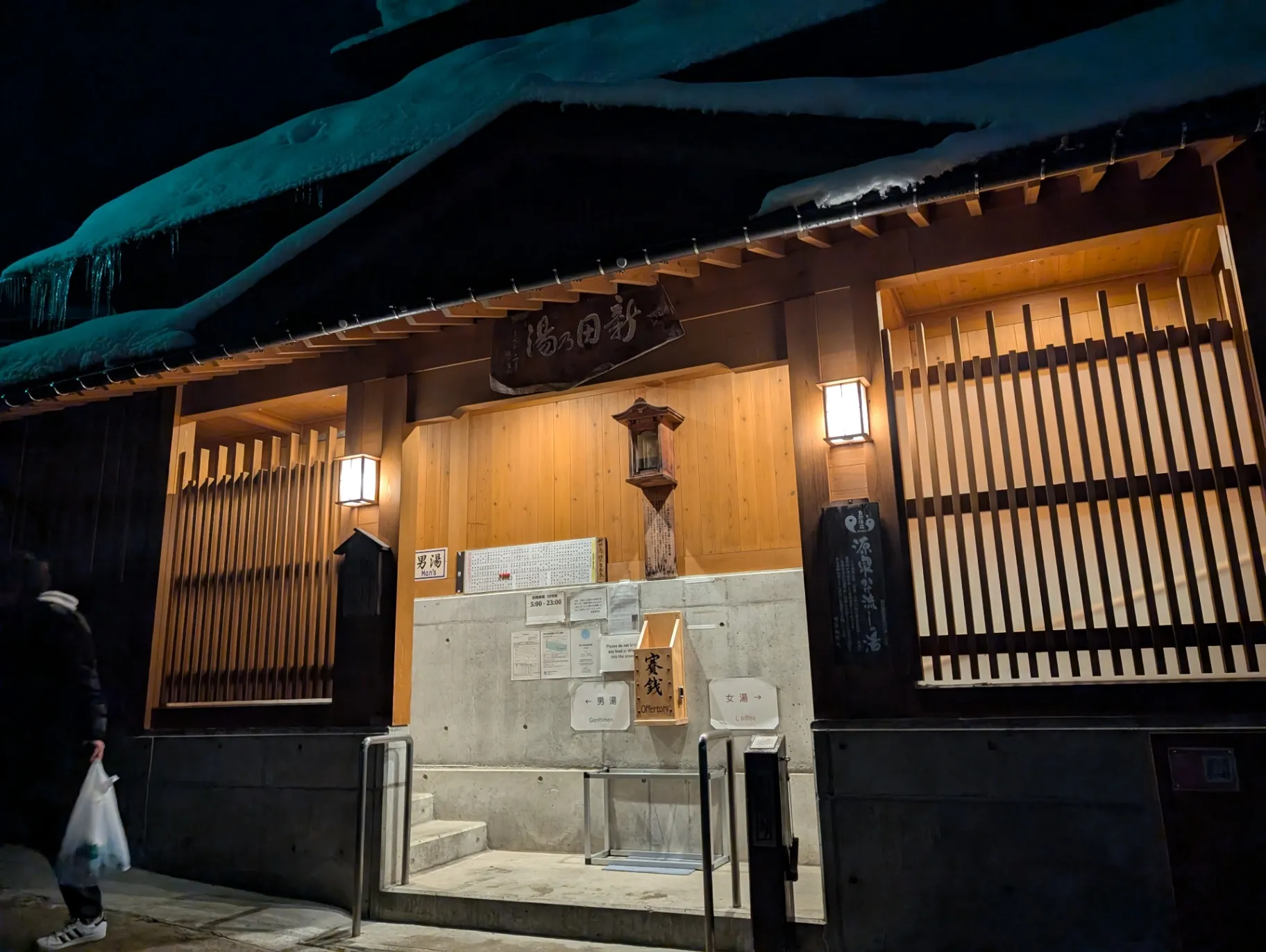
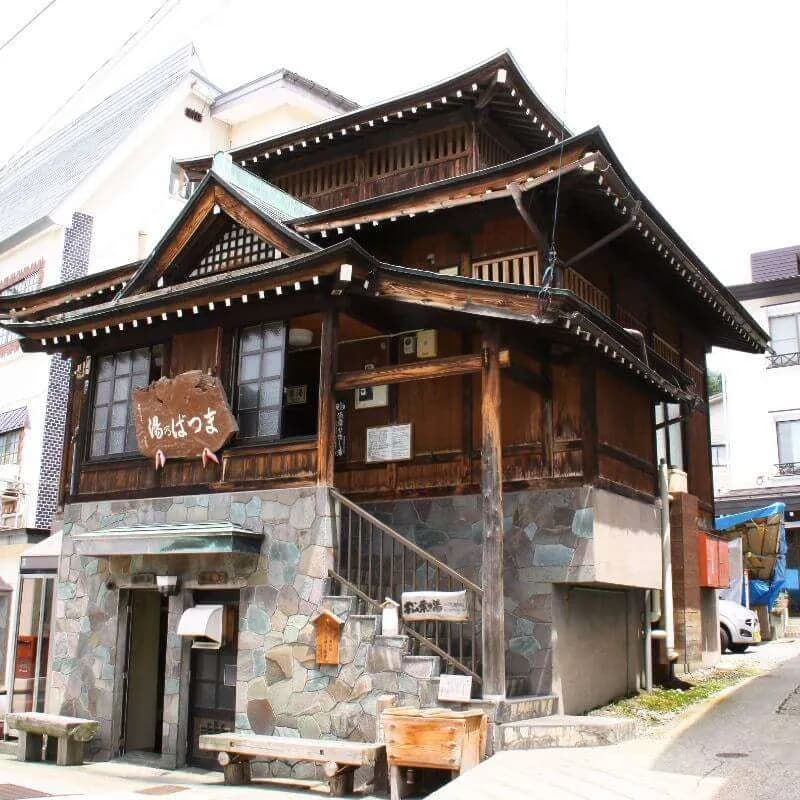
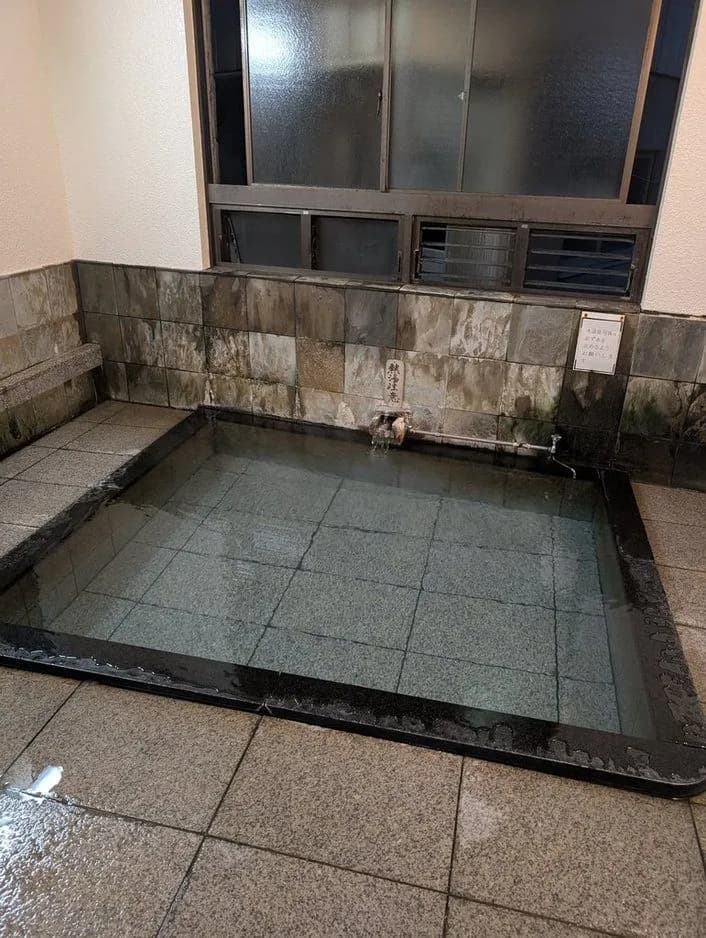
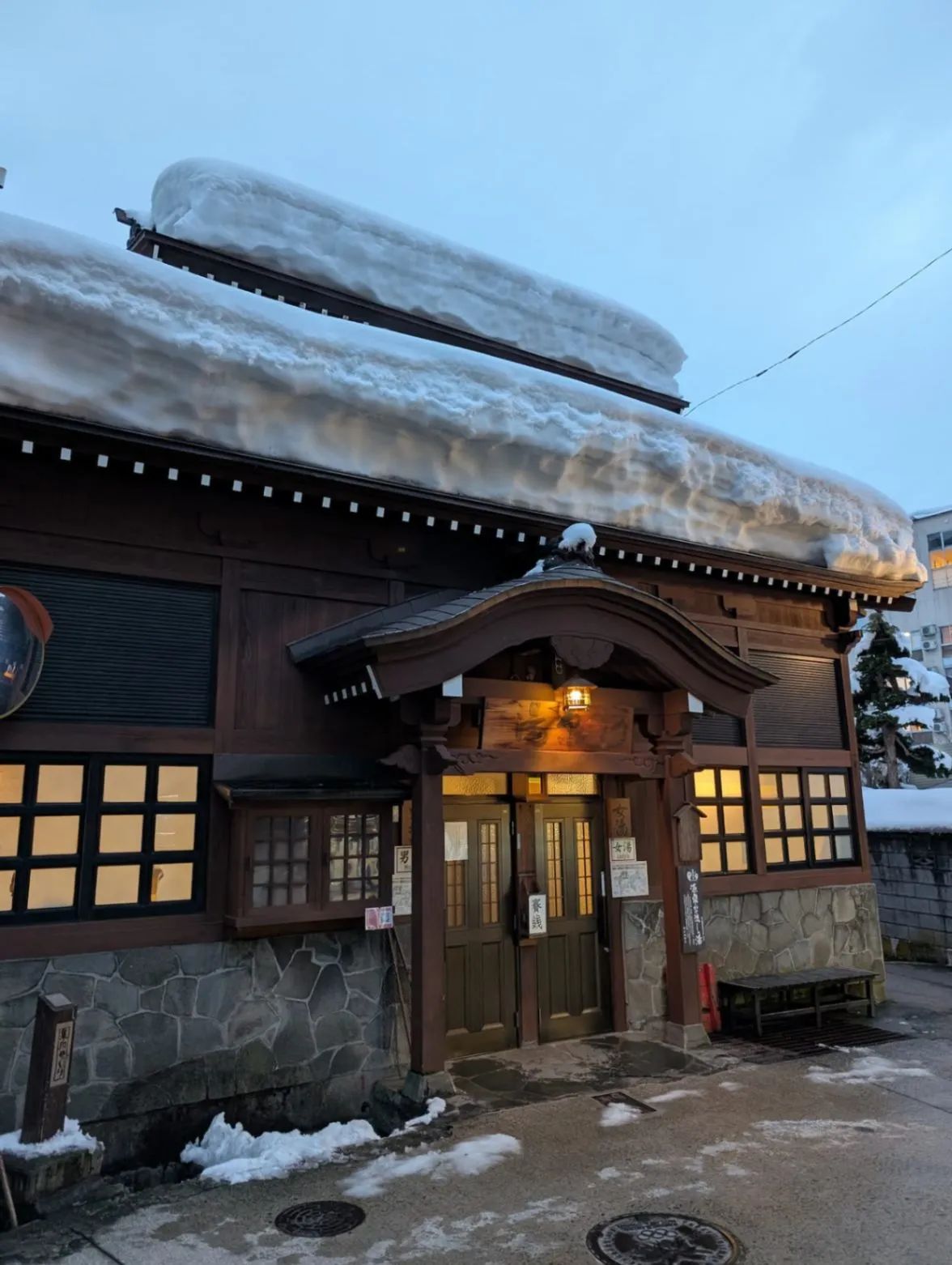
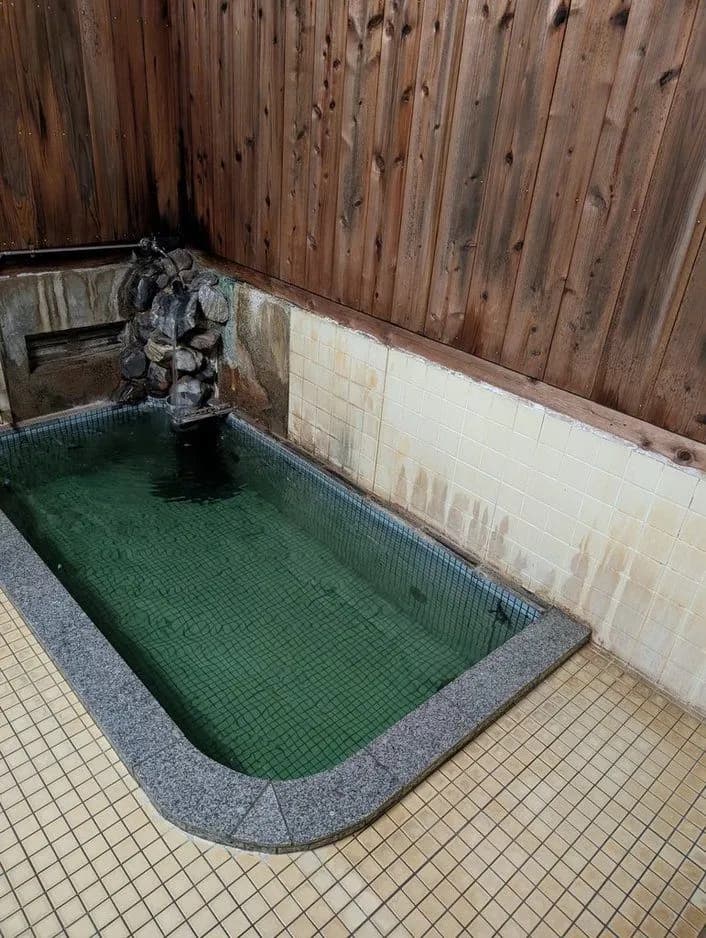
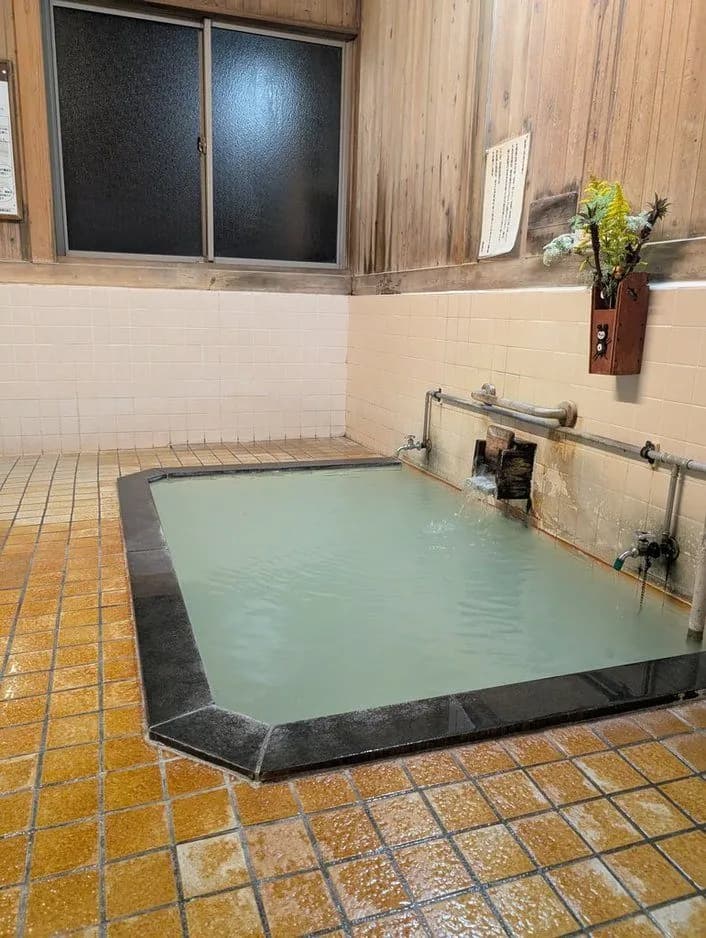
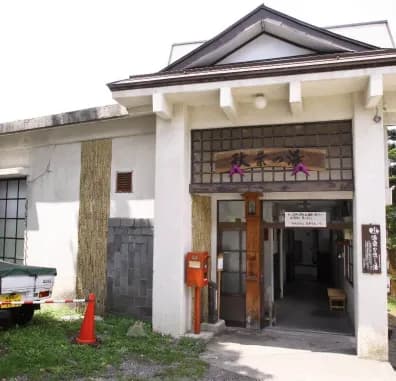
At the centre of the village is Ogama, a set of scalding pools where residents still boil vegetables. Thirteen bathhouses are scattered within walking distance, each maintained by a neighbourhood association called a yunakama. Visitors may use them. There is no fixed admission — an offering box stands by the door. All thirteen are sulphur springs, running between pH 8 and 9.
Shibu Onsen (渋温泉), Yamanouchi Town
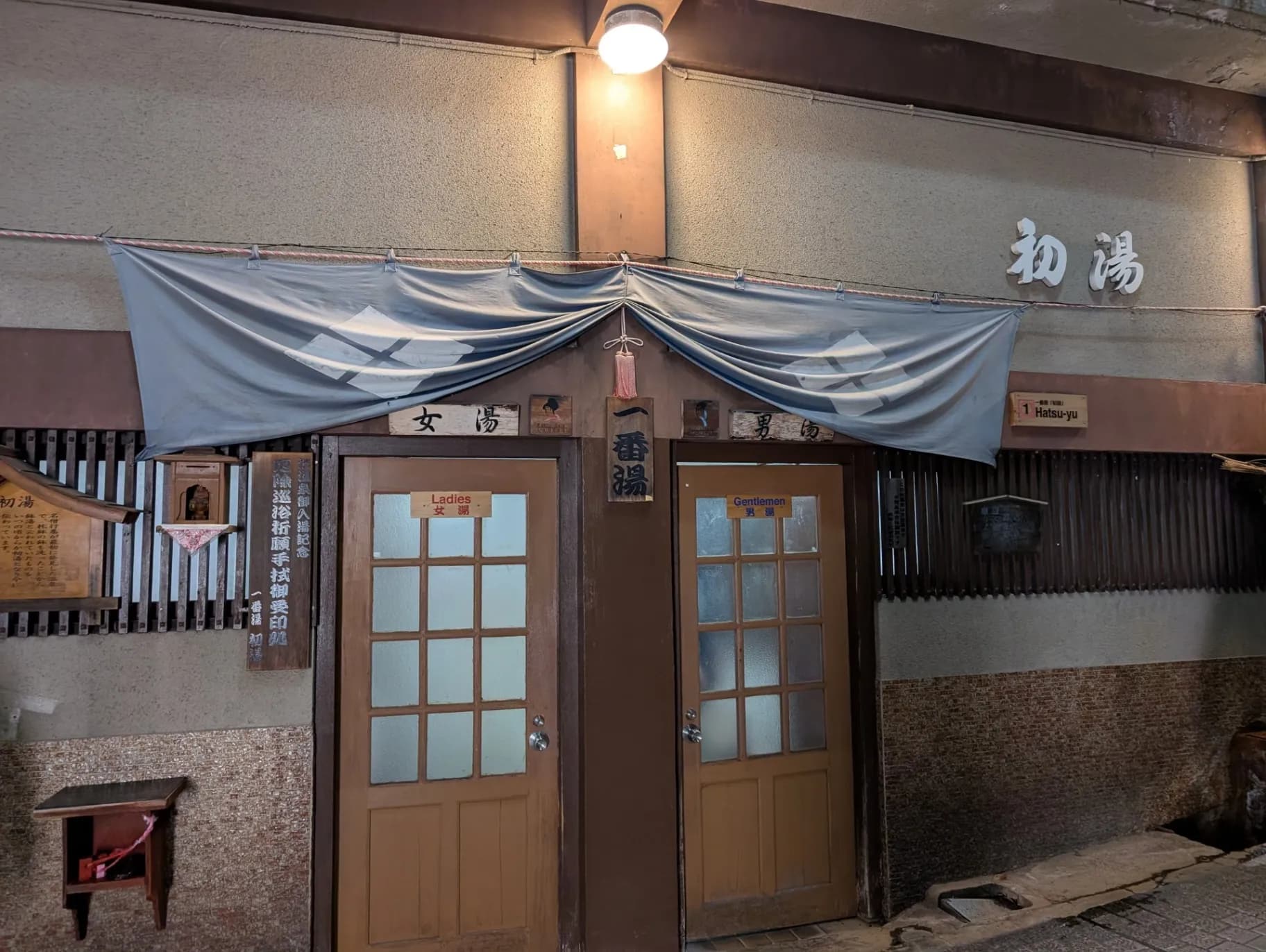
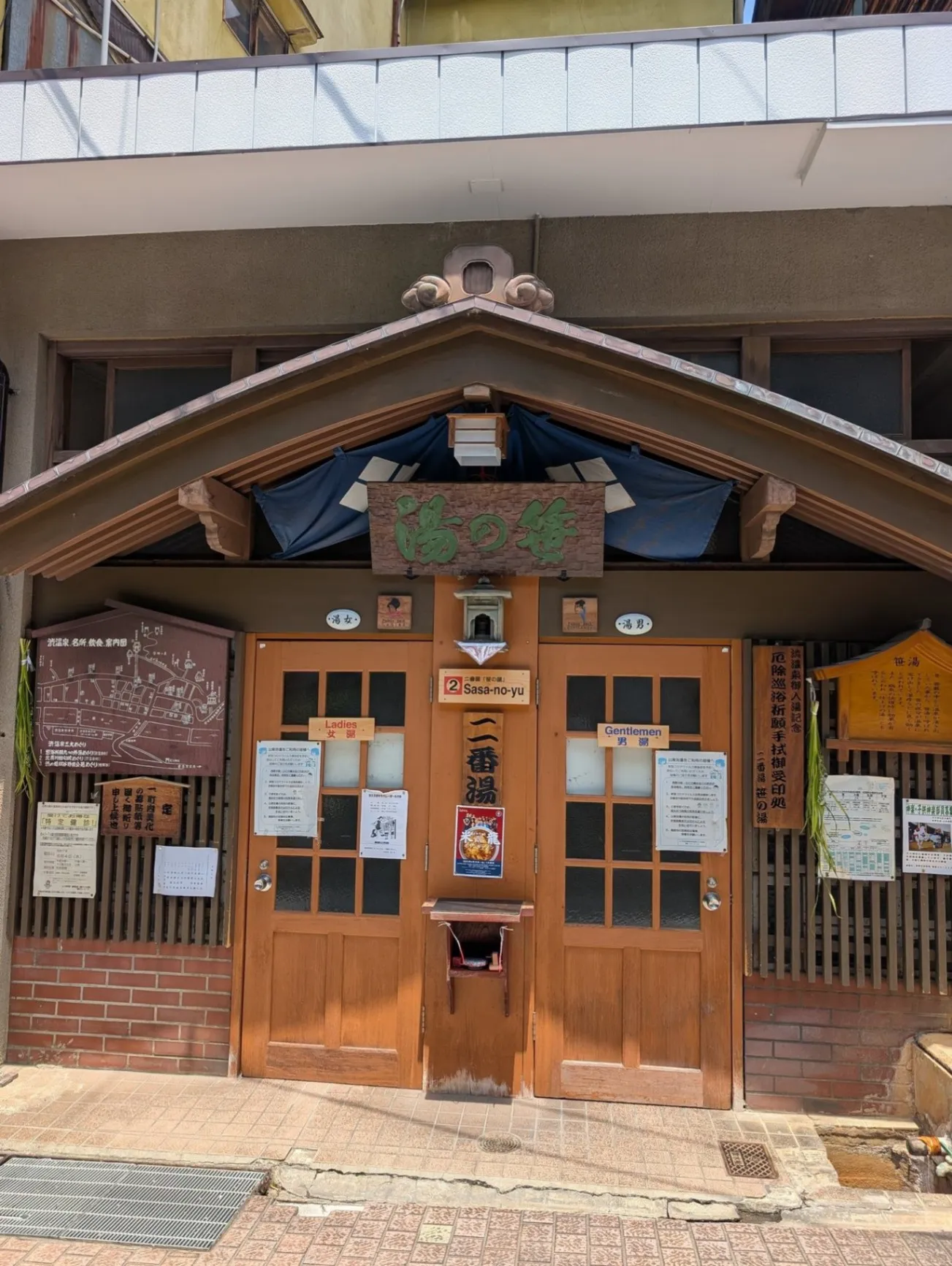
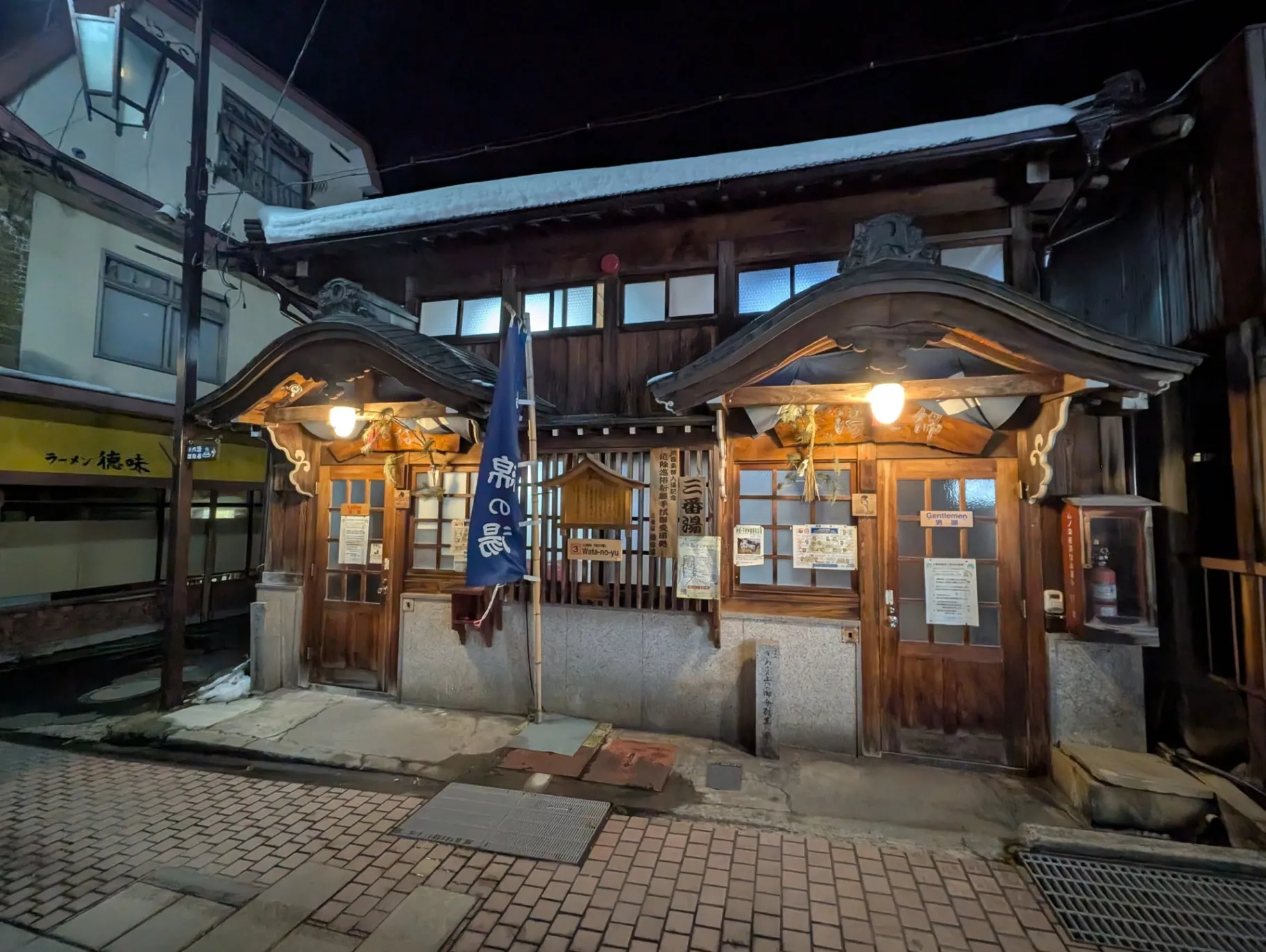
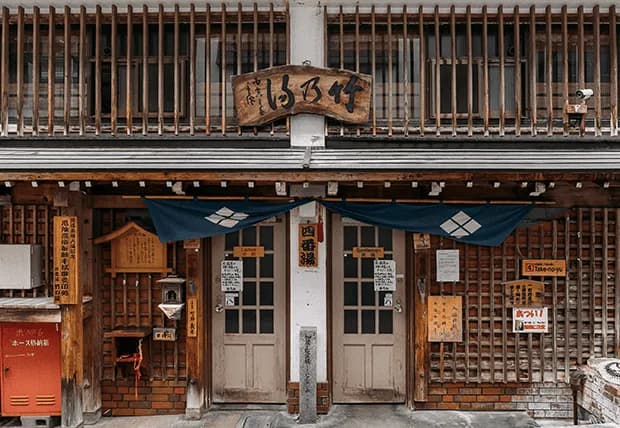
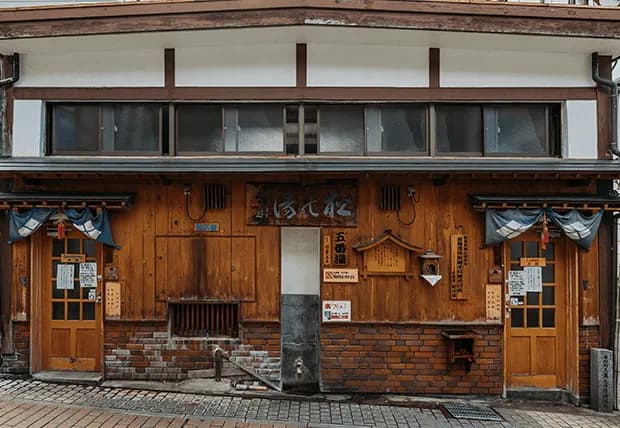
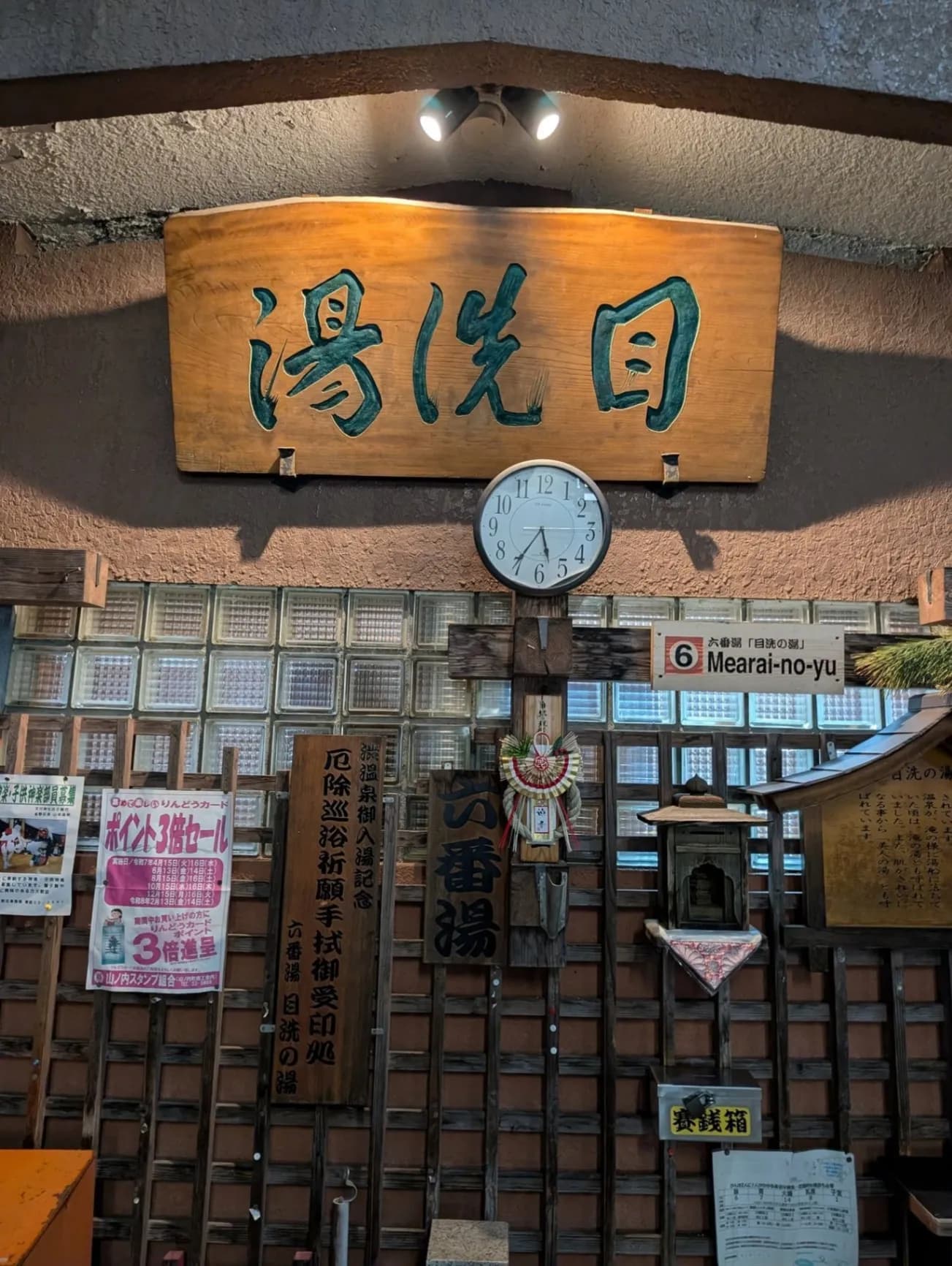
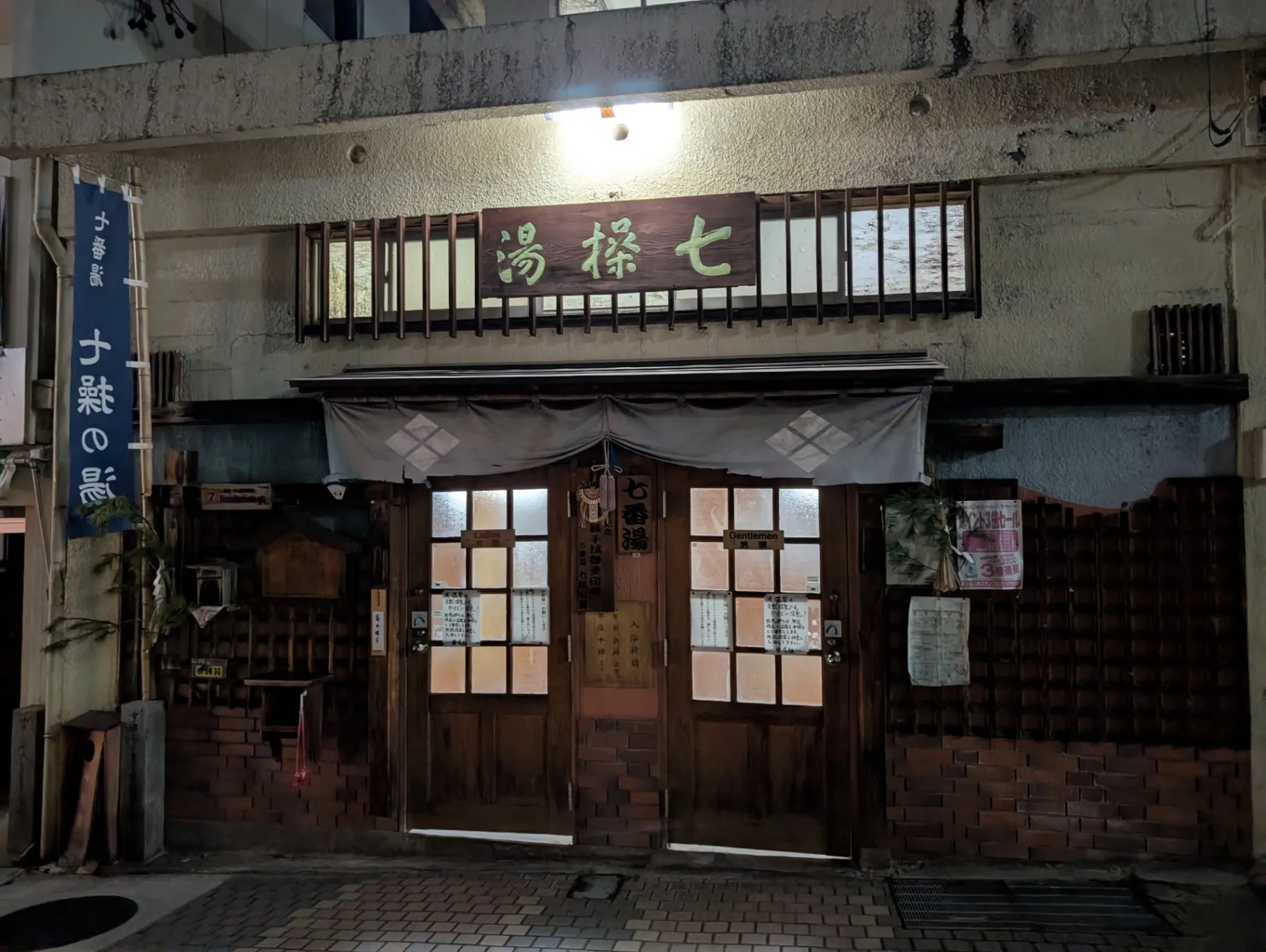
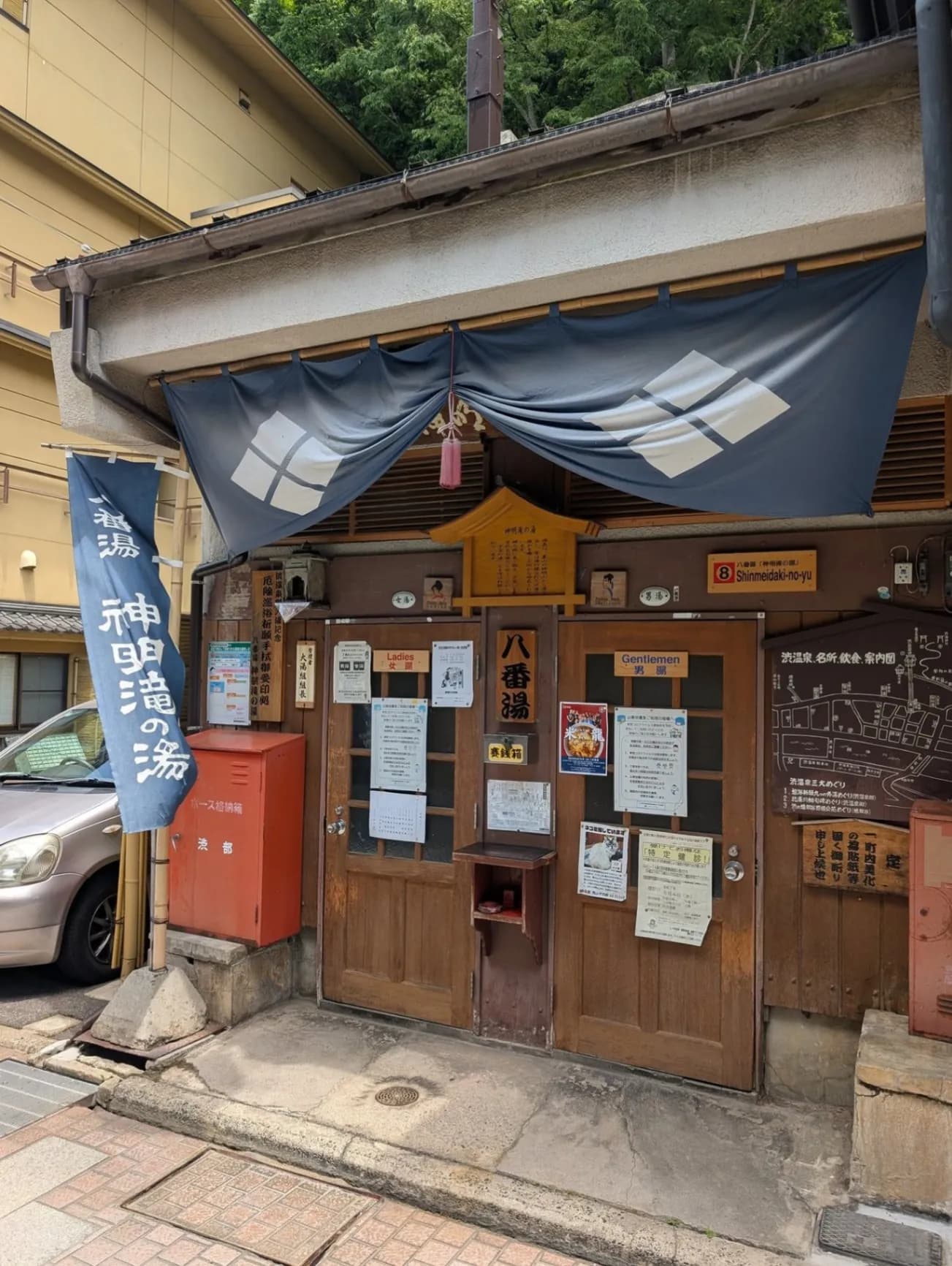
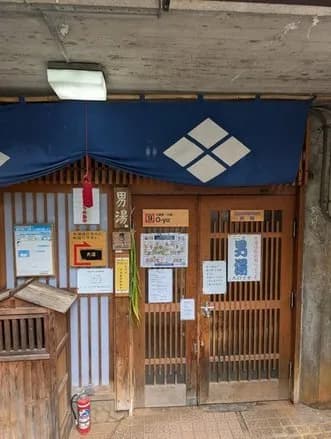
Nine bathhouses line a stone-paved street. Guests staying at a Shibu inn are given a key to all of them; day visitors can normally use only Oyu, the ninth, during set hours. The interesting part is that the sources differ from bath to bath. Hatsuyu, Oyu, Sasanoyu and Watanoyu measure pH 4.3–4.5, while Nanakurinoyu, Matsunoyu, Takenoyu and Mearainoyu sit near pH 7.5. The colour and smell change accordingly.
Bessho Onsen (別所温泉), Ueda City
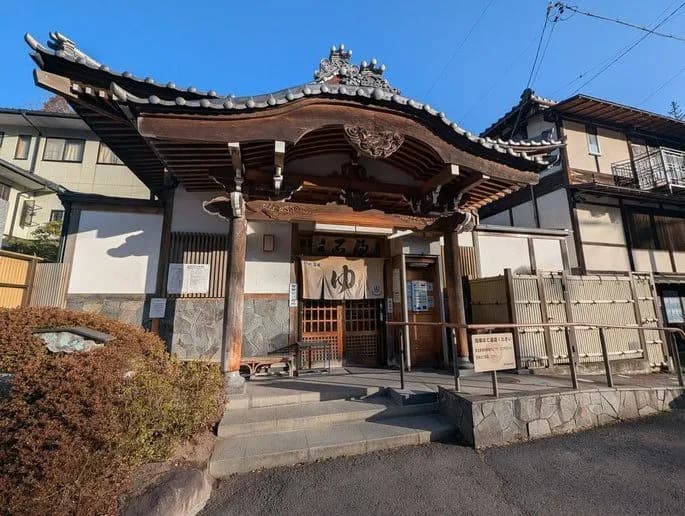
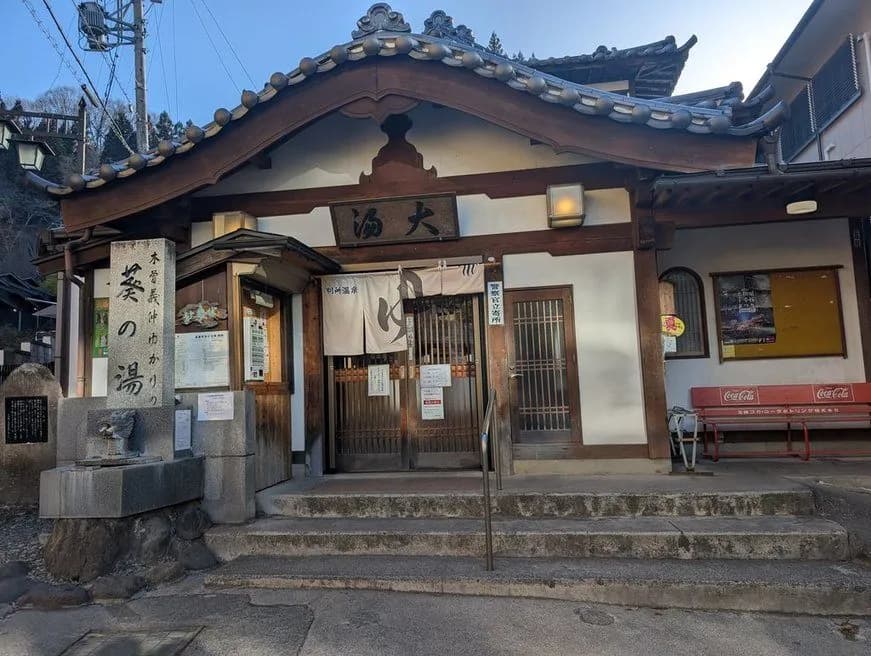
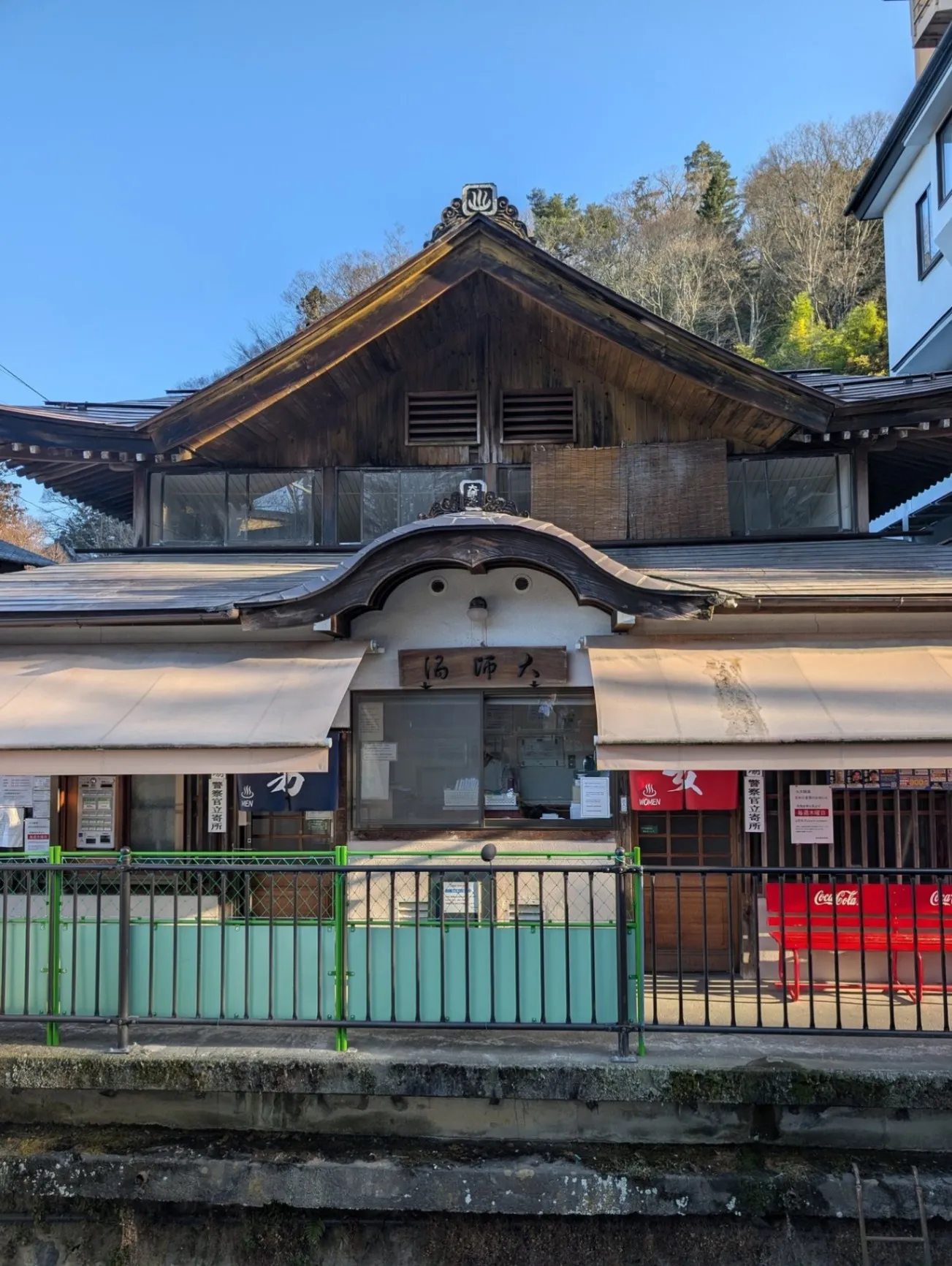
An old spa on the Shioda plain, nicknamed "the Kamakura of Shinshu" for its temples. Three bathhouses — Oyu, Ishiyu and Daishiyu — all draw a simple sulphur spring at pH 8.5. Ishiyu is built around bare rock. It is the terminus of the Ueda Dentetsu Bessho Line, so no car is needed.
Shimosuwa Onsen (下諏訪温泉), Shimosuwa Town
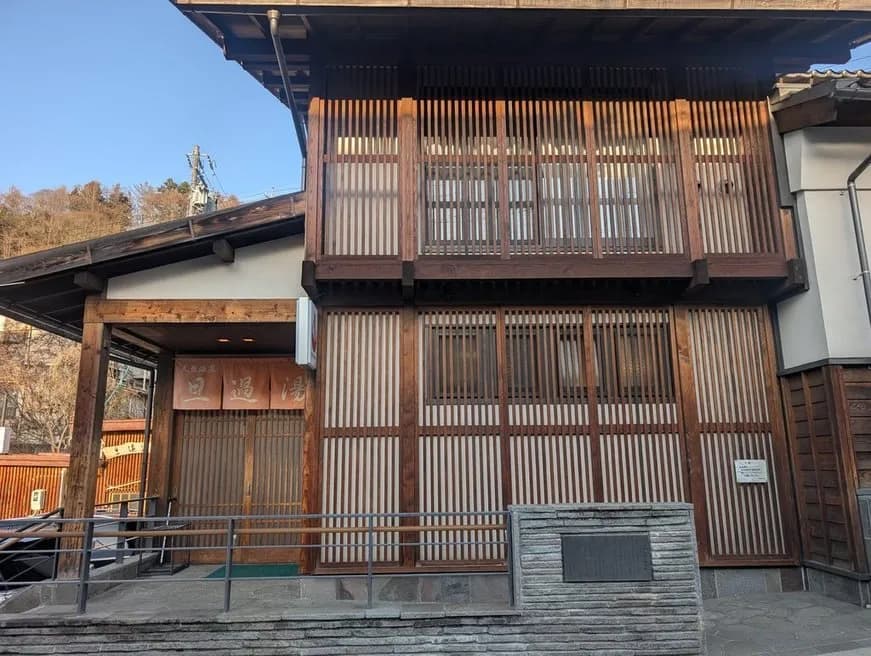
A post town where the Nakasendo and Koshu highways met. Tanga-no-Yu and Shinyu both measure pH 8.7, and Tanga-no-Yu is known for being hot. Both are a short walk from Shimosuwa station on the JR Chuo Line, near the lower shrines of Suwa Taisha.
Yudanaka-Shibu and Jigokudani (湯田中渋温泉郷・地獄谷), Yamanouchi Town
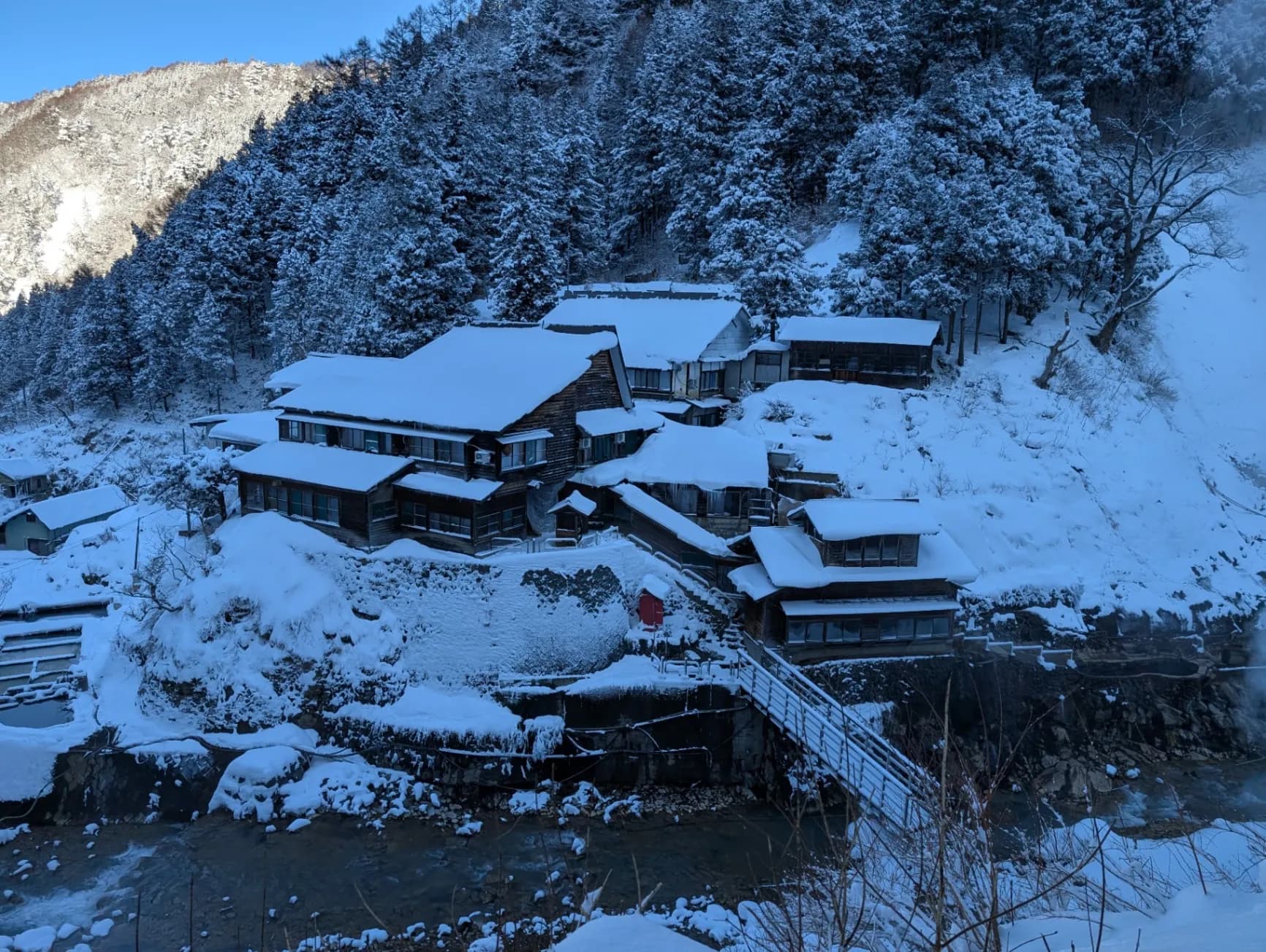
Nine hot spring settlements strung along the Yokoyu River. At the far end is Jigokudani, next to the monkey park where macaques bathe in a pool. Yudanaka station on the Nagano Dentetsu line is the gateway. About 40 minutes further up by Nagaden bus, Kuma-no-Yu at Shiga Kogen draws a free-flowing sulphur-bearing sodium bicarbonate spring at pH 7.5.
Takayama Village (信州高山温泉郷)
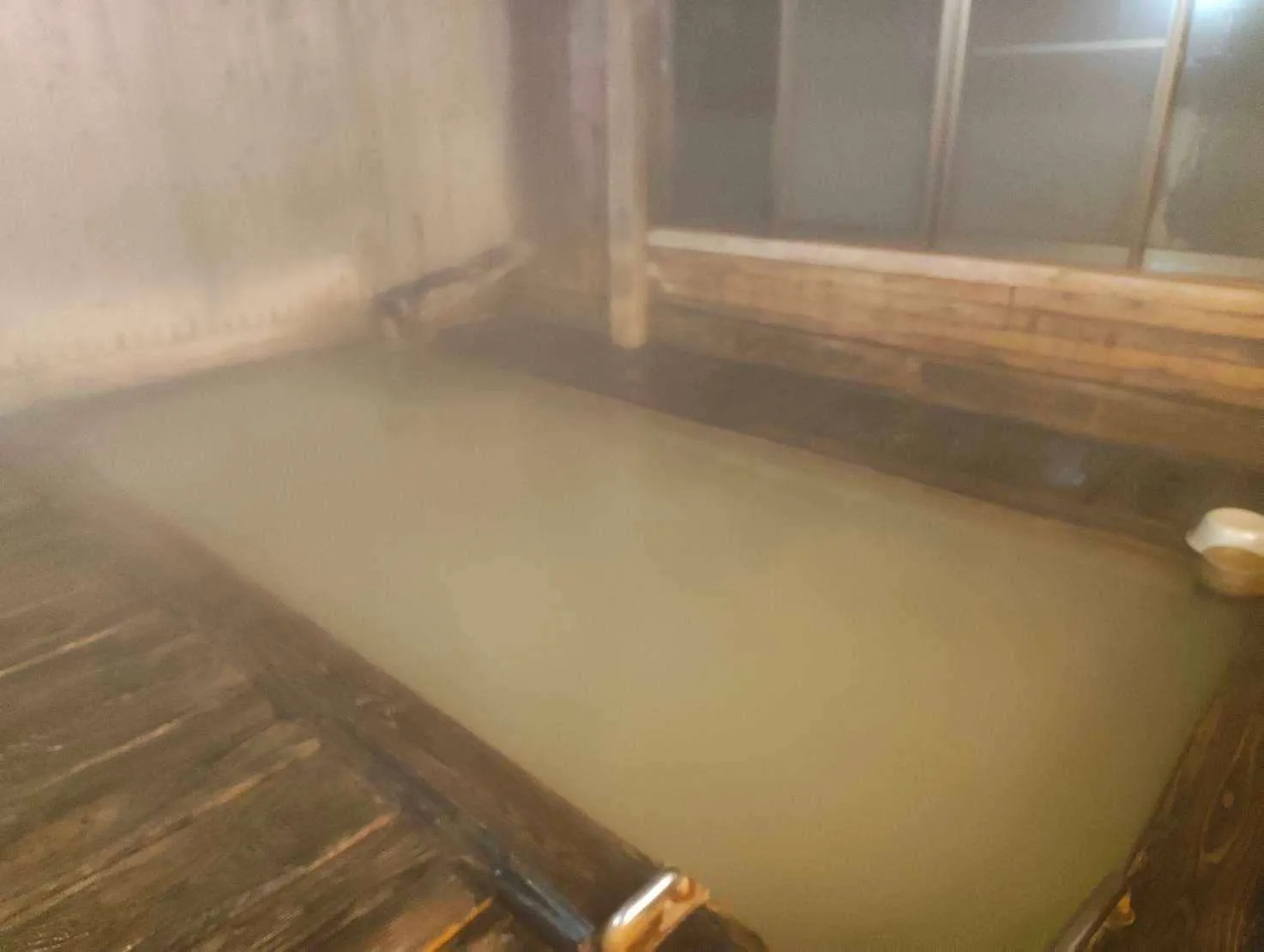
Springs scattered along the Matsukawa gorge: Yamada, Shichimi, Matsukawa, Warabi and Koyasu. Yamada Onsen Oyu is a sulphur-bearing chloride-sulphate spring, best combined with the gorge in autumn.
Shirahone and Asama (白骨温泉・浅間温泉), Matsumoto City
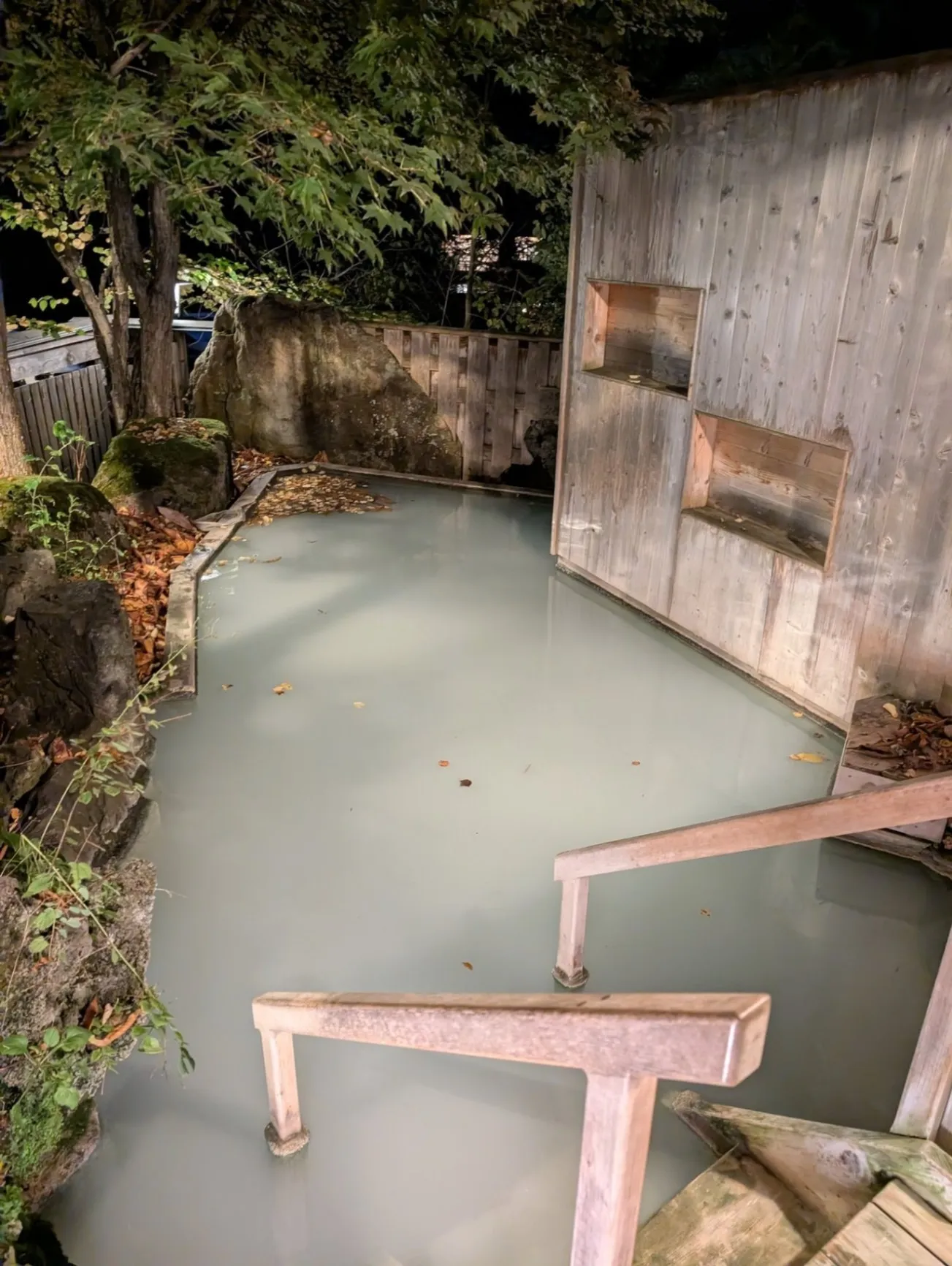
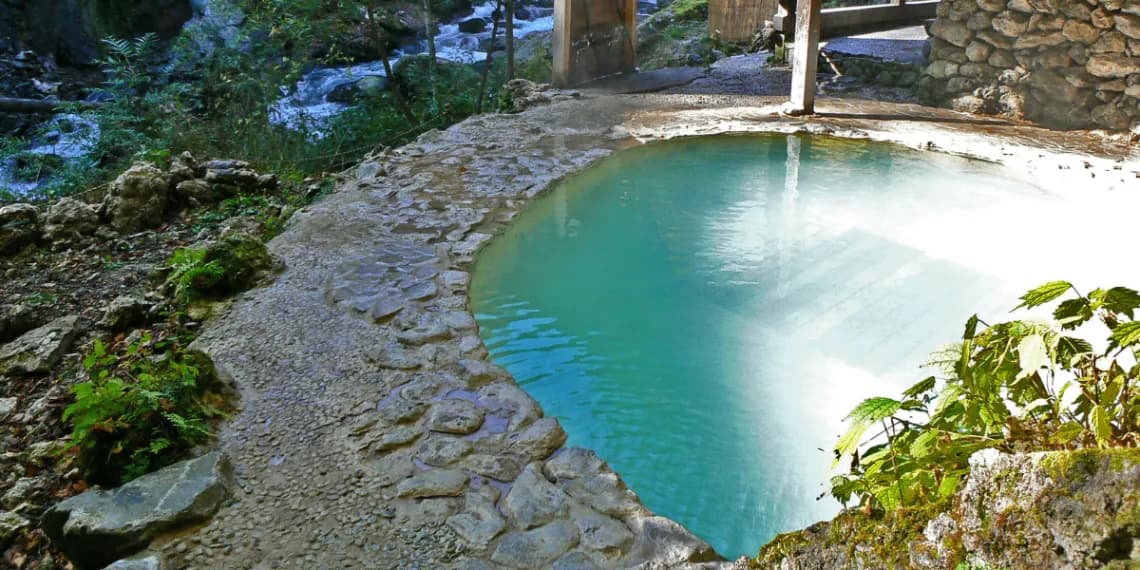
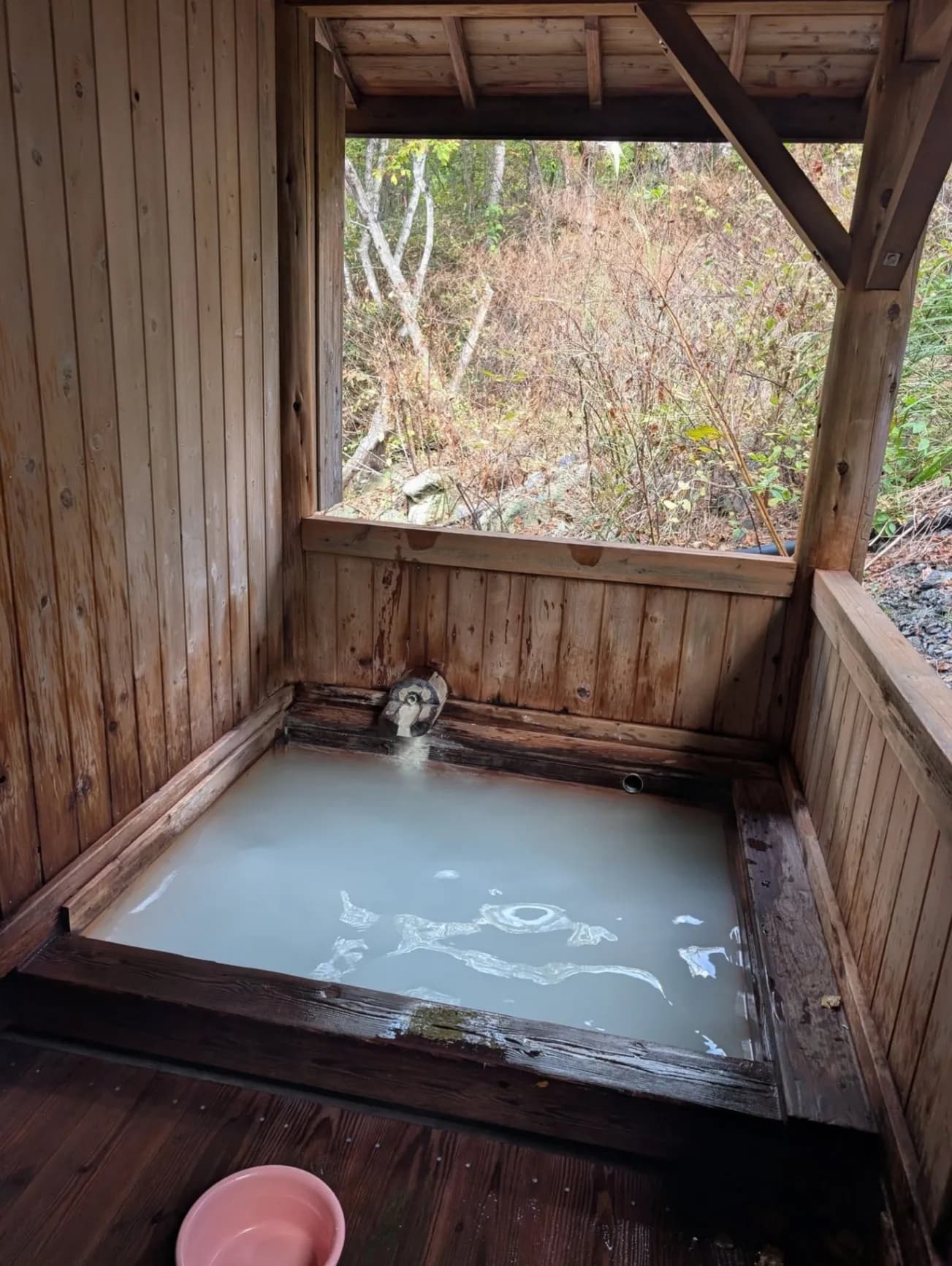
Shirahone's sulphur-bearing bicarbonate water turns milky white on contact with air; it lies in the mountains between Matsumoto and the Norikura highlands. Asama Onsen, by contrast, is twenty minutes by bus from Matsumoto station and runs alkaline and clear. One city, two completely different bathing cultures.
How These 20 Were Chosen
Three conditions:
- A visitor can actually get in (baths restricted to overnight guests, and those closed year-round, are left out of the numbered list)
- Water type, pH and free-flowing status are documented on this site's own data page
- Coverage spans northern, eastern, central and southern Nagano
That produced eleven inns and nine public baths and day-use facilities. Inns come first in the numbering, public baths after.
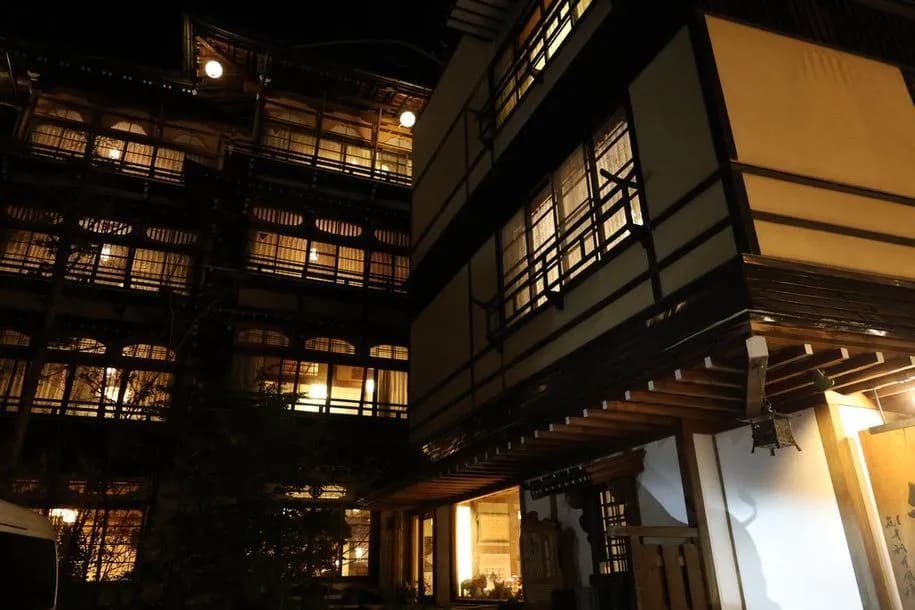
1. Shibu Onsen Kanaguya (渋温泉 金具屋), Yamanouchi Town

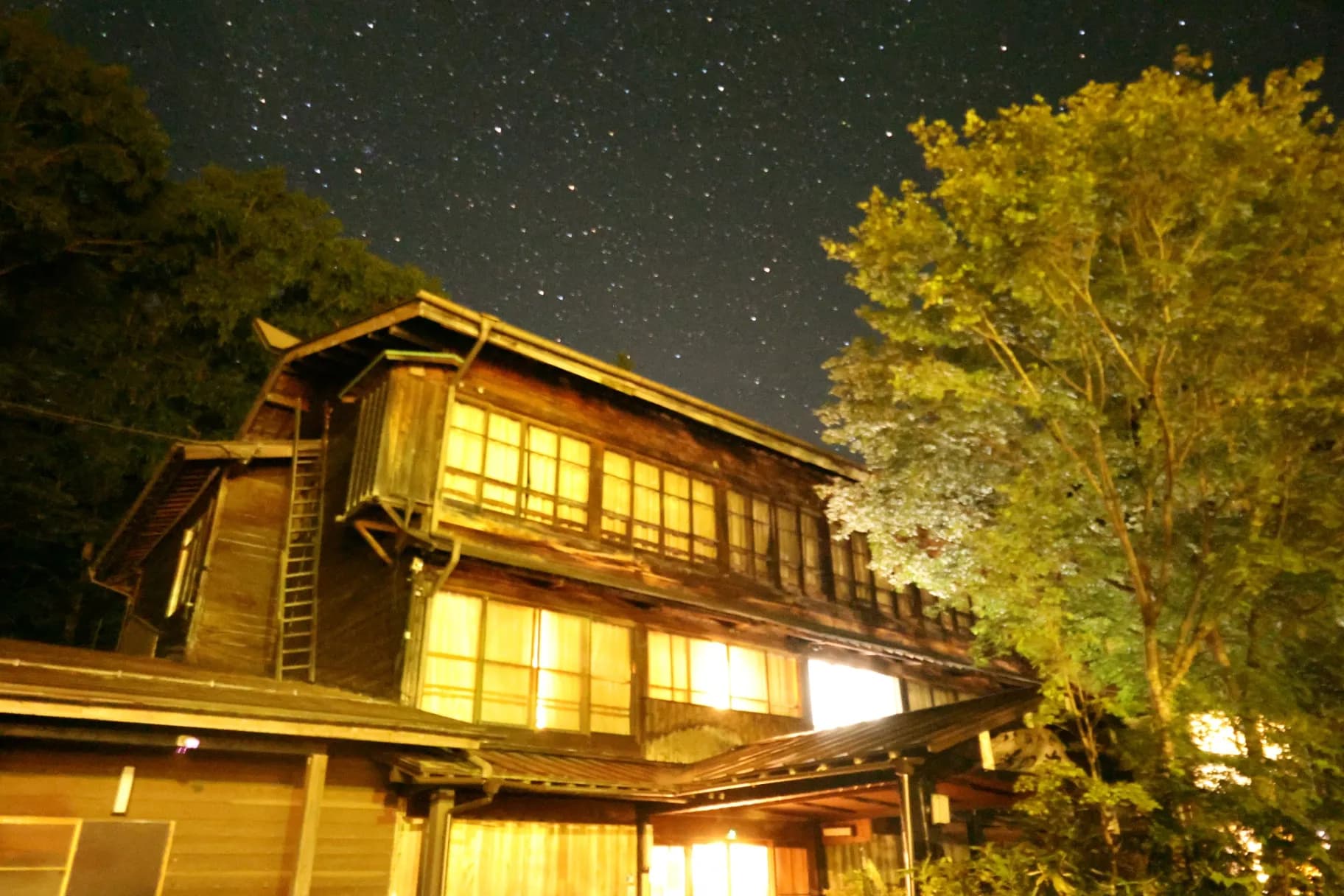
2. Shirahone Onsen Awanoyu (白骨温泉 泡の湯), Matsumoto City
| Mon | Tue | Wed | Thu | Fri | Sat | Sun | Hol | |
|---|---|---|---|---|---|---|---|---|
| 10:30 - 14:00 | 10:30 - 14:00 | 10:30 - 14:00 | 10:30 - 14:00 | 10:30 - 14:00 | 10:30 - 14:00 | 10:30 - 14:00 | 10:30 - 14:00 | 10:30 - 14:00 |
3. Jigokudani Onsen Korakukan (地獄谷温泉 後楽館), Yamanouchi Town
| Mon | Tue | Wed | Thu | Fri | Sat | Sun | Hol | |
|---|---|---|---|---|---|---|---|---|
| 12:00 - 16:00 | 12:00 - 16:00 | 12:00 - 16:00 | 12:00 - 16:00 | 12:00 - 16:00 | 12:00 - 16:00 | 12:00 - 16:00 | 12:00 - 16:00 | 12:00 - 16:00 |
4. Shirahone Onsen Katsurano-yu Maruei Ryokan (白骨温泉 かつらの湯 丸永旅館), Matsumoto City
| Mon | Tue | Wed | Thu | Fri | Sat | Sun | Hol | |
|---|---|---|---|---|---|---|---|---|
| 11:00 - 15:00 | 11:00 - 15:00 | 11:00 - 15:00 | 11:00 - 15:00 | 11:00 - 15:00 | 11:00 - 15:00 | 11:00 - 15:00 | 11:00 - 15:00 | 11:00 - 15:00 |
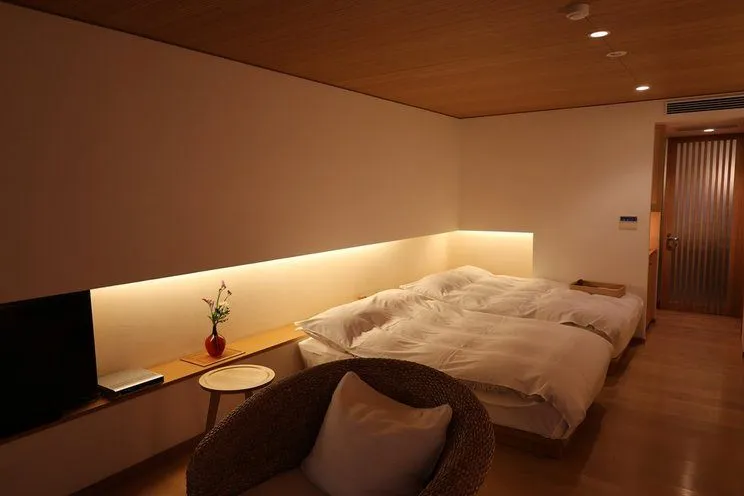
5. Ryokka Sanso Fujiiso (緑霞山宿 藤井荘), Takayama Village
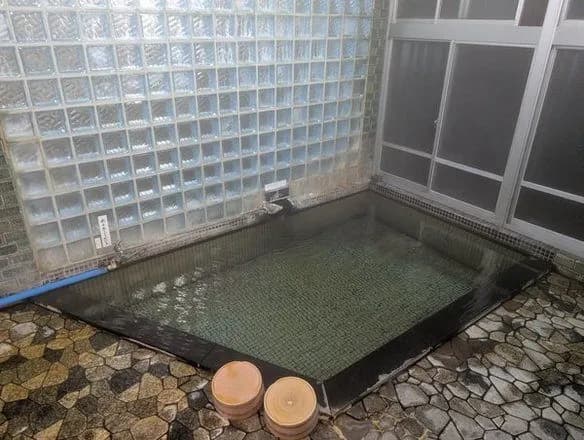
6. Hinanoyado Anrakuso (ひなの宿 安楽荘), Yamanouchi Town
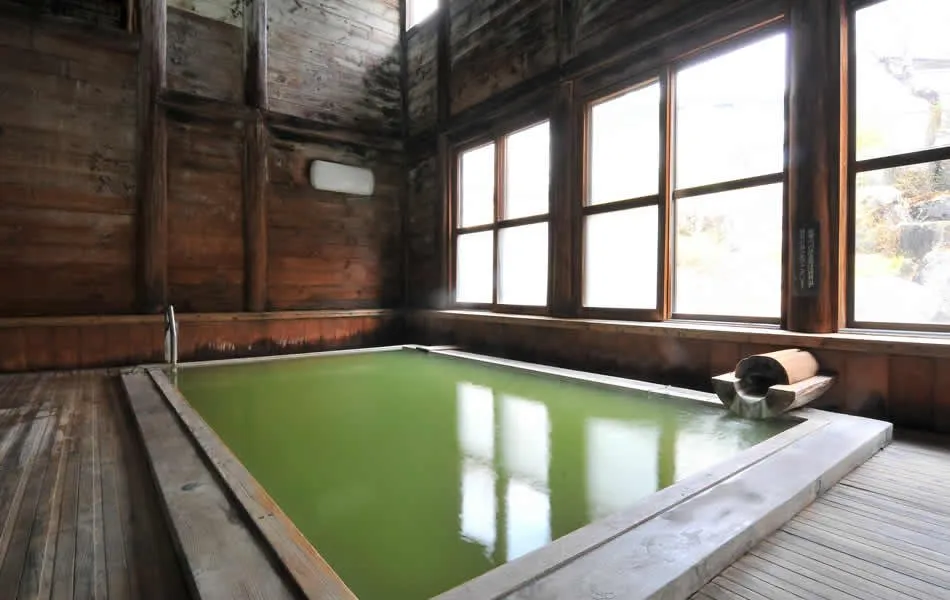
7. Shiga Kogen Kuma-no-Yu (志賀高原 熊の湯), Yamanouchi Town
| Mon | Tue | Wed | Thu | Fri | Sat | Sun | Hol | |
|---|---|---|---|---|---|---|---|---|
| 12:30 - 15:30 | 12:30 - 15:30 | 12:30 - 15:30 | 12:30 - 15:30 | 12:30 - 15:30 | 12:30 - 15:30 | 12:30-15:00 | 12:30-15:00 | 12:30-15:00 |
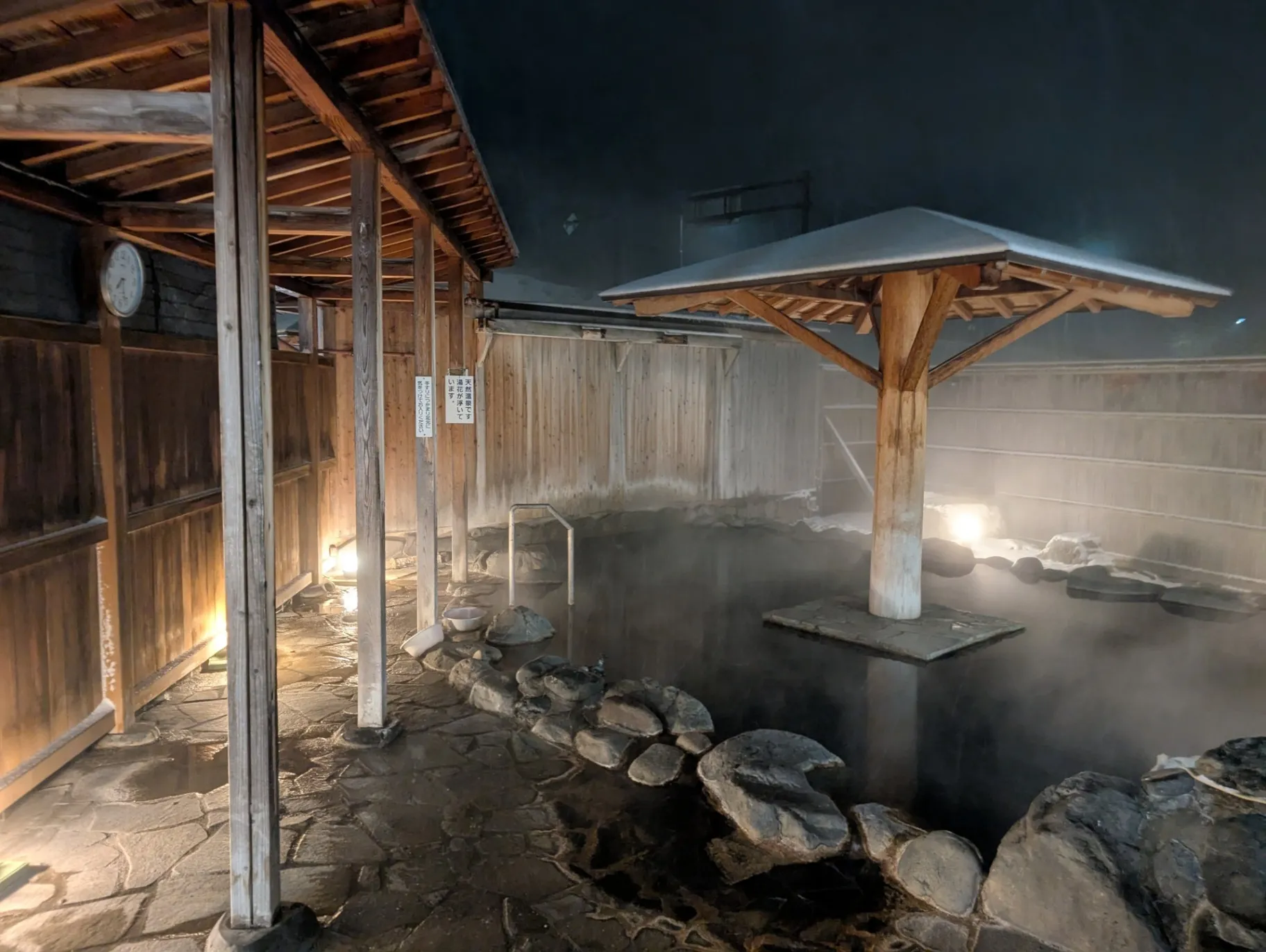
8. Miyama Onsen Wakuwaku-no-Yu (みやま温泉 わくわくの湯), Yamanouchi Town
| Mon | Tue | Wed | Thu | Fri | Sat | Sun | Hol | |
|---|---|---|---|---|---|---|---|---|
| 10:00 - 19:30 | 10:00 - 19:30 | 10:00 - 19:30 | Closed | 10:00 - 19:30 | 10:00 - 19:30 | 10:00 - 19:30 | 10:00 - 19:30 | 10:00 - 19:30 |
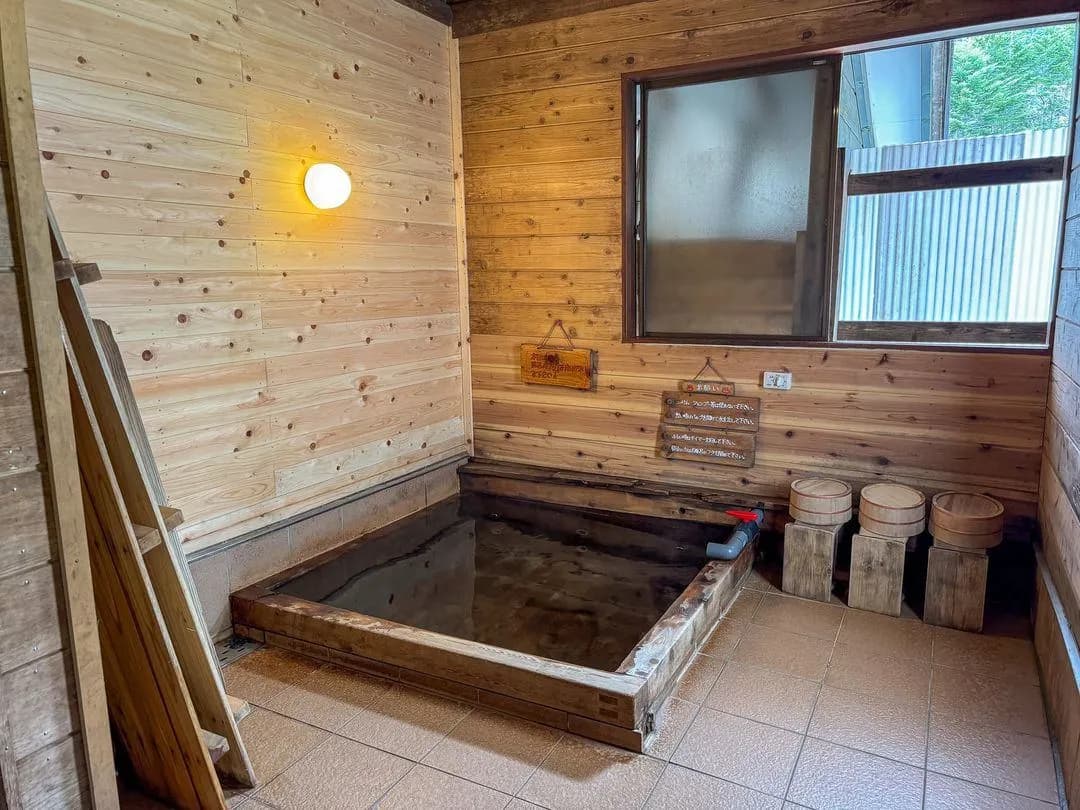
9. Akadake Kosen (赤岳鉱泉), Chino City
| Mon | Tue | Wed | Thu | Fri | Sat | Sun | Hol | |
|---|---|---|---|---|---|---|---|---|
| 10:00 - 15:00 | 10:00 - 15:00 | 10:00 - 15:00 | 10:00 - 15:00 | 10:00 - 15:00 | 10:00 - 15:00 | 10:00 - 15:00 | 10:00 - 15:00 | 10:00 - 15:00 |
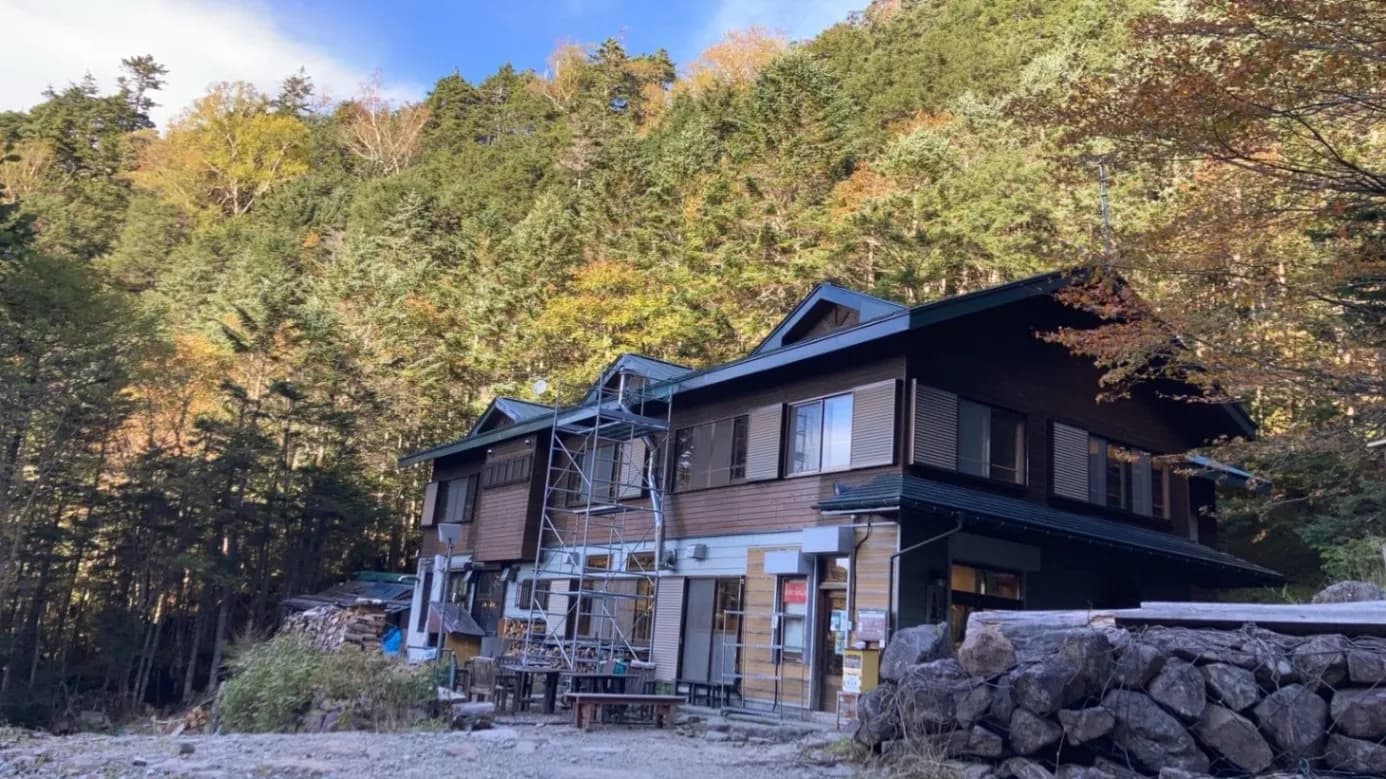
10. Natsuzawa Kosen (夏沢鉱泉), Chino City
| Mon | Tue | Wed | Thu | Fri | Sat | Sun | Hol | |
|---|---|---|---|---|---|---|---|---|
| 10:00 - 16:00 | 10:00 - 16:00 | 10:00 - 16:00 | 10:00 - 16:00 | 10:00 - 16:00 | 10:00 - 16:00 | 10:00 - 16:00 | 10:00 - 16:00 | 10:00 - 16:00 |
11. Matsukawa Valley Onsen Takinoyu Shiawase no Mori (松川渓谷温泉 滝の湯 しあわせの森), Takayama Village
| Mon | Tue | Wed | Thu | Fri | Sat | Sun | Hol | |
|---|---|---|---|---|---|---|---|---|
| 10:00 - 16:00 | Closed | 10:00 - 16:00 | 10:00 - 16:00 | Closed | 10:00 - 16:00 | 10:00 - 16:00 | 10:00 - 16:00 | 10:00 - 16:00 |
12. Bessho Onsen Ishiyu (別所温泉 石湯), Ueda City
| Mon | Tue | Wed | Thu | Fri | Sat | Sun | Hol | |
|---|---|---|---|---|---|---|---|---|
| 06:30 - 21:30 | 06:30 - 21:30 | Closed | 06:30 - 21:30 | 06:30 - 21:30 | 06:30 - 21:30 | 06:30 - 21:30 | 06:30 - 21:30 | 06:30 - 21:30 |
13. Bessho Onsen Oyu (別所温泉 大湯), Ueda City
| Mon | Tue | Wed | Thu | Fri | Sat | Sun | Hol | |
|---|---|---|---|---|---|---|---|---|
| 06:30 - 21:30 | 06:30 - 21:30 | 06:30 - 21:30 | Closed | 06:30 - 21:30 | 06:30 - 21:30 | 06:30 - 21:30 | 06:30 - 21:30 | 06:30 - 21:30 |
14. Bessho Onsen Daishiyu (別所温泉 大師湯), Ueda City
| Mon | Tue | Wed | Thu | Fri | Sat | Sun | Hol | |
|---|---|---|---|---|---|---|---|---|
| 06:00 - 21:00 | 06:00 - 21:00 | 06:00 - 21:00 | 06:00 - 21:00 | Closed | 06:00 - 21:00 | 06:00 - 21:00 | 06:00 - 21:00 | 06:00 - 21:00 |
15. Shimosuwa Onsen Tanga-no-Yu (下諏訪温泉 旦過の湯), Shimosuwa Town
| Mon | Tue | Wed | Thu | Fri | Sat | Sun | Hol | |
|---|---|---|---|---|---|---|---|---|
| 05:30 - 22:00 | 05:30 - 22:00 | 05:30 - 22:00 | 05:30 - 22:00 | 05:30 - 22:00 | 05:30 - 22:00 | 05:30 - 22:00 | 05:30 - 22:00 | 05:30 - 22:00 |
16. Shimosuwa Onsen Shinyu (下諏訪温泉 新湯), Shimosuwa Town
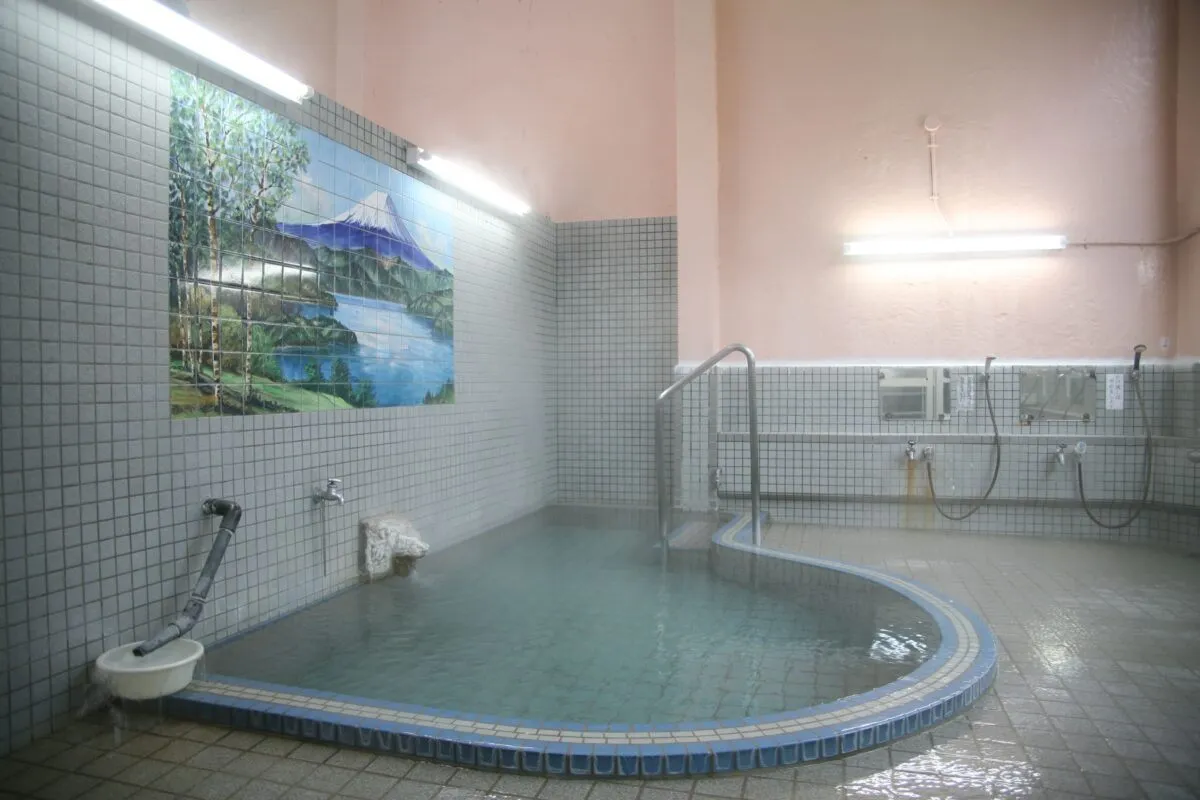
| Mon | Tue | Wed | Thu | Fri | Sat | Sun | Hol | |
|---|---|---|---|---|---|---|---|---|
| 05:30 - 22:00 | 05:30 - 22:00 | 05:30 - 22:00 | 05:30 - 22:00 | 05:30 - 22:00 | 05:30 - 22:00 | 05:30 - 22:00 | 05:30 - 22:00 | 05:30 - 22:00 |
17. Yamada Onsen Oyu (山田温泉 大湯), Takayama Village
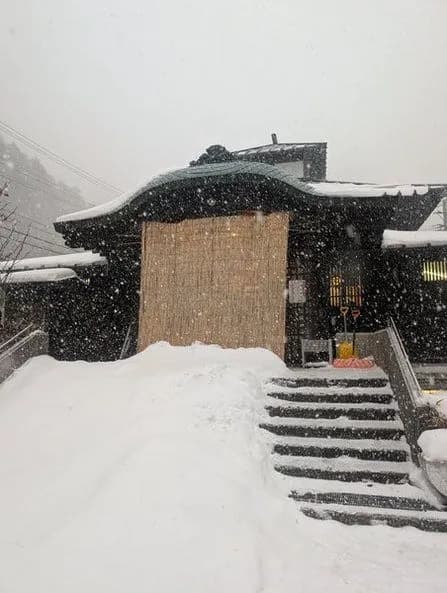
| Mon | Tue | Wed | Thu | Fri | Sat | Sun | Hol | |
|---|---|---|---|---|---|---|---|---|
| 06:00 - 21:00 | 06:00 - 21:00 | 06:00 - 21:00 | 06:00 - 21:00 | 06:00 - 21:00 | 06:00 - 21:00 | 06:00 - 21:00 | 06:00 - 21:00 | 06:00 - 21:00 |
18. Tazawa Onsen Uchinyu (田沢温泉 有乳湯), Aoki Village
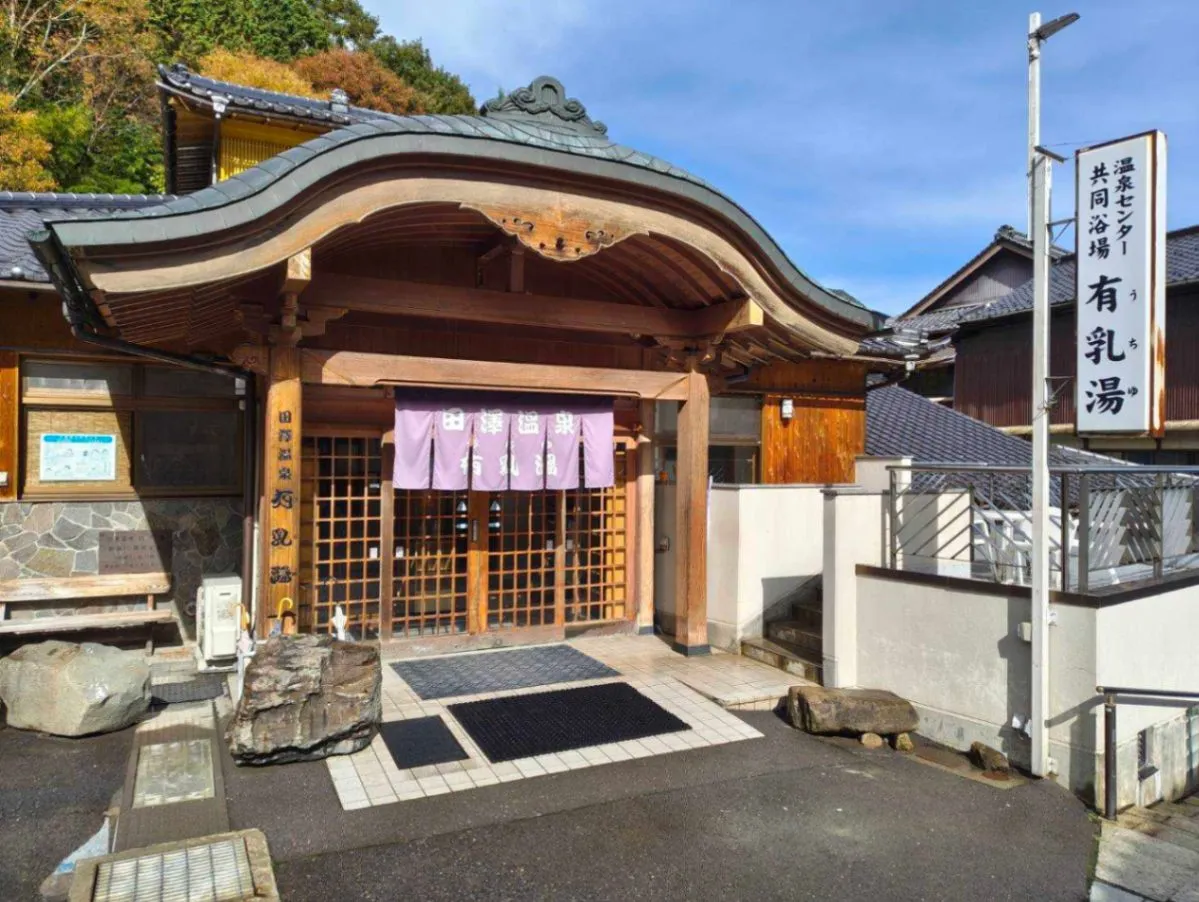
| Mon | Tue | Wed | Thu | Fri | Sat | Sun | Hol | |
|---|---|---|---|---|---|---|---|---|
| 06:00 - 21:30 | 06:00 - 21:30 | 06:00 - 21:30 | 06:00 - 21:30 | 06:00 - 21:30 | 06:00 - 21:30 | 06:00 - 21:30 | 06:00 - 21:30 | 06:00 - 21:30 |
19. Kutsukake Onsen Ogura-no-Yu (沓掛温泉 小倉乃湯), Aoki Village
| Mon | Tue | Wed | Thu | Fri | Sat | Sun | Hol | |
|---|---|---|---|---|---|---|---|---|
| 09:00 - 21:00 | 09:00 - 21:00 | Closed | 09:00 - 21:00 | 09:00 - 21:00 | 09:00 - 21:00 | 09:00 - 21:00 | 09:00 - 21:00 | 09:00 - 21:00 |
20. Kakeyu Onsen Center Monju-no-Yu (鹿教湯温泉センター 文殊の湯), Ueda City
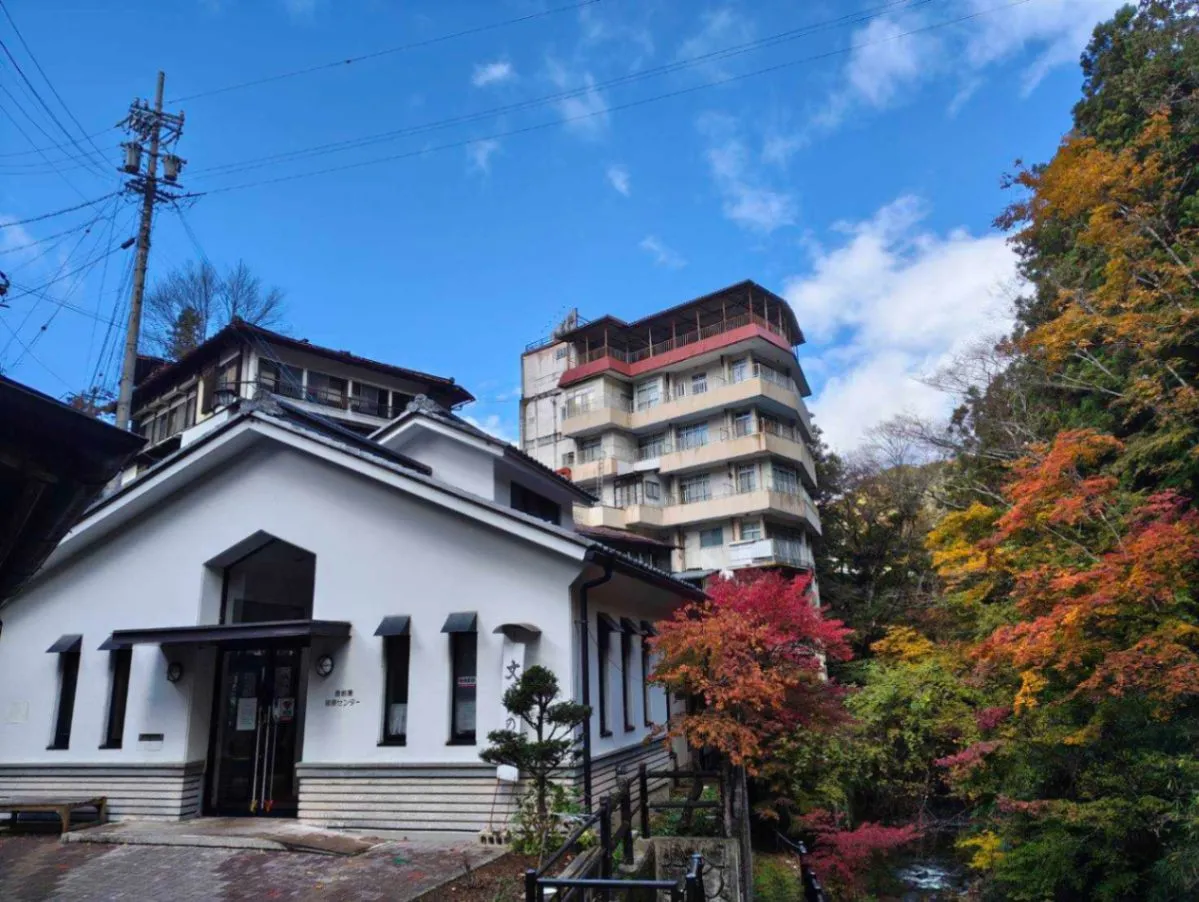
| Mon | Tue | Wed | Thu | Fri | Sat | Sun | Hol | |
|---|---|---|---|---|---|---|---|---|
| 09:00 - 21:00 | 09:00 - 21:00 | 09:00 - 21:00 | 09:00 - 21:00 | 09:00 - 21:00 | 09:00 - 21:00 | 09:00 - 21:00 | 09:00 - 21:00 | 09:00 - 21:00 |
The Full Bathhouse Lists — 26 Baths in Four Towns
Separate from the 20 above, here is every bathhouse we have documented in the four towns that still run a full circuit. Water type, pH and opening hours differ from bath to bath, so check each page before you go.
Nozawa Onsen: 13 bathhouses (Nozawa Onsen Village)
- Oyu
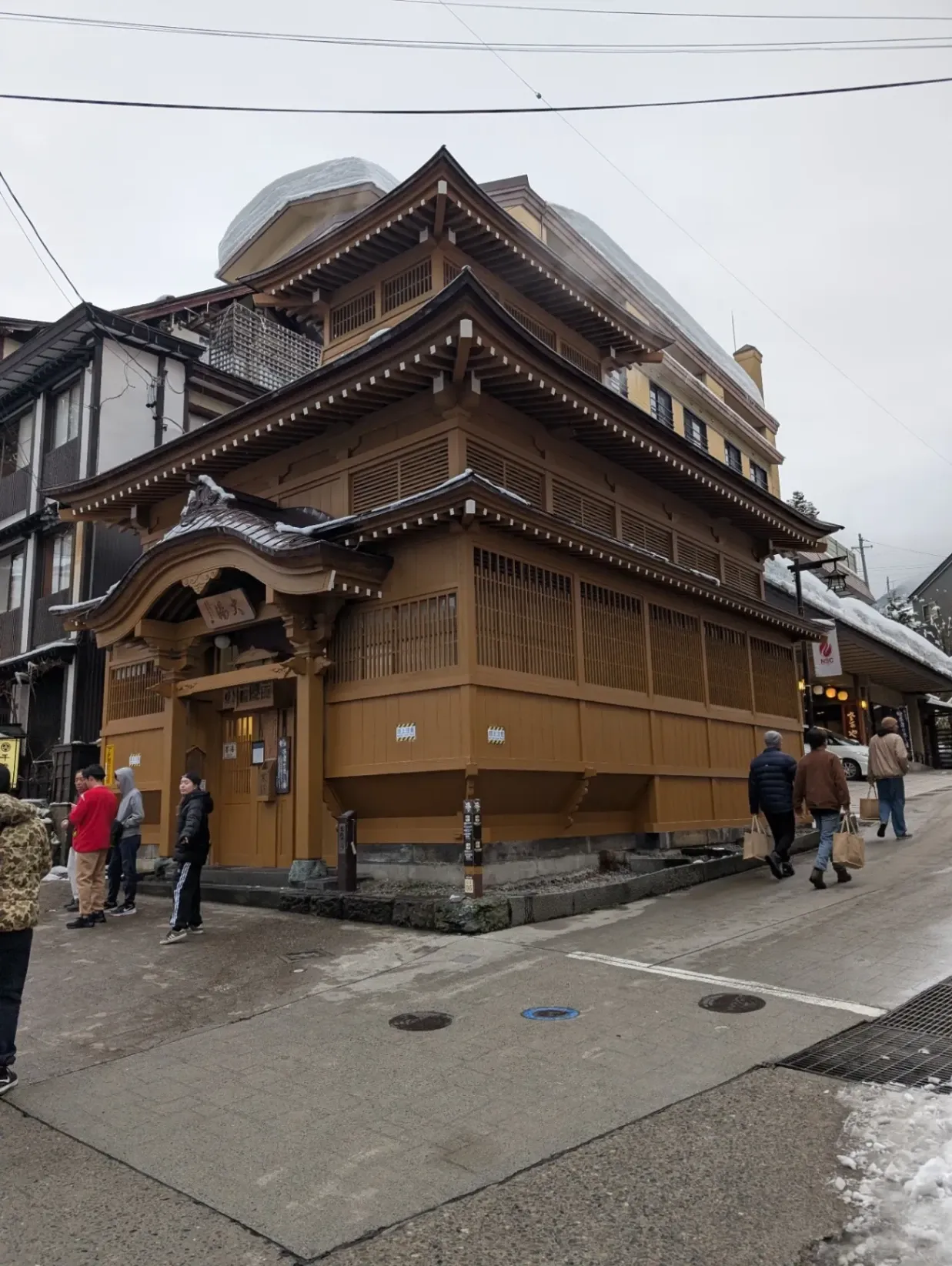
| Mon | Tue | Wed | Thu | Fri | Sat | Sun | Hol | |
|---|---|---|---|---|---|---|---|---|
| 05:00 - 23:00 | 05:00 - 23:00 | 05:00 - 23:00 | 05:00 - 23:00 | 05:00 - 23:00 | 05:00 - 23:00 | 05:00 - 23:00 | 05:00 - 23:00 | 05:00 - 23:00 |
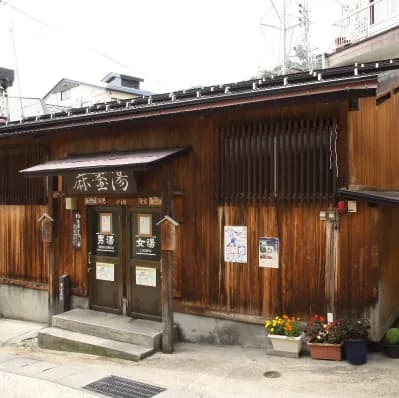
| Mon | Tue | Wed | Thu | Fri | Sat | Sun | Hol | |
|---|---|---|---|---|---|---|---|---|
| 05:00 - 23:00 | 05:00 - 23:00 | 05:00 - 23:00 | 05:00 - 23:00 | 05:00 - 23:00 | 05:00 - 23:00 | 05:00 - 23:00 | 05:00 - 23:00 | 05:00 - 23:00 |
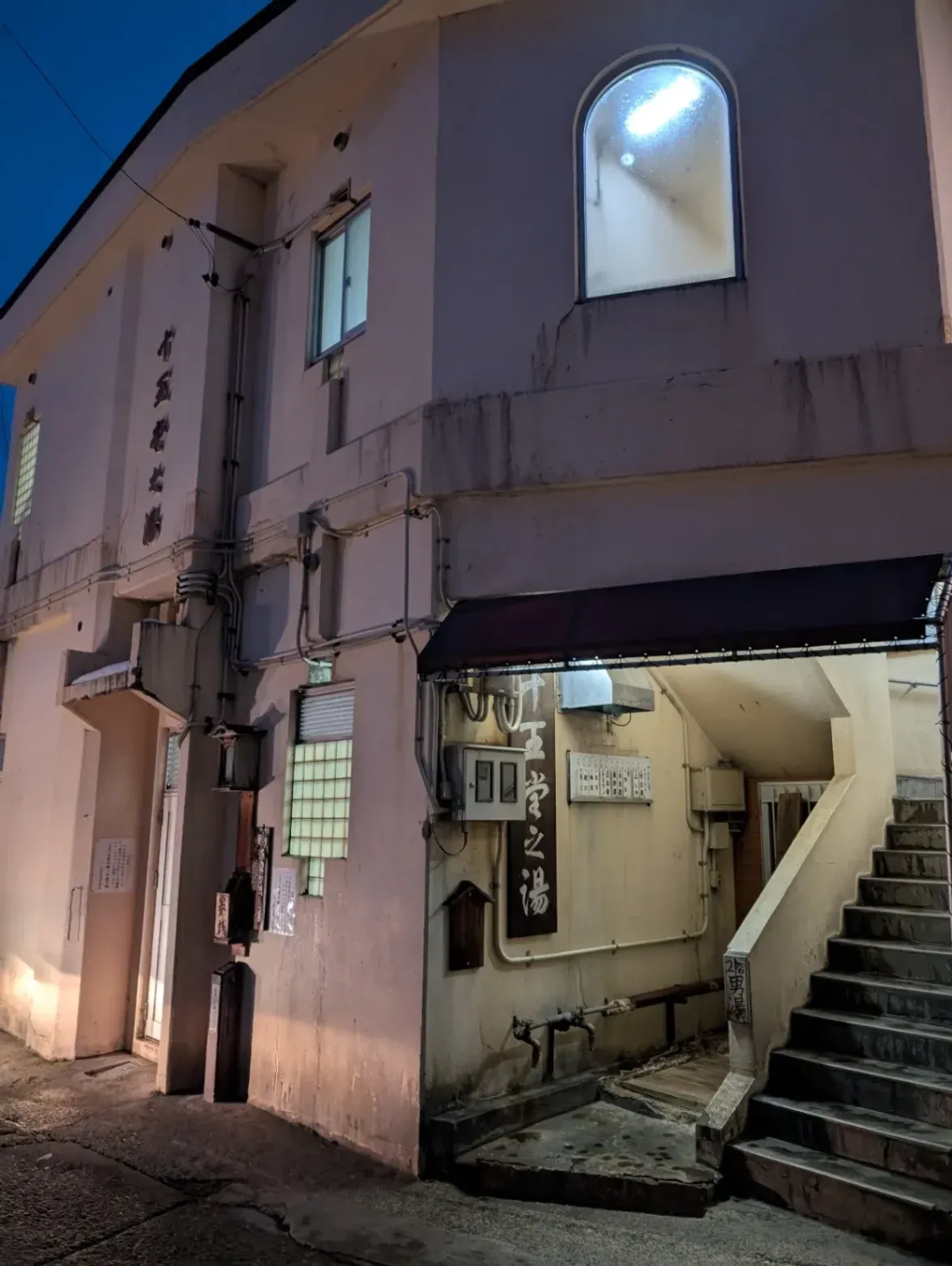
| Mon | Tue | Wed | Thu | Fri | Sat | Sun | Hol | |
|---|---|---|---|---|---|---|---|---|
| 06:00 - 22:00 | 06:00 - 22:00 | 06:00 - 22:00 | 06:00 - 22:00 | 06:00 - 22:00 | 06:00 - 22:00 | 06:00 - 22:00 | 06:00 - 22:00 | 06:00 - 22:00 |
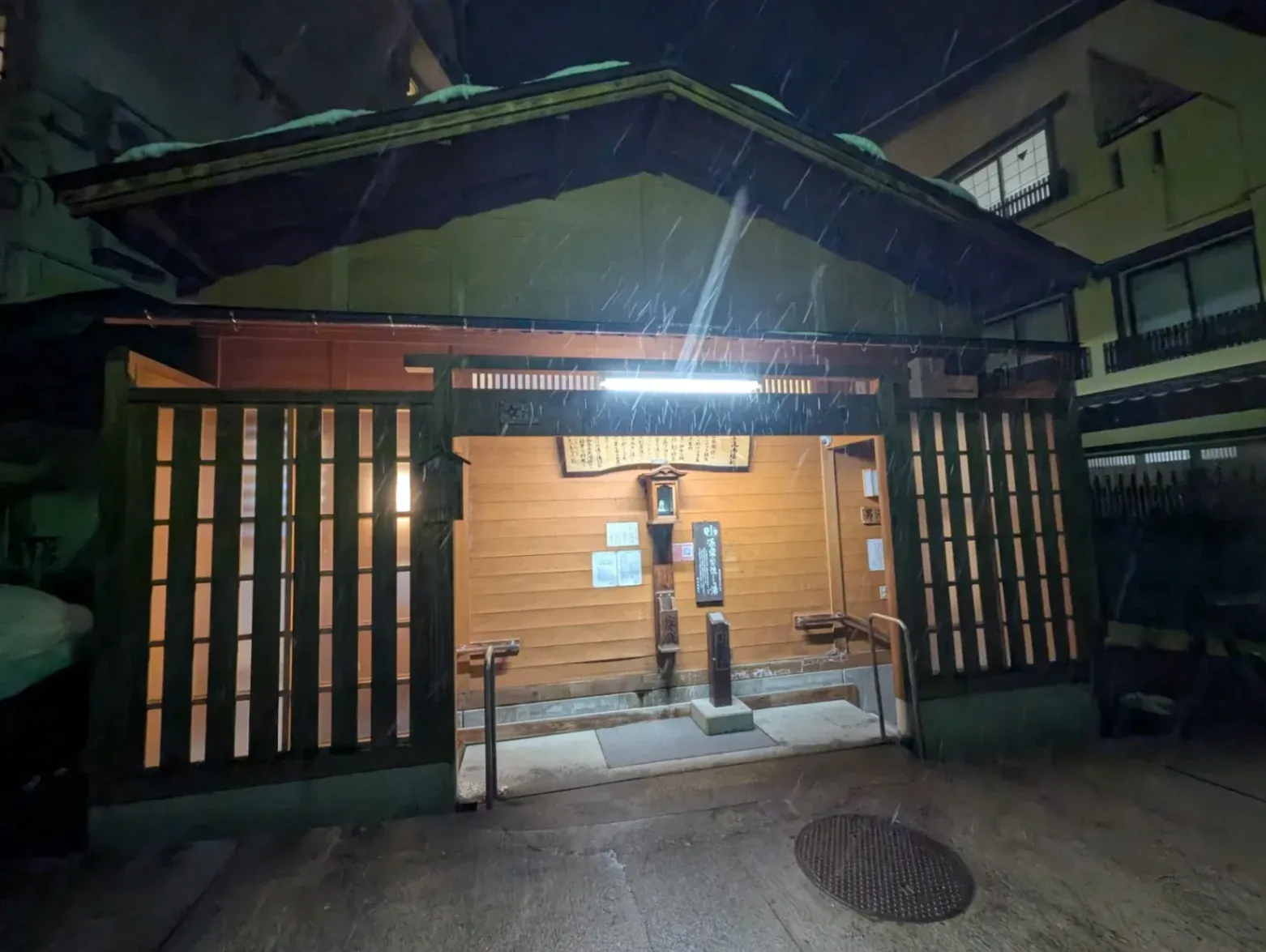
| Mon | Tue | Wed | Thu | Fri | Sat | Sun | Hol | |
|---|---|---|---|---|---|---|---|---|
| 05:00 - 23:00 | 05:00 - 23:00 | 05:00 - 23:00 | 05:00 - 23:00 | 05:00 - 23:00 | 05:00 - 23:00 | 05:00 - 23:00 | 05:00 - 23:00 | 05:00 - 23:00 |
| Mon | Tue | Wed | Thu | Fri | Sat | Sun | Hol | |
|---|---|---|---|---|---|---|---|---|
| 05:00 - 23:00 | 05:00 - 23:00 | 05:00 - 23:00 | 05:00 - 23:00 | 05:00 - 23:00 | 05:00 - 23:00 | 05:00 - 23:00 | 05:00 - 23:00 | 05:00 - 23:00 |
| Mon | Tue | Wed | Thu | Fri | Sat | Sun | Hol | |
|---|---|---|---|---|---|---|---|---|
| 05:00 - 23:00 | 05:00 - 23:00 | 05:00 - 23:00 | 05:00 - 23:00 | 05:00 - 23:00 | 05:00 - 23:00 | 05:00 - 23:00 | 05:00 - 23:00 | 05:00 - 23:00 |
| Mon | Tue | Wed | Thu | Fri | Sat | Sun | Hol | |
|---|---|---|---|---|---|---|---|---|
| 05:00 - 23:00 | 05:00 - 23:00 | 05:00 - 23:00 | 05:00 - 23:00 | 05:00 - 23:00 | 05:00 - 23:00 | 05:00 - 23:00 | 05:00 - 23:00 | 05:00 - 23:00 |
| Mon | Tue | Wed | Thu | Fri | Sat | Sun | Hol | |
|---|---|---|---|---|---|---|---|---|
| 05:00 - 23:00 | 05:00 - 23:00 | 05:00 - 23:00 | 05:00 - 23:00 | 05:00 - 23:00 | 05:00 - 23:00 | 05:00 - 23:00 | 05:00 - 23:00 | 05:00 - 23:00 |
| Mon | Tue | Wed | Thu | Fri | Sat | Sun | Hol | |
|---|---|---|---|---|---|---|---|---|
| 06:00 - 23:00 | 06:00 - 23:00 | 06:00 - 23:00 | 06:00 - 23:00 | 06:00 - 23:00 | 06:00 - 23:00 | 06:00 - 23:00 | 06:00 - 23:00 | 06:00 - 23:00 |
| Mon | Tue | Wed | Thu | Fri | Sat | Sun | Hol | |
|---|---|---|---|---|---|---|---|---|
| 05:00 - 23:00 | 05:00 - 23:00 | 05:00 - 23:00 | 05:00 - 23:00 | 05:00 - 23:00 | 05:00 - 23:00 | 05:00 - 23:00 | 05:00 - 23:00 | 05:00 - 23:00 |
| Mon | Tue | Wed | Thu | Fri | Sat | Sun | Hol | |
|---|---|---|---|---|---|---|---|---|
| 05:00 - 21:00 | 05:00 - 21:00 | 05:00 - 21:00 | 05:00 - 21:00 | 05:00 - 21:00 | 05:00 - 21:00 | 05:00 - 21:00 | 05:00 - 21:00 | 05:00 - 21:00 |
| Mon | Tue | Wed | Thu | Fri | Sat | Sun | Hol | |
|---|---|---|---|---|---|---|---|---|
| 06:00 - 22:00 | 06:00 - 22:00 | 06:00 - 22:00 | 06:00 - 22:00 | 06:00 - 22:00 | 06:00 - 22:00 | 06:00 - 22:00 | 06:00 - 22:00 | 06:00 - 22:00 |
| Mon | Tue | Wed | Thu | Fri | Sat | Sun | Hol | |
|---|---|---|---|---|---|---|---|---|
| 05:00 - 23:00 | 05:00 - 23:00 | 05:00 - 23:00 | 05:00 - 23:00 | 05:00 - 23:00 | 05:00 - 23:00 | 05:00 - 23:00 | 05:00 - 23:00 | 05:00 - 23:00 |
Shibu Onsen: 9 bathhouses (Yamanouchi Town)
- Hatsuyu
| Mon | Tue | Wed | Thu | Fri | Sat | Sun | Hol | |
|---|---|---|---|---|---|---|---|---|
| 06:00 - 22:00 | 06:00 - 22:00 | 06:00 - 22:00 | 06:00 - 22:00 | 06:00 - 22:00 | 06:00 - 22:00 | 06:00 - 22:00 | 06:00 - 22:00 | 06:00 - 22:00 |
| Mon | Tue | Wed | Thu | Fri | Sat | Sun | Hol | |
|---|---|---|---|---|---|---|---|---|
| 06:00 - 22:00 | 06:00 - 22:00 | 06:00 - 22:00 | 06:00 - 22:00 | 06:00 - 22:00 | 06:00 - 22:00 | 06:00 - 22:00 | 06:00 - 22:00 | 06:00 - 22:00 |
| Mon | Tue | Wed | Thu | Fri | Sat | Sun | Hol | |
|---|---|---|---|---|---|---|---|---|
| 06:00 - 22:00 | 06:00 - 22:00 | 06:00 - 22:00 | 06:00 - 22:00 | 06:00 - 22:00 | 06:00 - 22:00 | 06:00 - 22:00 | 06:00 - 22:00 | 06:00 - 22:00 |
| Mon | Tue | Wed | Thu | Fri | Sat | Sun | Hol | |
|---|---|---|---|---|---|---|---|---|
| 06:00 - 22:00 | 06:00 - 22:00 | 06:00 - 22:00 | 06:00 - 22:00 | 06:00 - 22:00 | 06:00 - 22:00 | 06:00 - 22:00 | 06:00 - 22:00 | 06:00 - 22:00 |
| Mon | Tue | Wed | Thu | Fri | Sat | Sun | Hol | |
|---|---|---|---|---|---|---|---|---|
| 06:00 - 22:00 | 06:00 - 22:00 | 06:00 - 22:00 | 06:00 - 22:00 | 06:00 - 22:00 | 06:00 - 22:00 | 06:00 - 22:00 | 06:00 - 22:00 | 06:00 - 22:00 |
| Mon | Tue | Wed | Thu | Fri | Sat | Sun | Hol | |
|---|---|---|---|---|---|---|---|---|
| 06:00 - 22:00 | 06:00 - 22:00 | 06:00 - 22:00 | 06:00 - 22:00 | 06:00 - 22:00 | 06:00 - 22:00 | 06:00 - 22:00 | 06:00 - 22:00 | 06:00 - 22:00 |
| Mon | Tue | Wed | Thu | Fri | Sat | Sun | Hol | |
|---|---|---|---|---|---|---|---|---|
| 06:00 - 22:00 | 06:00 - 22:00 | 06:00 - 22:00 | 06:00 - 22:00 | 06:00 - 22:00 | 06:00 - 22:00 | 06:00 - 22:00 | 06:00 - 22:00 | 06:00 - 22:00 |
| Mon | Tue | Wed | Thu | Fri | Sat | Sun | Hol | |
|---|---|---|---|---|---|---|---|---|
| 06:00 - 22:00 | 06:00 - 22:00 | 06:00 - 22:00 | 06:00 - 22:00 | 06:00 - 22:00 | 06:00 - 22:00 | 06:00 - 22:00 | 06:00 - 22:00 | 06:00 - 22:00 |
| Mon | Tue | Wed | Thu | Fri | Sat | Sun | Hol | |
|---|---|---|---|---|---|---|---|---|
| 06:00 - 22:00 | 06:00 - 22:00 | 06:00 - 22:00 | 06:00 - 22:00 | 06:00 - 22:00 | 06:00 - 22:00 | 06:00 - 22:00 | 06:00 - 22:00 | 06:00 - 22:00 |
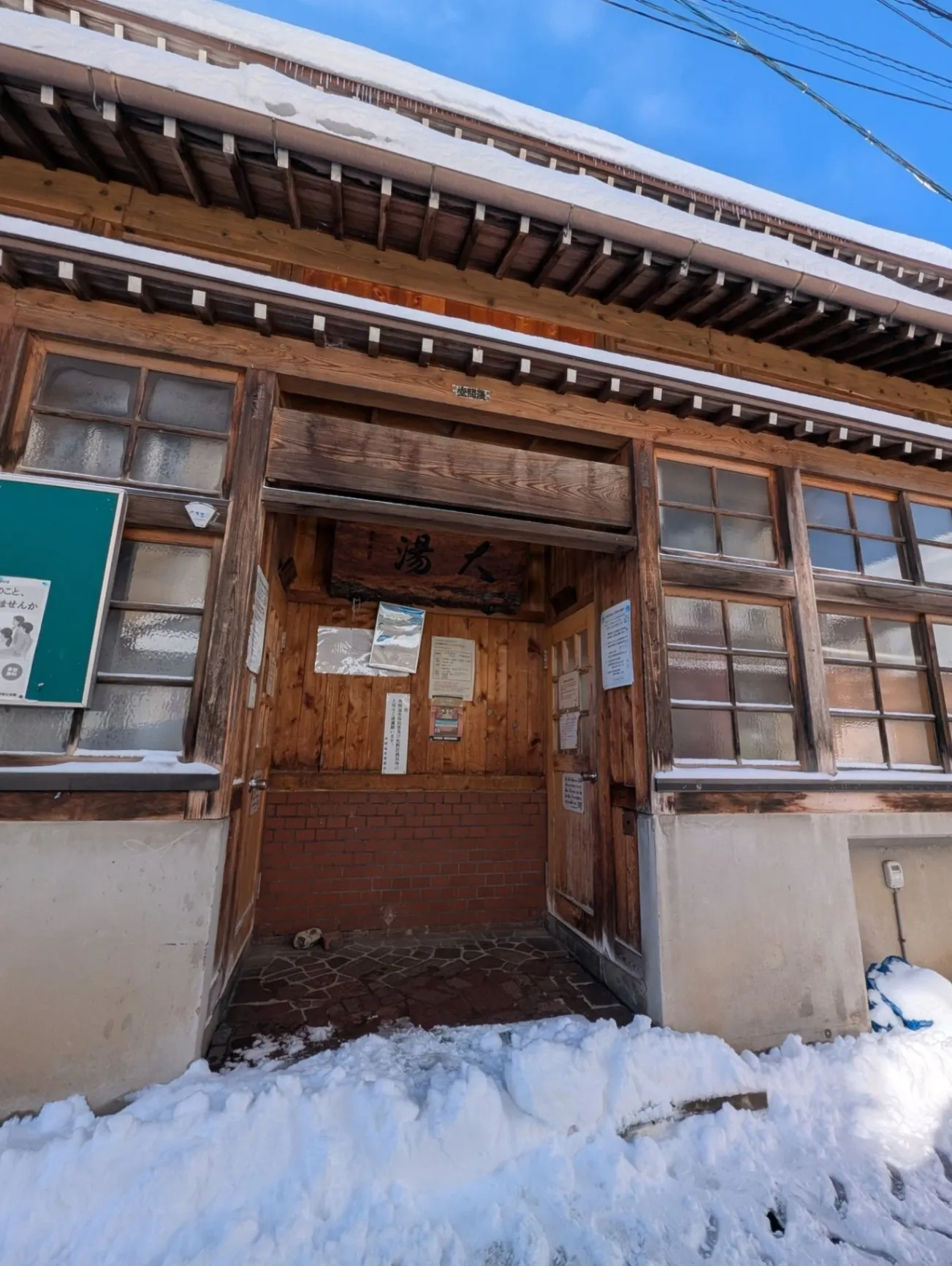
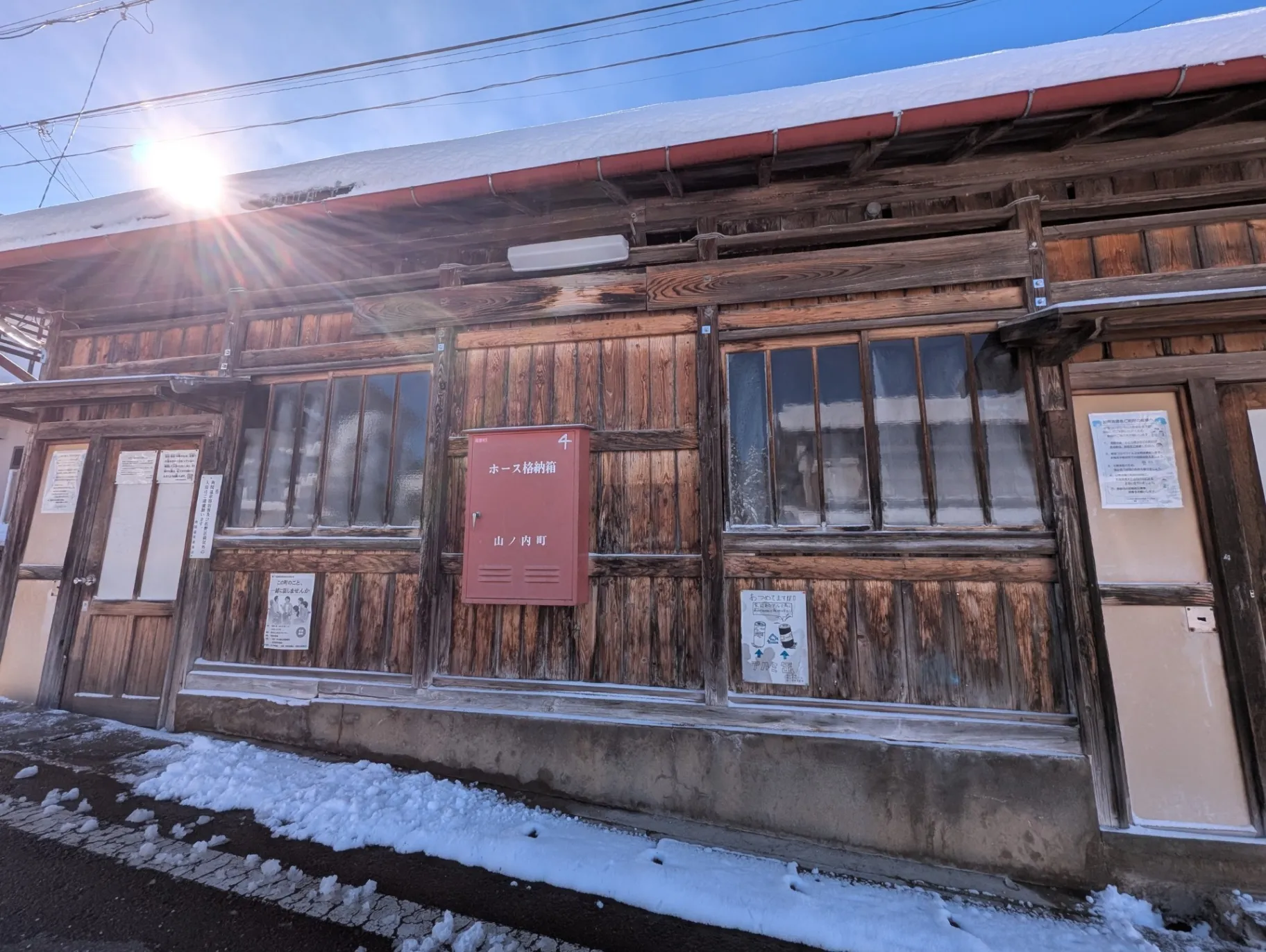
Kakuma Onsen: 2 bathhouses (Yamanouchi Town)
- Oyu
| Mon | Tue | Wed | Thu | Fri | Sat | Sun | Hol | |
|---|---|---|---|---|---|---|---|---|
| 07:00 - 21:00 | 07:00 - 21:00 | 07:00 - 21:00 | 07:00 - 21:00 | 07:00 - 21:00 | 07:00 - 21:00 | 07:00 - 21:00 | 07:00 - 21:00 | 07:00 - 21:00 |
| Mon | Tue | Wed | Thu | Fri | Sat | Sun | Hol | |
|---|---|---|---|---|---|---|---|---|
| 10:00 - 21:00 | 10:00 - 21:00 | 10:00 - 21:00 | 10:00 - 21:00 | 10:00 - 21:00 | 10:00 - 21:00 | 10:00 - 21:00 | 10:00 - 21:00 | 10:00 - 21:00 |
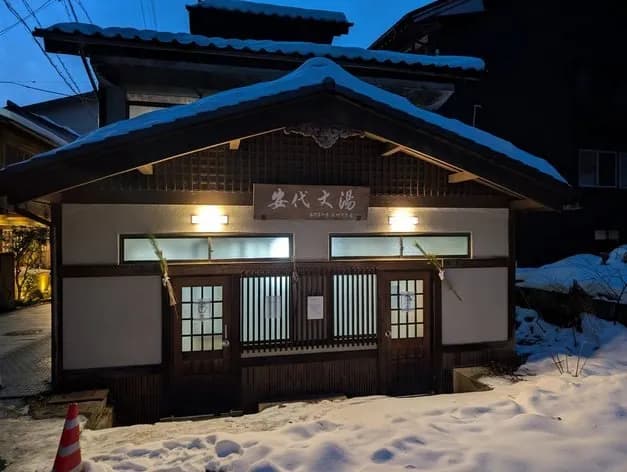
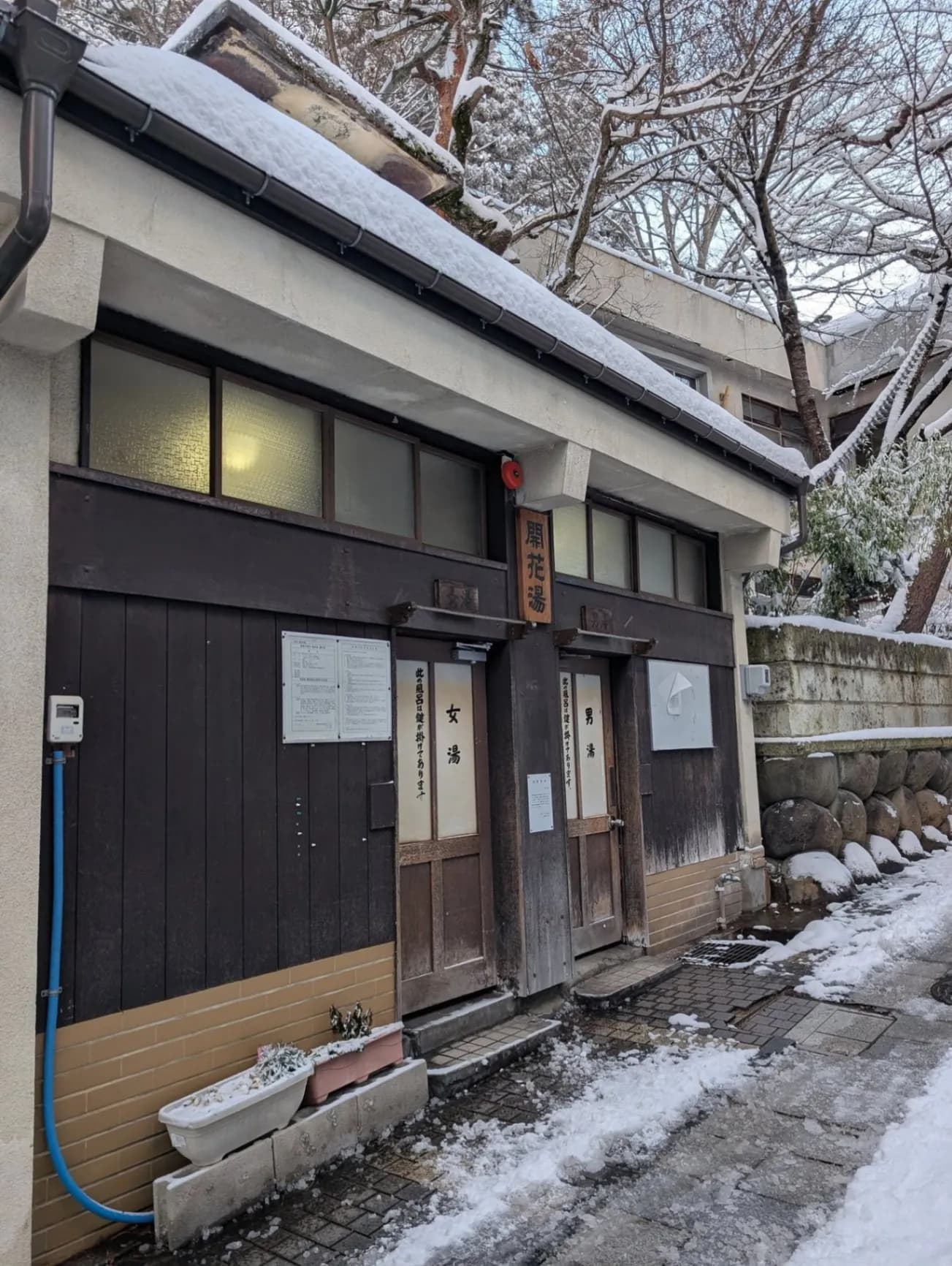
Andai Onsen: 2 bathhouses (Yamanouchi Town)
- Andai Oyu
| Mon | Tue | Wed | Thu | Fri | Sat | Sun | Hol | |
|---|---|---|---|---|---|---|---|---|
| 00:00 - 24:00 | 00:00 - 24:00 | 00:00 - 24:00 | 00:00 - 24:00 | 00:00 - 24:00 | 00:00 - 24:00 | 00:00 - 24:00 | 00:00 - 24:00 | 00:00 - 24:00 |
| Mon | Tue | Wed | Thu | Fri | Sat | Sun | Hol | |
|---|---|---|---|---|---|---|---|---|
| 09:00 - 22:00 | 09:00 - 22:00 | 09:00 - 22:00 | 09:00 - 22:00 | 09:00 - 22:00 | 09:00 - 22:00 | 09:00 - 22:00 | 09:00 - 22:00 | 09:00 - 22:00 |
13 More Day Baths by Area
These did not make the numbered list but fit easily into an itinerary.
Matsumoto and Norikura
- Shirahone Public Open-Air Bath
| Mon | Tue | Wed | Thu | Fri | Sat | Sun | Hol | |
|---|---|---|---|---|---|---|---|---|
| 10:00 - 16:00 | 10:00 - 16:00 | 10:00 - 16:00 | 10:00 - 16:00 | 10:00 - 16:00 | 10:00 - 16:00 | 09:00-17:00 | 09:00-17:00 | 09:00-17:00 |
| Mon | Tue | Wed | Thu | Fri | Sat | Sun | Hol | |
|---|---|---|---|---|---|---|---|---|
| 09:00 - 17:00 | 09:00 - 17:00 | 09:00 - 17:00 | 09:00 - 17:00 | 09:00 - 17:00 | 09:00 - 17:00 | 09:00 - 17:00 | 09:00 - 17:00 | 09:00 - 17:00 |
| Mon | Tue | Wed | Thu | Fri | Sat | Sun | Hol | |
|---|---|---|---|---|---|---|---|---|
| 09:00 - 21:00 | Closed | 09:00 - 21:00 | 09:00 - 21:00 | 09:00 - 21:00 | 09:00 - 21:00 | 09:00 - 21:00 | 09:00 - 21:00 | 09:00 - 21:00 |
Yamanouchi and Yudanaka
- Yudanaka Oyu
| Mon | Tue | Wed | Thu | Fri | Sat | Sun | Hol | |
|---|---|---|---|---|---|---|---|---|
| 10:00 - 21:00 | 10:00 - 21:00 | 10:00 - 21:00 | 10:00 - 21:00 | 10:00 - 21:00 | 10:00 - 21:00 | 10:00 - 21:00 | 10:00 - 21:00 | 10:00 - 21:00 |
| Mon | Tue | Wed | Thu | Fri | Sat | Sun | Hol | |
|---|---|---|---|---|---|---|---|---|
| 10:00 - 21:00 | 10:00 - 21:00 | 10:00 - 21:00 | 10:00 - 21:00 | 10:00 - 21:00 | 10:00 - 21:00 | 10:00 - 21:00 | 10:00 - 21:00 | 10:00 - 21:00 |
Takayama Village
- Warabi Onsen Fureai-no-Yu
| Mon | Tue | Wed | Thu | Fri | Sat | Sun | Hol | |
|---|---|---|---|---|---|---|---|---|
| 06:30 - 21:00 | 06:30 - 21:00 | 06:30 - 21:00 | 06:30 - 21:00 | 06:30 - 21:00 | 06:30 - 21:00 | 06:30 - 21:00 | 06:30 - 21:00 | 06:30 - 21:00 |
| Mon | Tue | Wed | Thu | Fri | Sat | Sun | Hol | |
|---|---|---|---|---|---|---|---|---|
| 10:00 - 20:00 | 10:00 - 20:00 | Closed | 10:00 - 20:00 | 10:00 - 20:00 | 10:00 - 20:00 | 10:00 - 20:00 | 10:00 - 20:00 | 10:00 - 20:00 |
Akiyamago, northern Nagano
- Koakazawa Onsen Rakuyokan
| Mon | Tue | Wed | Thu | Fri | Sat | Sun | Hol | |
|---|---|---|---|---|---|---|---|---|
| 10:00 - 18:30 | 10:00 - 18:30 | 10:00 - 18:30 | 10:00 - 18:30 | 10:00 - 18:30 | 10:00 - 18:30 | 10:00 - 18:30 | 10:00 - 18:30 | 10:00 - 18:30 |
Otari and Kita-Azumi
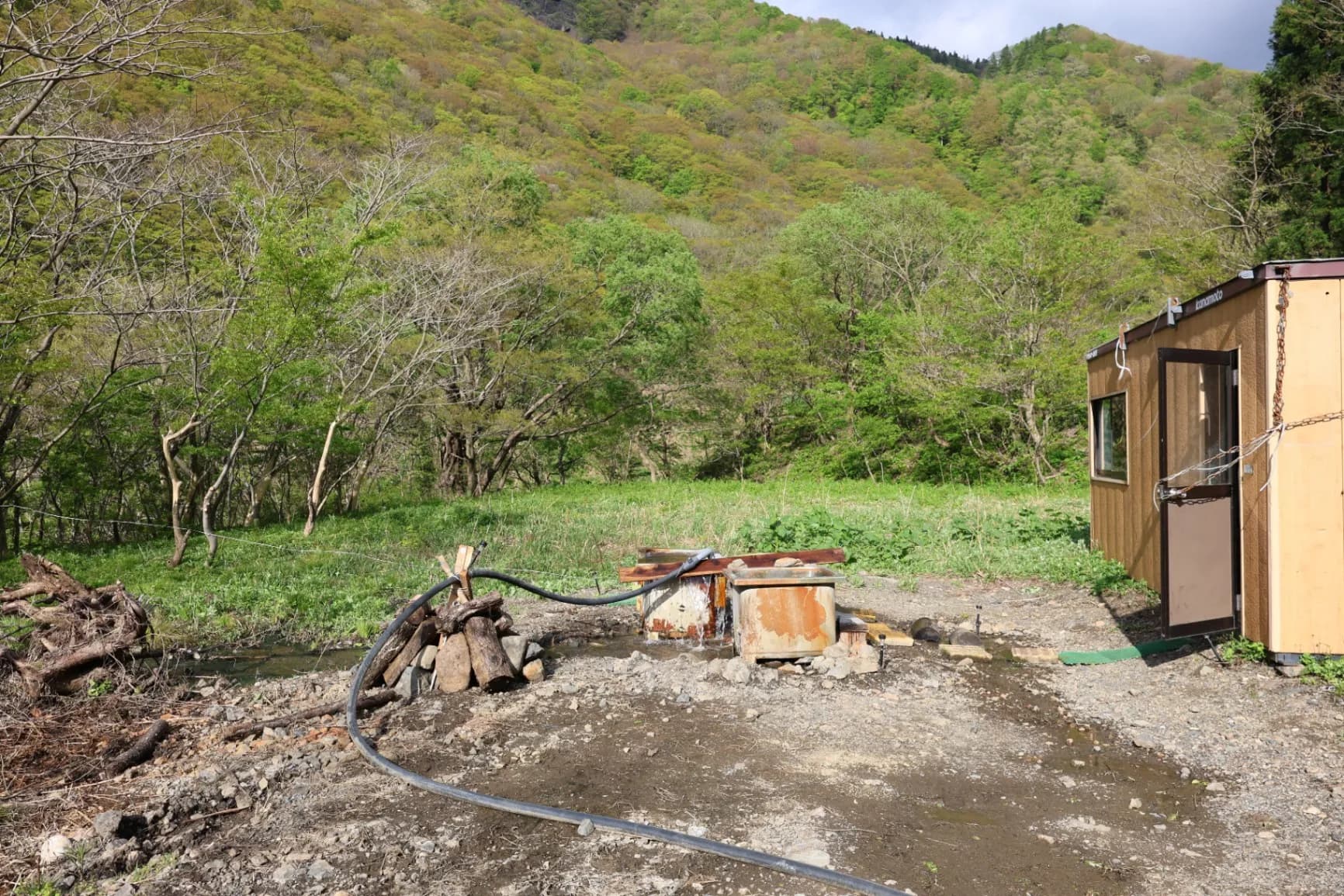
- Yuhara Onsen Nekohana-no-Yu
| Mon | Tue | Wed | Thu | Fri | Sat | Sun | Hol | |
|---|---|---|---|---|---|---|---|---|
| 00:00 - 24:00 | 00:00 - 24:00 | 00:00 - 24:00 | 00:00 - 24:00 | 00:00 - 24:00 | 00:00 - 24:00 | 00:00 - 24:00 | 00:00 - 24:00 | 00:00 - 24:00 |
| Mon | Tue | Wed | Thu | Fri | Sat | Sun | Hol | |
|---|---|---|---|---|---|---|---|---|
| 00:00 - 24:00 | 00:00 - 24:00 | 00:00 - 24:00 | 00:00 - 24:00 | 00:00 - 24:00 | 00:00 - 24:00 | 00:00 - 24:00 | 00:00 - 24:00 | 00:00 - 24:00 |
Ueda and Maruko
- Reisenji Onsen
| Mon | Tue | Wed | Thu | Fri | Sat | Sun | Hol | |
|---|---|---|---|---|---|---|---|---|
| 07:00 - 21:00 | 07:00 - 21:00 | 07:00 - 21:00 | 07:00 - 21:00 | 07:00 - 21:00 | 07:00 - 21:00 | 07:00 - 21:00 | 07:00 - 21:00 | 07:00 - 21:00 |
Shimosuwa
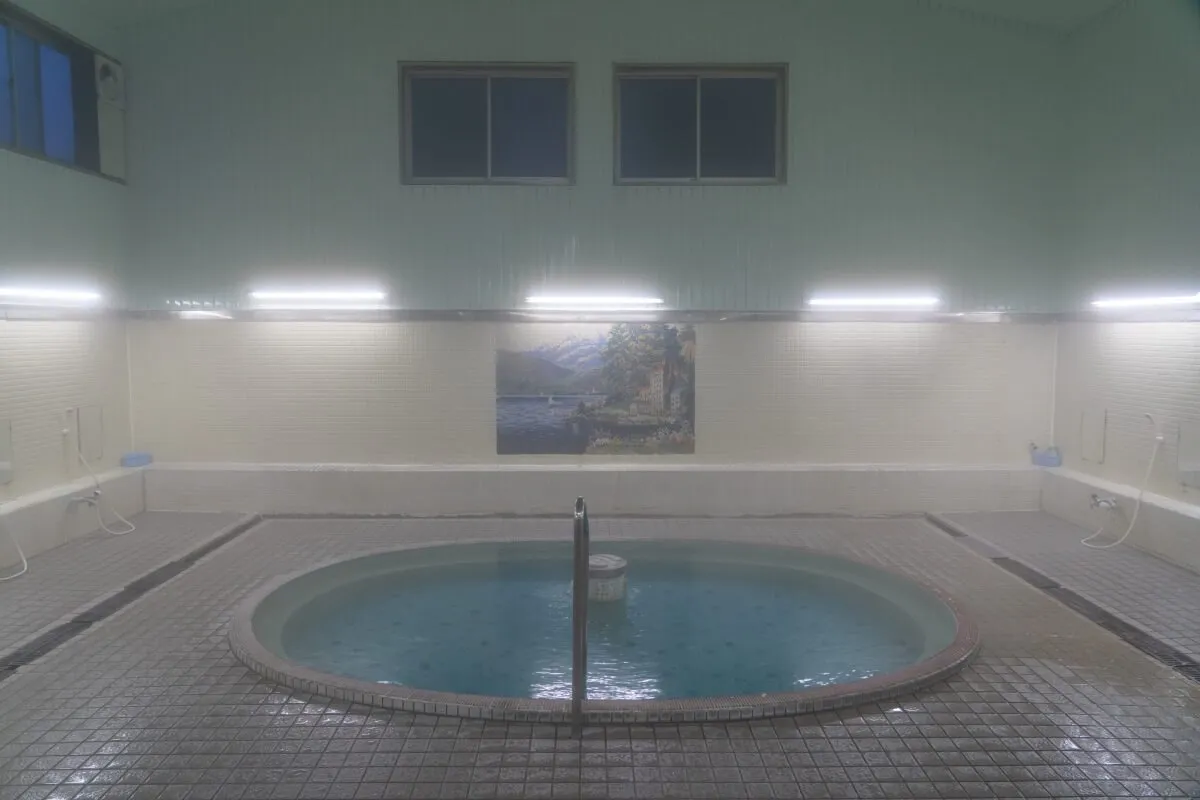
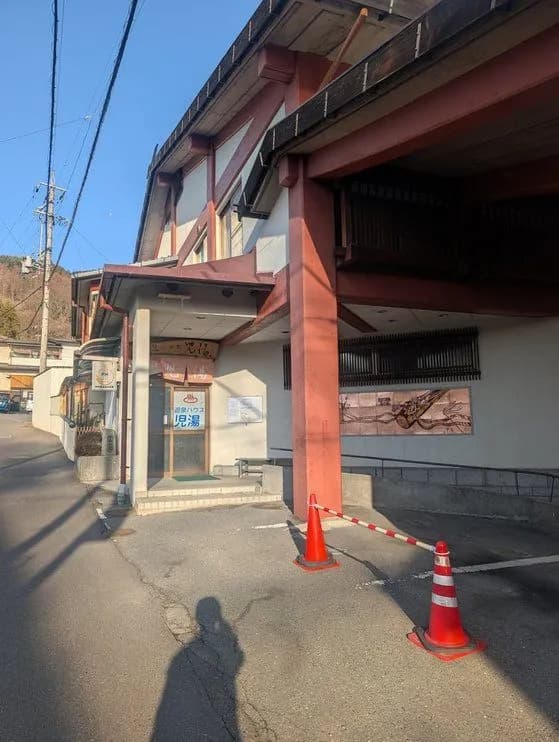
- Sugeno Onsen
| Mon | Tue | Wed | Thu | Fri | Sat | Sun | Hol | |
|---|---|---|---|---|---|---|---|---|
| 06:00 - 22:00 | 06:00 - 22:00 | 06:00 - 22:00 | 06:00 - 22:00 | 06:00 - 22:00 | 06:00 - 22:00 | 06:00 - 22:00 | 06:00 - 22:00 | 06:00 - 22:00 |
| Mon | Tue | Wed | Thu | Fri | Sat | Sun | Hol | |
|---|---|---|---|---|---|---|---|---|
| 05:30 - 22:00 | 05:30 - 22:00 | 05:30 - 22:00 | 05:30 - 22:00 | 05:30 - 22:00 | 05:30 - 22:00 | 05:30 - 22:00 | 05:30 - 22:00 | 05:30 - 22:00 |
Practical Notes Before You Go
Tattoos. Village bathhouses in Nagano are run by residents rather than by companies. Policies are set bath by bath and are seldom posted in English. Do not assume a visible tattoo will be accepted; ask before you undress, or book an inn with a private bath.
Mixed bathing and swimwear. Almost every bath listed here is separated by gender and bathed in without clothing. Swimwear is not permitted. Shirahone Onsen Awanoyu is one of the exceptions, with a large mixed open-air bath; check its data page for the current rules on towels and bathing wraps.
Reservations. Public bathhouses take no reservations — you turn up during opening hours. Inns should be booked ahead, particularly the small ones and the mountain huts at Akadake and Natsuzawa, which fill during climbing season. Bathing at Akadake Kosen is available only from late May to late October.
Payment. Bring coins. Nozawa's bathhouses use an offering box with no set price. Shimosuwa, Bessho and Aoki Village mostly charge a few hundred yen through a ticket machine or a fee box. Credit cards are not accepted at any of these, and cash is safest at small inns too.
Getting around without a car. Four areas work well on public transport. Nagano Dentetsu to Yudanaka station covers Shibu, Yudanaka and Jigokudani, and the Nagaden bus continues to Kuma-no-Yu at Shiga Kogen in about 40 minutes. The Ueda Dentetsu Bessho Line ends at Bessho Onsen. Shimosuwa Onsen is walkable from Shimosuwa station on the JR Chuo Line. Nozawa Onsen is about 25 minutes by bus from JR Iiyama station on the Hokuriku Shinkansen. Takayama Village, Akiyamago and the Yatsugatake huts effectively require a car or a hike.
Looking for Something Wilder
This guide required that a visitor can get in, which excludes the springs you have to climb to. Our guide to Nagano's hidden hot springs covers those: the open-air bath at Honsawa Onsen at roughly 2,150 m, Hakuba Yari Onsen which opens only in the summer climbing season, and Yumata Onsen bubbling out of the Takase riverbed.
https://www.tan-ken.com/ja/blog/74k76s9s_yqc
Planning a Route
Nagano runs about 210 km from north to south. Shiga Kogen and Kiso are hours apart by car. Choose one or two areas rather than crossing the prefecture.
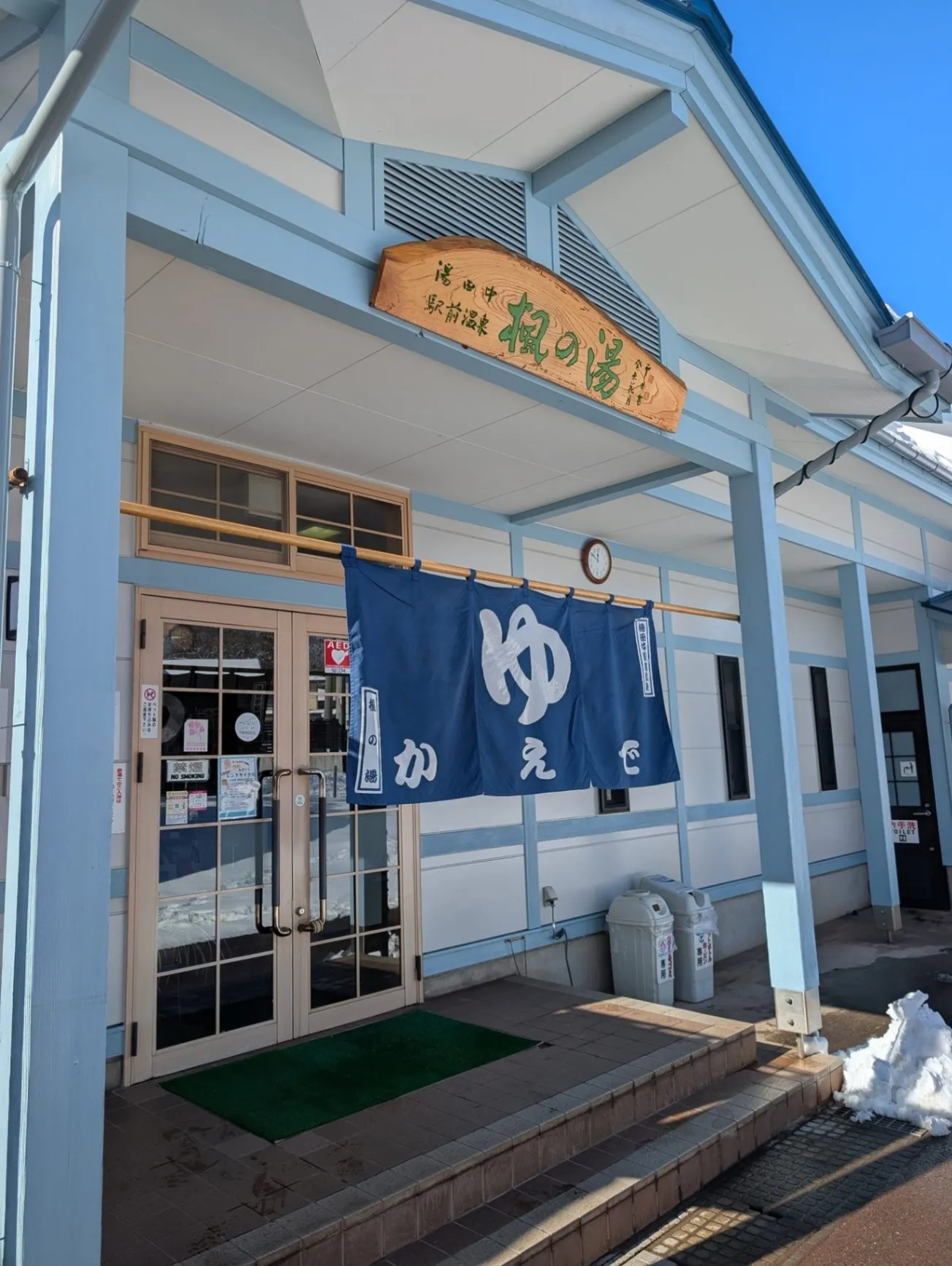
Northern Nagano / Yamanouchi. Base at Yudanaka station. Kaede-no-Yu is at the station, the Shibu bathhouses are a short bus ride away and walkable once there, Andai and Kakuma are just beyond, and Jigokudani Korakukan is at the head of the valley. Kuma-no-Yu at Shiga Kogen is about 40 minutes further by Nagaden bus; by car, the Route 292 climb needs winter tyres from November to mid-April. This is the one area where a full bathhouse circuit works with no car at all.
Nozawa Onsen. About 25 minutes by bus from JR Iiyama station. All thirteen baths are within walking distance of the village centre; leave your luggage at an inn and walk the circuit in a yukata. Baths close for cleaning at set times each day.
Ueda, Aoki and Maruko. The Bessho Line ends at Bessho Onsen with its three bathhouses on foot. Tazawa Uchinyu and Kutsukake Ogura-no-Yu in Aoki Village, and Reisenji and Kakeyu in Maruko, are 30 to 60 minutes from Ueda by bus or car. With the Hokuriku Shinkansen this is a realistic day trip from Tokyo.
Matsumoto, Shirahone and Norikura. From Matsumoto station, Asama Onsen is 20 minutes; Shirahone and Norikura are about 90 minutes by car or bus. Both are high enough that winter road restrictions apply.
Yatsugatake. Akadake Kosen and Natsuzawa Kosen are climbing huts reached on foot. Factor in transport from Chino station to the trailhead and the walking time above it. Akadake Kosen's bath is open only from late May to late October.
Frequently Asked Questions
Can visitors use the village bathhouses?
It depends on the town. Nozawa's thirteen and Bessho's three are open to anyone. Shibu's nine are normally key-access for guests of Shibu inns, with only Oyu open to day visitors during set hours. Kakuma and Andai vary; check the notice at the door or ask the local tourist association.
How much does a bathhouse cost?
There is no single answer. Nozawa asks for a voluntary offering in a box. Shimosuwa, Bessho and Aoki Village generally charge a few hundred yen via a ticket machine or fee box. Prices are revised from time to time, so check the individual data page.
Which of these are free-flowing spring water?
Eighteen of the 20. The exceptions are Akadake Kosen and Natsuzawa Kosen, mountain huts near 2,000 m that heat and filter their water. All 26 bathhouses in the circuit lists are free-flowing.
Is winter a good time?
For the northern bathhouse towns, winter is the best time — snow on the streets and steam over the baths. Shirahone, Norikura and Yatsugatake face road closures and restrictions. If you are not confident driving on snow, stay with the rail-served towns: Nozawa, Shibu, Bessho and Shimosuwa.
What should I know about bathing etiquette?
Wash and rinse thoroughly at the taps before entering the tub. Do not put a towel in the water. Northern Nagano's baths run hot — enter slowly, and do not add cold water without asking, as the balance is set by residents.
Notice
The information in this article (admission fees, operating hours, water quality data, etc.) is based on research conducted at the time of writing. Details may have changed or contain errors. Please verify the latest information on each facility's official website or through the local tourism association.