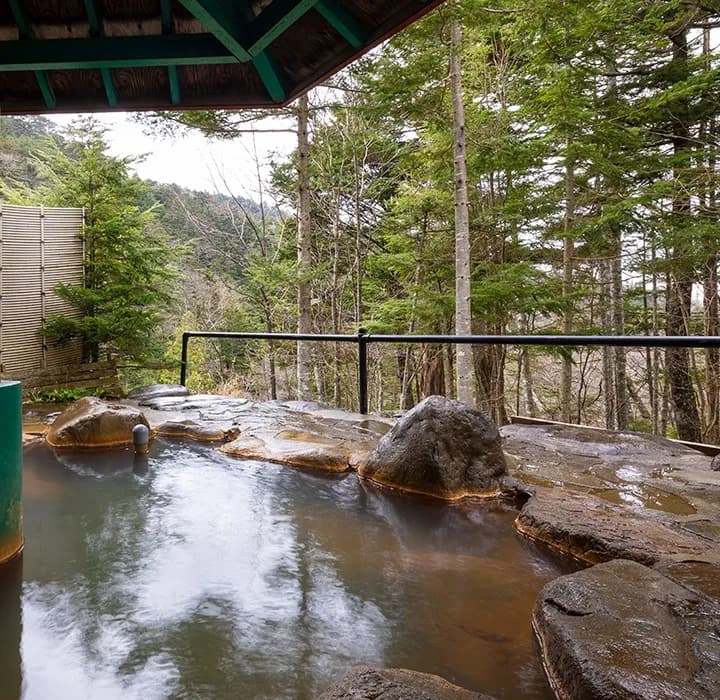
12 Best Hidden & Notable Hot Springs in Tottori Prefecture — Radium Springs and Ancient Waters of San'in

12 Best Hidden & Notable Hot Springs in Tottori Prefecture — Radium Springs and Ancient Waters of San'in

Tottori Prefecture, situated at the eastern edge of the San'in region along the Sea of Japan coast, is a land defined by two grand natural landmarks: Japan's largest sand dunes and Mount Daisen, the highest peak in the Chugoku region. From deep beneath this landscape rises a remarkable diversity of thermal waters with histories and characteristics rivaling any in the country. Misasa Onsen boasts one of the world's highest radium concentrations, with studies showing cancer mortality rates among local residents at roughly half the national average. Iwai Onsen, the oldest hot spring in the San'in region with origins in the Heian period, preserves the unique bathing tradition of yukamuri. At Hawai Onsen on Lake Togo, guests can soak in Japan's only lake-surface open-air bath. Yoshioka Onsen's millennium-old waters have earned Pure Onsen Grade A certification across every pool, while on the slopes of Mount Daisen, a spring with one of Japan's highest reducing power levels rejuvenates hikers and pilgrims alike. Here, we present 12 carefully selected destinations, each with its own distinctive character.


1. Iwai Onsen Iwaiya (Iwami Town, Iwami District)

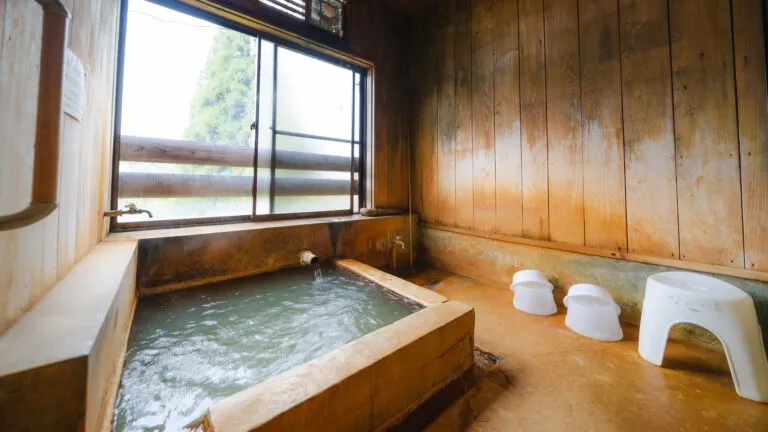
Iwai Onsen is the oldest hot spring in the San'in region, with a history stretching back over 1,200 years to the Heian period. According to the founding legend, a nobleman named Fujiwara no Fuyuhisa, suffering from a debilitating skin disease, wandered through the San'in region in despair. He was guided by a mysterious woman resembling the Medicine Buddha to a hidden spring, and upon bathing in its waters, his ravaged skin was instantly restored to its former beauty. Fuyuhisa settled in the area and devoted himself to helping others afflicted with similar ailments. Iwaiya was established in the late Edo period, and for more than 150 years it has welcomed guests seeking the healing powers of the thermal waters. After a devastating fire in 1934 destroyed much of the hot spring town, the inn was promptly rebuilt as a three-story wooden structure that still stands today. With tatami flooring throughout, it envelops visitors in warmth and tradition. As a member of the Japan Association of Secluded Hot Spring Inns, Iwaiya quietly preserves an authentic hot spring culture that is increasingly rare in modern Japan. The water at Iwaiya is classified as a calcium-sodium sulfate spring with a neutral pH of 7.1 and a source temperature of approximately 47.6 to 50 degrees Celsius. What makes this inn truly exceptional is its commitment to serving completely untreated, free-flowing source water in every single bath — no dilution, no heating, no recirculation whatsoever. This dedication extends to the faucets and showers, which all use pure spring water, a practice remarkably rare even among Japan's finest hot spring inns. The colorless, transparent water feels silky smooth on the skin and is reputed to be beneficial for neuralgia, muscle pain, joint pain, poor circulation, and chronic skin conditions. A generous natural flow of 100 liters per minute ensures that the baths are constantly refreshed with pristine thermal water. The signature bath, Gensen Choju-no-Yu (Source Spring of Longevity), is a deep pool approximately one meter deep, designed so that bathers stand chest-deep in the water. Spring water rises directly through pine boards laid across the bottom — a type of ashimoto-yushutsuen (foot-source spring) that is exceedingly rare across Japan. This unique standing-bath style promotes blood circulation through natural water pressure. The Sedo-no-Yu is a small open-air bath enclosed by bamboo fencing in a gazebo style, offering the pleasure of bathing while feeling the breeze. Iwai-no-Yu provides a calmer atmosphere for unhurried soaking. The baths alternate between men and women at 8:00 PM, so overnight guests can enjoy all facilities. A private bath called Yoimachigusa is available by reservation for 45-minute sessions at 3,300 yen. All 14 guest rooms are traditional Japanese-style, and the inn is also celebrated for its regional cuisine showcasing the bounty of the Inaba area. Iwai Onsen preserves a unique bathing tradition called yukamuri, found nowhere else in Japan. Bathers place a towel over their heads and repeatedly pour hot water over themselves using a special ladle while chanting the yukamuri-uta, a counting song designed to encourage longer soaking and maximize the therapeutic benefits of the water. This centuries-old custom continues to be practiced today. The inn is conveniently accessible, just 10 minutes by bus from JR Iwami Station or approximately 35 minutes from Tottori Station. The surrounding area offers excellent sightseeing opportunities including the stunning Uradome Coast and the San'in Kaigan UNESCO Global Geopark, making it easy to combine a hot spring visit with coastal exploration. Day-trip bathing is available from 12:00 to 14:00 at 1,000 yen for adults, though visitors are advised to call ahead as the facility may be closed on cleaning days.
View detail page

2. Sekigane Onsen Seki-no-Yu Public Bathhouse (Kurayoshi City)

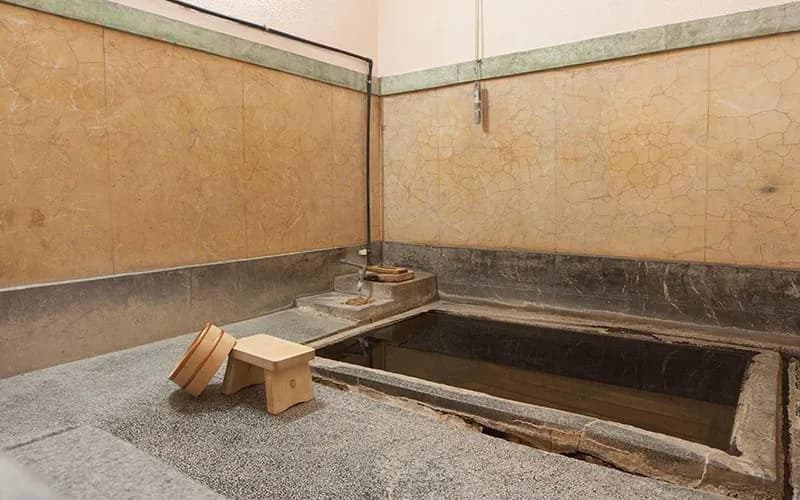
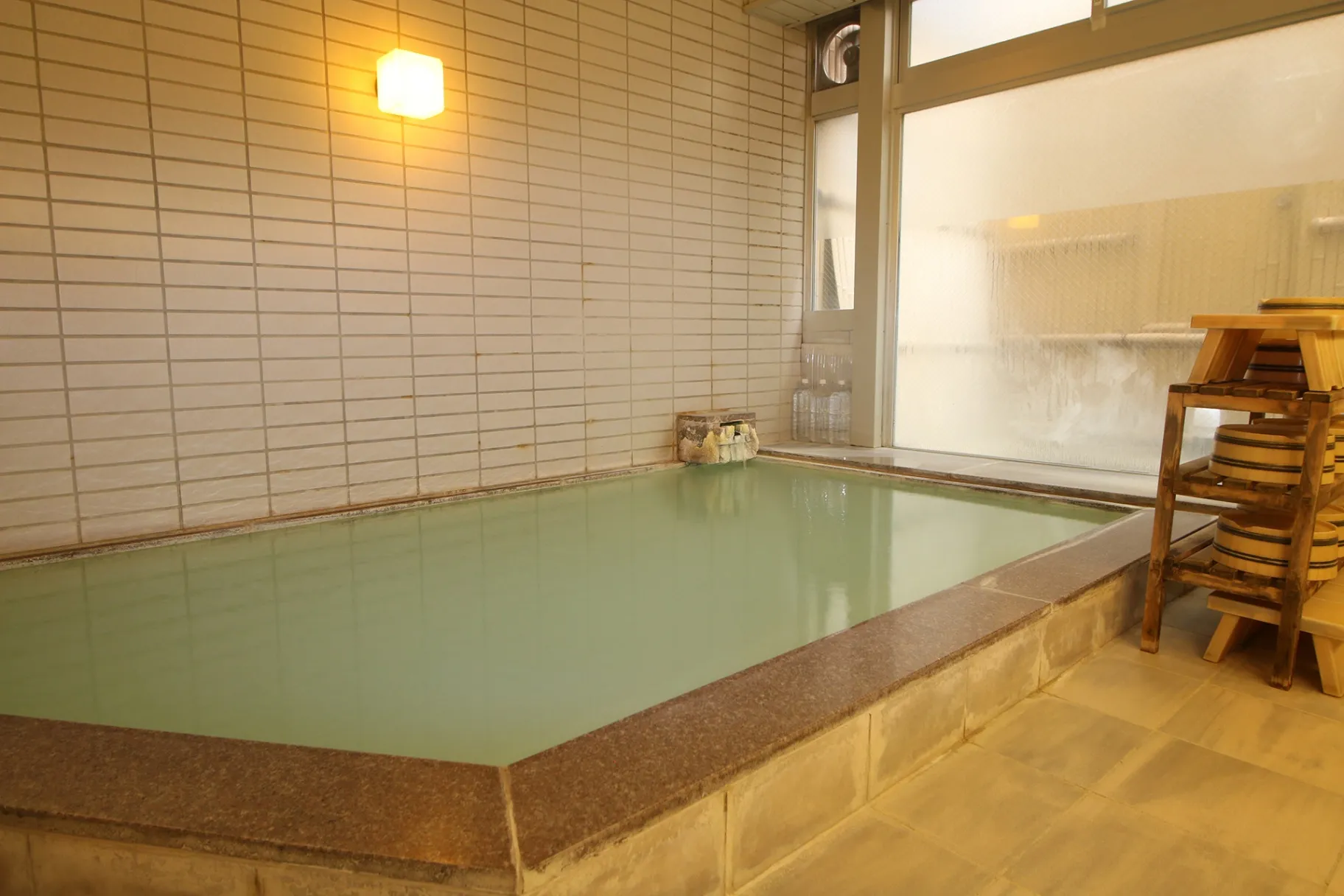
Sekigane Onsen boasts a history stretching back approximately 1,300 years, making it one of the oldest hot springs in the San'in region. Among its bathing facilities, Seki-no-Yu Public Bathhouse has been beloved by local residents for over 120 years since its establishment in 1903 (Meiji 36). The origins of the hot spring trace back to the Nara period, when the renowned Buddhist monk Gyoki is said to have discovered cranes bathing in the thermal waters. Legend also holds that Kobo Daishi (Kukai) later restored the spring after it had fallen into disrepair, and during the medieval period, Yamana Kotaro constructed bathing facilities. The spring was recorded as Gin-yu (Silver Water) in the Hoki Mindan-ki, a regional chronicle of Tottori Domain compiled during the Kyoho era of the Edo period, and has long been known as Shirogane-no-Yu (Platinum Water) for its crystalline beauty. The area prospered as a post town at the junction of the Sakushu Kaido road and the route to Mount Daisen, gaining wide renown as a therapeutic bathing destination. The spring water is classified as a simple weak radioactive spring, commonly known as a radium spring. It possesses the second-highest radon radioactivity in Japan, surpassed only by Misasa Onsen in the same Tottori Prefecture. The source temperature is approximately 39.5 degrees Celsius — a pleasantly lukewarm temperature close to body heat — and the water is delivered in its completely natural state without any dilution, heating, or disinfection. This commitment to pure, unadulterated source water is the bathhouse's greatest distinction. Though the colorless, transparent, tasteless, and odorless water may seem unremarkable at first glance, the hormesis effect produced by radon's trace radiation has attracted scientific attention for its potential to boost immune function and promote metabolism, with therapeutic indications for gout, hypertension, arteriosclerosis, and neuralgia. In 1955, the discovery of sedimentary uranium ore nearby provided a geological explanation for the radioactivity found in both Sekigane and Misasa hot springs. The bathhouse itself is the epitome of rustic simplicity. A single small bathtub crafted from pine wood is all there is — it fills up with just four or five bathers. There are no washing stations, no shampoo, no soap provided. The space consists of nothing more than a changing area and the bathtub, yet this unadorned communal bathhouse carries a warmth all its own. The sight of elderly locals arriving first thing in the morning to soak and exchange conversation reveals that this place is not merely a bathing facility but a vital community gathering space. The bathing fee is a remarkable 200 yen, and finding an authentic free-flowing radium spring at this price is extraordinarily rare anywhere in Japan. The best time to visit is from spring through autumn. During summer months, the bathhouse opens at 6:30 AM, making it perfect for an early morning soak. Winter hours begin at 7:00 AM, but the experience of slowly immersing in the lukewarm waters and warming oneself to the core during the cold months has its own special appeal. The bathhouse closes on the 1st and 15th of each month, so checking before visiting is advisable. While parking is limited to just 3 spaces, additional parking is available at the nearby Jizo-in temple. Access from JR Kurayoshi Station requires about 35 minutes by bus, making it somewhat inconvenient, but the nearby Sekigane Yumeikan serves as the area's main bathing facility, and visiting Seki-no-Yu as part of a broader tour of the Sekigane Onsen area is highly recommended. Selected as one of Japan's 100 Best Hot Springs in 2011, Seki-no-Yu offers the most authentic and elemental experience of what Sekigane Onsen has to offer.
View detail page

3. Misasa Onsen Ryokan Ohashi (Misasa Town, Tohaku District)

Ryokan Ohashi was founded in 1932 as a branch of Ohashi Ryokan in Kurayoshi, built on the banks of the Mitoku River. At the time, Misasa had not yet established itself as a hot spring town, and the area was largely a quiet farming community. The three-story wooden structure was crafted by shrine carpenters using their finest techniques, with each guest room featuring different premium timbers — bamboo, cherry, hemlock, and cypress among them. The top-floor rooms showcase a distinctive umbrella ceiling design. In 1997, five structures including the main building, detached wings, grand hall, and arched bridge were designated as nationally registered tangible cultural properties, elevating Ryokan Ohashi to the status of one of Japan's rarest cultural heritage hot spring inns. The inn's greatest treasure lies in its abundant spring water: of five private sources, three are naturally artesian. The signature Gankutsu no Yu (Cave Bath) is an extraordinary bathing experience where hot spring water wells up through crevices in the natural bedrock directly beneath bathers' feet. The lower and middle pools are fed by radium springs, while the upper pool contains Misasa Onsen's only thorium spring — certified in 1948 as having the highest thorium concentration in the world. The water is classified as a radioactive sodium chloride spring with a source temperature of 62 degrees Celsius and a pH of 6.5. Misasa Onsen's radium content ranks among the highest globally, and the low-dose radiation hormesis effect is believed to boost immunity and promote metabolism. The second bathhouse, Seseragi no Yu, features a cypress wood bath and an open-air bath where guests can soak while listening to the gentle murmur of the Mitoku River. Gankutsu no Yu and Seseragi no Yu alternate between men and women, so overnight guests can enjoy both. All 20 guest rooms are traditional Japanese-style, each adorned with different premium wood species. The arched bridge connecting buildings presents an elegant curve on the exterior while maintaining a flat interior walkway — a testament to ingenious architectural craft. Meals feature kaiseki cuisine highlighting the finest seafood and mountain produce from the San'in region. Day-trip bathing is available for 1,000 yen per adult from 15:00 to 21:00. JR Kurayoshi Station is approximately 20 minutes away by bus, and a complimentary shuttle service is available for overnight guests (reservation required). The Misasa Onsen town offers additional attractions such as the public bath Kabuyu and the riverside open-air Kawara Buro. The UNESCO-recognized Mitokusan Sanbutsuji Nageiredo temple is only about 15 minutes away by car, making it easy to combine a hot spring visit with historical exploration.
View detail page

4. Misasa Onsen Kiya Ryokan (Misasa Town, Tohaku District)

Kiya Ryokan was founded in 1868, though its roots stretch back to the Edo period when the family served as village headmen, supplying mountain products to the Tottori domain under the trade name Kiya (Wood House). In 1916, when Misasa Onsen's radium content was confirmed as the highest in the world, visitors flooded to the area and the inn expanded with a Taisho-era wing. In 2010, the entire complex was designated as a nationally registered tangible cultural property. The labyrinthine wooden structures spanning three eras — Meiji, Taisho, and Showa — transport guests through layers of Japanese architectural history. The spring water is classified as a weakly radioactive sodium chloride spring, with the inn's private source reaching a high temperature of 71.5 degrees Celsius. The 100% natural free-flowing water contains radon at concentrations ranked among the highest in the world. Radon absorbed through breathing and drinking circulates through the bloodstream and stimulates cells throughout the body, a phenomenon known as the hormesis effect. In 2012, the therapeutic benefits were academically validated by an Austrian medical university. Health surveys in the Misasa area have revealed remarkable results: the proportion of residents aged 90 and older is six times the national average, while cancer rates are less than half the national average. The inn offers a unique toji (therapeutic bathing) program that allows guests to experience radon springs in three ways: bathing, drinking, and inhaling. The main bath Kawase no Yu provides free-flowing source water, while the foot-bubbling radium spring Rakusen no Yu maintains its natural temperature without adjustment, preserving high radon concentrations for an authentic experience. Anagura no Yu is a radon mist sauna that enables efficient absorption of radon through the respiratory system. Bedrock bathing is also available, and a consultation service called Radiumlier helps guests design personalized bathing courses based on their individual wellness goals. Overnight stays start from 15,400 yen per person, and day-trip bathing is available for 1,000 yen per adult. The inn is conveniently located about 20 minutes by bus from JR Kurayoshi Station, and its central position in the hot spring town makes it an ideal base for exploring Misasa's attractions including the public bath Kabuyu and the riverside open-air Kawara Buro. The UNESCO-recognized Mitokusan Sanbutsuji Nageiredo temple is only about 15 minutes away by car, making it easy to combine hot spring therapy with historical exploration. An intriguing literary connection adds further depth: the inn's former proprietress's father was a classmate of the celebrated poet Kenji Miyazawa.
View detail page

5. Misasa Onsen Kabuyu (Misasa Town, Tohaku District)

Misasa Onsen Kabuyu is the birthplace of Misasa Onsen, a hot spring resort with over 850 years of history. According to the White Wolf Legend, in 1164 during the late Heian period, Samanosuke Okubo, a retainer of the warrior Minamoto no Yoshitomo, encountered an old white wolf while on pilgrimage to Mitokusan Sanbutsuji Temple. He nearly killed it with an arrow but recognized the animal as a manifestation of the Buddha and spared its life. That night, the deity Myoken Daibosatsu appeared in his dream and revealed the location of a hot spring gushing from the roots of an ancient camphor tree. The name Kabuyu derives from kabu, meaning stump or root base, referring to the tree roots from which the water emerged. The name Misasa itself is said to come from the belief that illness would be cured by the third morning of bathing. The spring water is classified as a weakly radioactive sodium chloride spring, and Misasa Onsen is renowned worldwide for its exceptionally high radium and radon content. The source temperature ranges from approximately 44 to 49 degrees Celsius with a neutral pH of 7.3, and the colorless, transparent water flows directly from the source without recirculation. The trace radiation produces a hormesis effect that stimulates cellular activity, expanding capillary blood vessels, promoting metabolism, and enhancing immunity. A remarkable 1992 statistical study reported that cancer mortality rates among Misasa Onsen area residents were approximately half the national average. The bathing facility is a small, unpretentious public bathhouse frequented daily by local residents, featuring only indoor baths. It has a changing area with 5 shower stations and 10 coin lockers but no rest area or dining facilities. In contrast to the lively atmosphere of the hot spring town, the unadorned simplicity of this bathhouse carries the dignified character befitting the original spring of Misasa. Adjacent to the bathhouse, a free foot bath and drinking fountain are available, with the drinking fountain accessible 24 hours a day. Drinking the radon-containing spring water is believed to enhance therapeutic effects particularly for respiratory conditions, and both locals and visitors regularly partake. Admission is an affordable 400 yen for adults and 250 yen for children. Operating hours are 8:00 to 21:45, with Monday opening delayed to 10:00. From JR Kurayoshi Station, take the Hinomaru Bus for about 20 minutes to Misasa Onsen, then walk approximately 10 minutes. Nearby attractions include the riverside open-air Kawara Buro bath in the heart of the hot spring town, the nationally registered tangible cultural property Ryokan Ohashi, and the spectacular Mitokusan Sanbutsuji Nageiredo temple about 15 minutes away by car. Soaking in this modest bathhouse at the very origin of Misasa Onsen while contemplating the ancient White Wolf Legend is a truly special experience for any hot spring enthusiast.
View detail page

6. Misasa Onsen Kawara Buro (Misasa Town, Tohaku District)

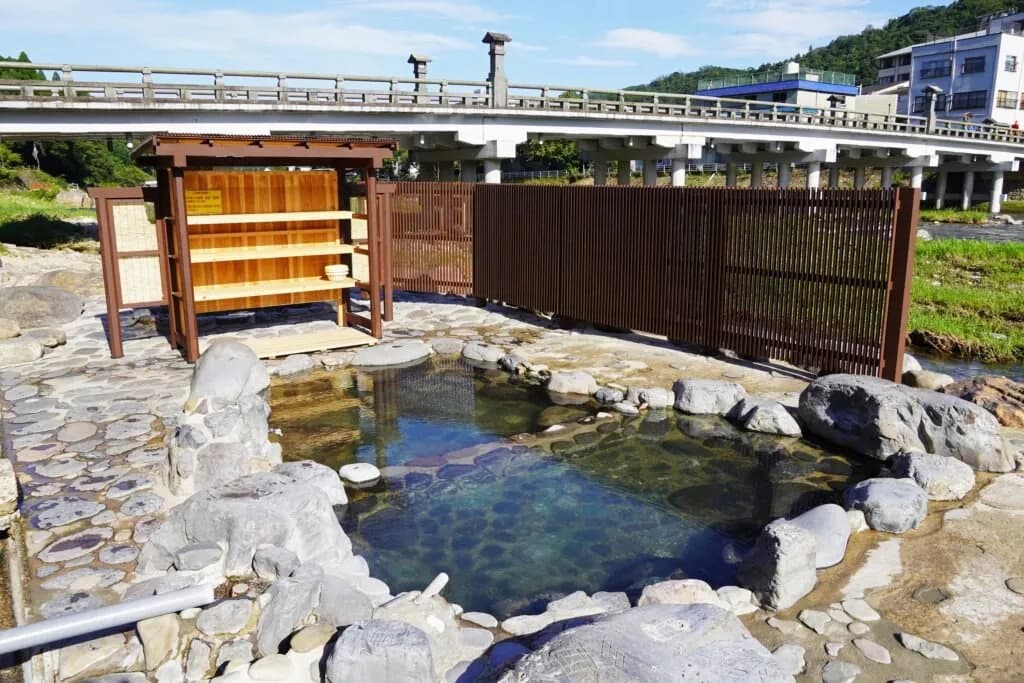
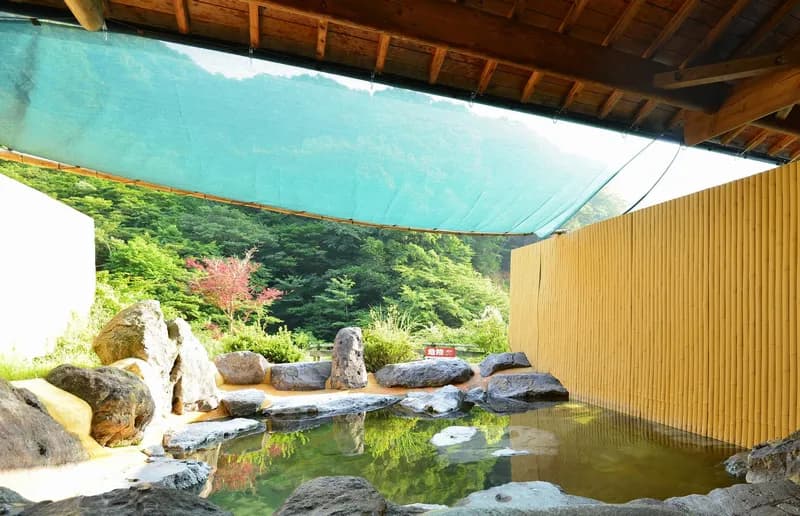
Kawara Buro is a symbolic mixed-gender open-air bath of Misasa Onsen, nestled on the riverbed of the Mitoku River in Misasa Town, Tohaku District, Tottori Prefecture. Its history traces back to 1164, when Okubo Samanonosuke, a retainer of the warrior Minamoto no Yoshitomo, made a pilgrimage to Mount Mitoku. He discovered a white wolf hiding beneath the roots of a camphor tree but chose to spare it out of compassion. That night, the Myoken Bodhisattva appeared in his dream, revealing the location of a sacred hot spring gushing from the tree's roots. This White Wolf Legend marks the origin of Misasa Onsen, which has been cherished as a therapeutic bathing destination for over 850 years. The spring water of Kawara Buro is classified as a radioactive sodium chloride spring, internationally renowned for its exceptionally high radon concentration — one of the highest in the world. The source temperature ranges from 56 to 80 degrees Celsius with a neutral pH of 7.2, producing colorless and transparent water that feels gentle on the skin. The hormesis effect from trace radiation is believed to enhance immunity, promote metabolism, and provide antioxidant benefits. An old saying holds that one regains vitality after spending three mornings in Misasa — a tradition reflected in the town's very name, which literally means three mornings. The bathing pool, constructed from large stones arranged on the riverbed of the Mitoku River at the foot of Misasa Bridge, offers a truly rustic and nature-immersed bathing experience. The changing area consists of only a simple enclosure, with virtually nothing to obstruct the surrounding views. Soaking in the open waters while listening to the gentle murmur of the river and absorbing the charm of the hot spring town provides an experience unmatched by any conventional bathing facility. At night, the illuminated Misasa Bridge casts a dreamlike atmosphere over the bath, creating an especially memorable experience. Admission is completely free, and the bath is accessible 24 hours a day, except on odd-numbered day mornings when it closes for cleaning. From JR Kurayoshi Station, the journey takes approximately 20 minutes by bus, followed by a 3-minute walk from the Misasa Onsen bus stop. The surrounding area features several hot spring attractions including the public bath Kabuyu, the riverside foot bath Kawara no Yu, and drinking spring fountains, making it ideal for a leisurely stroll through the Misasa Onsen district. The UNESCO-recognized Nageiredo Hall at Mitokusan Sanbutsuji Temple is only about 15 minutes away by car, positioning Kawara Buro as an excellent base for combining hot spring relaxation with historical exploration.
View detail page

7. Hawai Onsen Bokoro (Yurihama Town, Tohaku District)

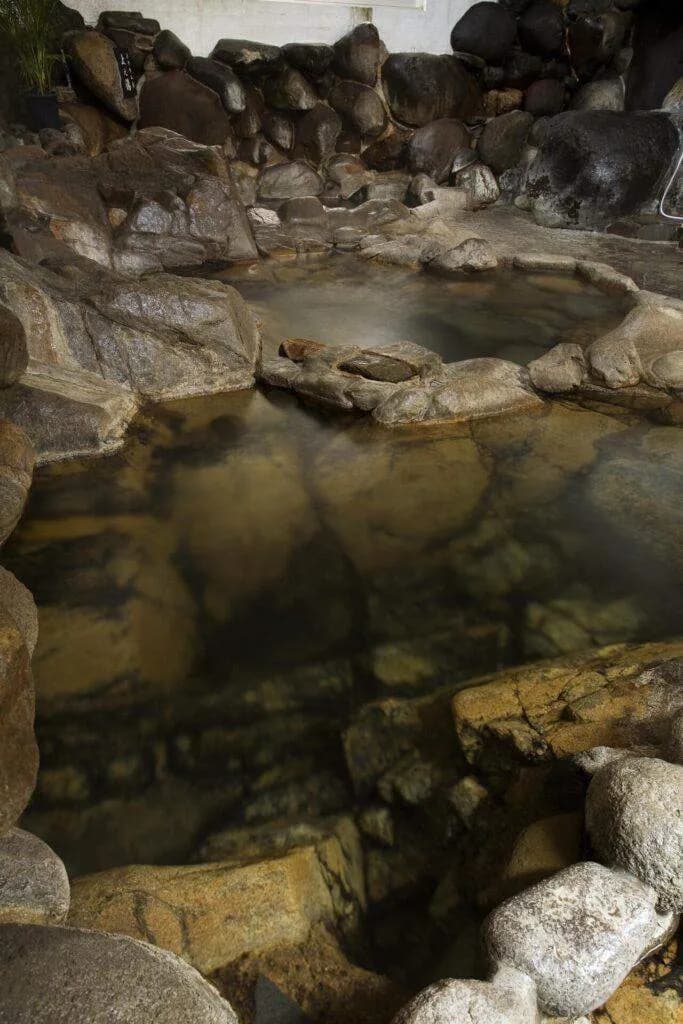
The history of Hawai Onsen dates back to 1843, when hot spring water was discovered bubbling up from the bottom of Lake Togo. In the early days, the spring water was accessed by an extraordinary method found nowhere else in Japan — people would float boats on the lake and draw up the hot water from beneath the surface. During the Edo period, local residents petitioned the lord of Tottori domain for permission to utilize the lake-bottom spring source, marking the official beginning of Hawai as a hot spring destination. The area developed through the Meiji and Taisho eras, and Bokoro opened its doors in 1931. The name Hawai bears no relation whatsoever to the American state of Hawaii; it derives from the ancient Japanese place name Hawai. However, in 1996 the town established a sister-city relationship with Honolulu, adding a touch of tropical charm to this lakeside hot spring resort. Bokoro's spring water is classified as a sodium-calcium chloride-sulfate spring (hypotonic, weakly alkaline, high temperature), formerly known as gypsum-containing saline spring. The inn draws from six separate sources, skillfully blending waters of different temperatures to achieve the ideal bathing temperature without any added water or artificial heating — a 100% natural free-flowing spring in the truest sense. The blended source temperature reaches 53.7 degrees Celsius, and no chlorine disinfection is used; instead, all baths are completely drained and cleaned daily. Rich in sodium, calcium, chloride, and sulfate ions, the water is therapeutically indicated for neuralgia, muscle pain, joint pain, frozen shoulder, chronic digestive disorders, hemorrhoids, cold sensitivity, and fatigue recovery. Bokoro's crowning attraction is its lake surface open-air bath, reached by crossing a distinctive red bridge over Lake Togo. The two floating baths, named Asahi (Morning Sun) and Yuhi (Evening Sun), offer a bathing experience found absolutely nowhere else in Japan. Guests soak in naturally flowing hot spring water while gazing across the magnificent expanse of Lake Togo, counted among the Eight Great Scenic Views of San'in. In the morning, the rising sun paints the lake surface gold; at dusk, the sky blazes crimson over the water — each moment creating an unforgettable bathing experience. The main bathhouse features Tennyo no Yu, one of Tottori Prefecture's largest indoor baths, along with Shinwa no Yu, a semi-open-air bath with an elegant glass water basin, and an 85-degree Celsius sauna with cold plunge pool. Every guest room is also supplied with natural free-flowing hot spring water, and the premium rooms called Yunomori offer private open-air baths for an intimate soaking experience. Bokoro is conveniently reached in about 10 minutes by taxi from JR Kurayoshi Station on the San'in Main Line, with a shuttle bus also available by reservation. From Hawai IC on the San'in Expressway, the inn is just a 5-minute drive. Free parking accommodates 200 vehicles. Overnight stays start from 16,500 yen per person with two meals, featuring kaiseki cuisine prepared with premium Tottori ingredients including Tottori wagyu beef, abalone, and nodoguro (blackthroat seaperch). Day-trip bathing is available from 13:00 to 21:00 for 1,000 yen per adult. Each season brings its own delights — lakeside cherry blossoms in spring, the Togo Lake Suigo Festival fireworks in summer, autumn foliage, and prized matsuba crab in winter. With over 90 years of hospitality tradition, Bokoro offers a uniquely restorative retreat where the warmth of natural hot springs meets the timeless beauty of Lake Togo.
View detail page

8. Togo Onsen Kosenkaku Yojokan (Yurihama Town, Tohaku District)

Kosenkaku Yojokan traces its origins to 1872, when a local landowner struck a hot spring source on the shores of Lake Togo and built a villa he named Yojokan — the House of Convalescence. Hot springs had been known to bubble up from the lake bottom since ancient times; a document from 1749 records villagers inserting bamboo tubes into the lake floor to draw up the thermal waters. The villa was opened to the community and soon earned a reputation as a place of therapeutic bathing. When it formally began operating as an inn in 1884, it became the founding establishment of Togo Onsen. Over more than 140 years, it has hosted distinguished literary figures such as Naoya Shiga and Rohan Koda, cementing its place as a cultural landmark of the region. The waters of Yojokan are classified as a sodium-calcium chloride-sulfate spring with a source temperature exceeding 80 degrees Celsius. The inn maintains two private spring sources and adheres strictly to a philosophy of completely unadulterated free-flowing source water — no dilution, no reheating. This uncompromising approach is made possible by the abundant volume of hot water rising from deep beneath Lake Togo, ensuring every bath receives pure, unaltered source water — a luxury that impresses even the most seasoned onsen connoisseurs. As a chloride spring, the water excels at heat retention, keeping the body warm long after bathing and earning its reputation as a warming spring. Spread across expansive grounds of approximately 6,000 tsubo, Yojokan offers seven distinct bathing experiences: a large communal bath, an open-air bath, an observation bath, three private baths, and a garden foot bath. The open-air bath commands a particularly spectacular view of Lake Togo, where guests can contemplate the ethereal beauty of sunset reflections and morning mist across the water's surface. The cuisine features kaiseki-style seasonal courses showcasing fresh seafood from the Sea of Japan and mountain vegetables from the surrounding hills, offering an authentic taste of Tottori's rich culinary heritage. Day-trip bathing is available for 1,000 yen per adult, from 16:00 on weekdays and from 13:00 on weekends and holidays until 19:30. The inn is conveniently accessible at approximately 12 minutes on foot from JR Matsuzaki Station on the San'in Main Line, or about 10 minutes by car from Hawai IC on the San'in Expressway. Please note that the entire facility has been temporarily closed since March 1, 2024, due to Lake Togo embankment construction, with no confirmed reopening date. Visitors are advised to check the latest status via the official website or by phone before planning a visit. The Lake Togo area also offers attractions including the Hawai Onsen district, the Chinese garden Enchoen, and Hawai Beach, making it possible to fully savor the charms of Yurihama Town alongside the hot spring experience.
View detail page

9. Shikano Onsen Sanshien (Tottori City, Shikano-cho)

Shikano Onsen is a hot spring area located in Shikano-cho, Tottori City, Tottori Prefecture. Shikano is a town steeped in history, having prospered as a castle town during the Sengoku period under the Yamana and Kamei clans. White-walled storehouses and stone walls of the castle ruins park still evoke the atmosphere of those bygone days. While warm water seeping through the rice paddies had been known since ancient times, the hot spring was not formally developed until exploratory drilling in 1953 and the subsequent successful excavation the following year. In 1966, it was designated as a National Health Resort Hot Spring. Kokumin Shukusha Sanshien stands as the premier accommodation of Shikano Onsen, welcoming guests with its expansive Japanese garden set against the backdrop of Mt. Washimine, one of the most celebrated peaks in the Inaba region. The water at Sanshien is classified as a simple thermal spring (low-tension weakly alkaline high-temperature spring), recording a pH of 7.7 and a source temperature of 62.0 degrees Celsius. Locally nicknamed onna-mizu — meaning ladies' water — the spring is distinguished by its exceptionally soft, gentle touch on the skin, a hallmark of weakly alkaline waters. Bathers often remark on the smooth, radiant glow their skin acquires after soaking, earning the spring its reputation as a beautifying bath. All bathing facilities use natural hot spring water in a genuine free-flowing system around the clock, without dilution or recirculation. The therapeutic benefits are wide-ranging, encompassing neuralgia, muscle pain, joint pain, cold sensitivity, fatigue recovery, and general health promotion — making it well suited for extended therapeutic stays. The bathing facilities offer a rich variety of experiences: the garden open-air baths Hori-no-Yu and Oishi-no-Yu, the Amanogawa panoramic bath commanding views of Mt. Washimine (equipped with jacuzzi jets for both men and women), a large indoor bath on the first floor of the main building, and a complimentary foot bath in the parking area. The men's and women's baths on the first floor swap at 11 PM nightly, allowing overnight guests to enjoy different bathing atmospheres. The Japanese garden visible from the guest rooms transforms with each season — cherry blossoms in spring, fresh verdure in summer, vivid foliage in autumn, and snow-draped tranquility in winter. The cuisine, featuring seasonal ingredients sourced locally from Tottori, has also earned high praise. Day-trip bathing is available at the modest price of 520 yen for adults and 260 yen for elementary school children, from 11:00 to 21:00 (last entry at 20:00). Note that hours are reduced to 11:00-15:00 during Golden Week, Obon, and the New Year holiday period. Access is highly convenient at just 5 minutes by car from Hamamura-Shikano Onsen IC on the San'in Expressway. A free shuttle service from JR Hamamura Station makes the facility accessible by public transport as well. The surrounding area offers numerous attractions including Shikano Castle Ruins Park, strolls through the historic castle town, and hiking on Mt. Washimine. The castle ruins park is particularly celebrated as a cherry blossom viewing spot in spring. A visit to this tranquil mountain hot spring, with its skin-beautifying waters and majestic scenery, offers a welcome respite from the pace of everyday life.
View detail page

10. Yoshioka Onsen Ichinoyu (Tottori City)

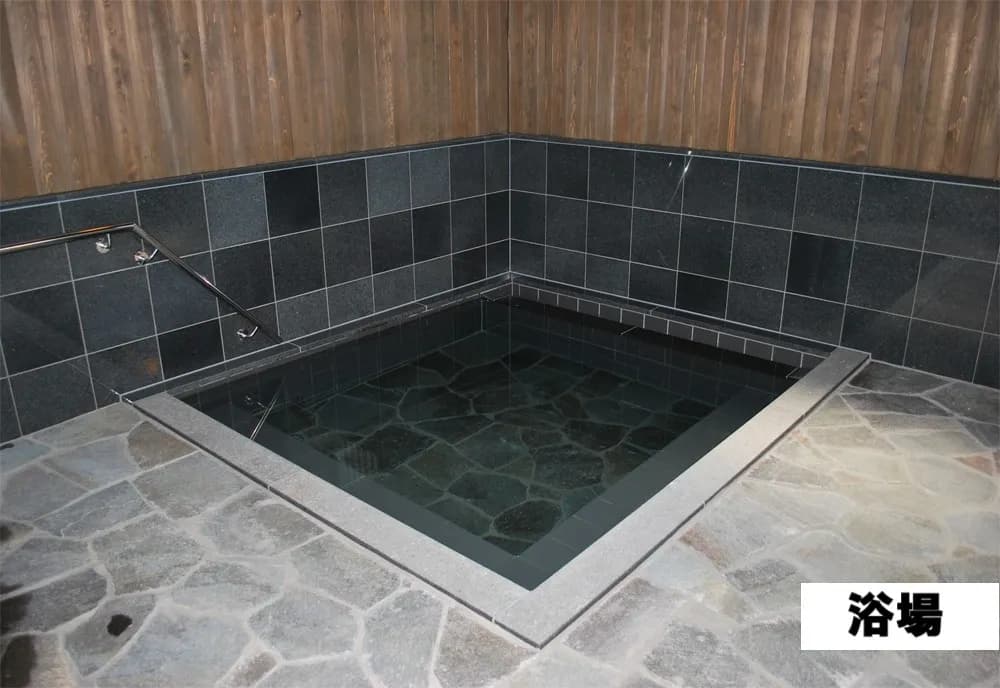
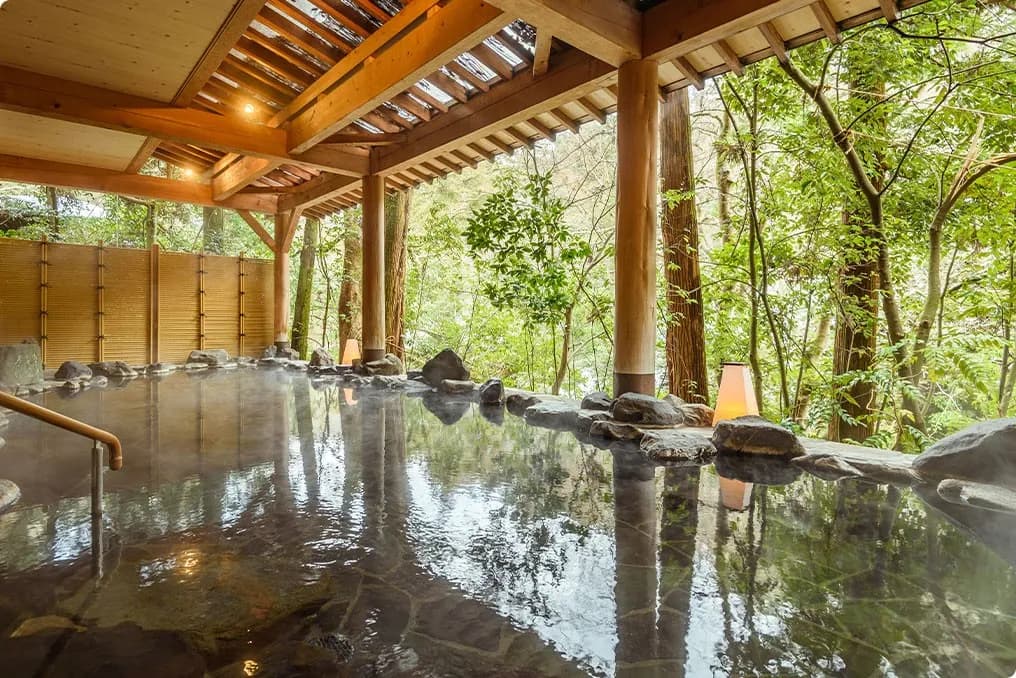
Yoshioka Onsen boasts a history spanning over 1,000 years, with its origins traced to 962 CE. A beautiful legend surrounds its discovery: a wealthy lord named Ashioka had a daughter suffering from a severe facial affliction. He prayed to Yakushi Nyorai, the Medicine Buddha, for one hundred consecutive days. On the final night, a divine vision instructed him to dig in a marshy field, where he unearthed both a statue of Yakushi Nyorai and a gushing hot spring. The waters healed his daughter completely, and the spring has been known as the Hot Spring of the Beautiful Skin Legend ever since. During the Edo period, the Ikeda clan lords of Tottori Domain designated the springs as their exclusive bathing retreat, establishing private locked baths called Ichinoyu and Ninoyu. The current Yoshioka Onsen Ichinoyu opened in April 2018 as a newly constructed day-trip bathing facility built on the very site where these feudal lords once came for therapeutic bathing. The spring water is classified as a simple hot spring with mildly alkaline properties at pH 8.0, a source temperature of 51.3 degrees Celsius, and a flow rate of 100 liters per minute. The colorless, transparent water feels remarkably soft and silky on the skin. Its beauty-enhancing properties come from a triple combination of sulfate ions that promote skin elasticity, salt content that provides moisturizing and heat retention, and sodium bicarbonate components that offer natural cleansing. What makes Ichinoyu truly exceptional is that all eight of its bathing pools have been certified as Pure Onsen Grade A by the Pure Onsen Association. This means absolutely no dilution, artificial heating, recirculation filtration, chemical disinfection, or bath additives are used in any pool — a remarkably rare achievement for a facility of this scale anywhere in Japan. The bathing areas are divided into two distinctive styles: the Ki-buro (wooden bath) featuring warm natural timber aesthetics, and the Iwa-buro (rock bath) with a rugged, nature-inspired atmosphere. Each area contains two indoor pools and one outdoor pool, along with utaseyu cascading water massage. Beyond the main baths, the facility offers an impressive array of amenities rarely found in public bathhouses: a private family bath with a traditional courtyard garden, a fully barrier-free accessible bath, Wanko no Yu — an exclusive bath where guests can bathe with their dogs — and a Finnish-style tent sauna. The building opened in 2018 and maintains an immaculate, modern interior with private rest rooms and a workspace-ready meeting room for workcation visitors. Admission is a reasonable 700 yen for adults, 350 yen for children, and 600 yen for seniors, representing excellent value for a genuine free-flowing natural source facility. The facility operates from 8:00 to 21:00 year-round, and its location just 20 minutes by car from the Tottori Sand Dunes makes it an ideal post-sightseeing relaxation destination. The town comes alive during the Hanayu Festival in April with traditional white elephant processions, and in June the Hotaru Festival celebrates the dancing of fireflies along the local streams. Whether as a day-trip complement to exploring the famous sand dunes or as a destination in its own right to experience a millennium of bathing tradition once reserved for feudal lords, Yoshioka Onsen Ichinoyu is a facility that every visitor to Tottori should experience.
View detail page

11. Kaike Onsen Kaike Fuga (Yonago City)

Kaike Onsen traces its origins to 1900, when local fisherman Chugoro Yamakawa accidentally discovered hot water gushing from the shallow seabed along the coast of Yonago City in Tottori Prefecture. The area was subsequently developed into one of the premier hot spring resorts in the San'in region during the Taisho era by the entrepreneur Matsutaro Arimoto. Kaike Fuga is a sukiya-style inn that stands in this historically rich hot spring town, having evolved from the long-established Hisagoya through Kaike no Yado Yururi before being reborn in 2018 as a Retreat of Beauty and Elegance. The inn is closely associated with the celebrated ceramic artist Kawai Kanjiro, known as the Poet of Fire, and the on-site mingei-kan folk art gallery features distinctive Korean-style flooring and harmonious aesthetic design throughout. The hot spring water is classified as a sulfur-containing sodium chloride spring with a source temperature of 65.7 degrees Celsius and a neutral pH of 7.1. The water is exceptionally rich in the three major skin-beautifying components: magnesium, sulfates, and metasilicic acid, earning it the reputation as a silky smooth beautifying salt spring. The outstanding heat retention and moisturizing properties ensure that the skin remains supple long after bathing. Therapeutic indications include neuralgia, muscle pain, joint pain, cold sensitivity, and chronic skin conditions, reflecting the high-quality waters for which Kaike Onsen has been prized as a therapeutic bathing destination since its earliest days. All 24 guest rooms exceed 40 square meters in size, with several featuring private open-air hot spring baths. The approximately 2,000-square-meter Japanese garden is designed to evoke the white sand and blue pines of nearby Yumigahama Beach and presents a different face with each passing season. In the evening, guests can relax in the bar lounge while admiring the illuminated garden. Beyond the main public bath, the facility offers private baths and barrel saunas for both men and women, while the dining experience features kaiseki cuisine and teppanyaki dinners prepared with locally sourced seasonal ingredients. The popular Miyabi Bijin Experience allows guests to try on antique kimono and pose with traditional parasols for photographs in the garden. Day-trip bathing is available from 15:00 to 21:00 at 1,300 yen for adults. JR Yonago Station is approximately 15 minutes away by taxi, and a complimentary shuttle bus operates by reservation. By car, the inn is about 15 minutes from Yonago IC on the Yonago Expressway. The surrounding area offers stunning views of the Sea of Japan coastline, and on clear days, Mount Daisen, the highest peak in the Chugoku region, is visible in the distance. Kaike Onsen is also known as the birthplace of triathlon in Japan, with an annual competition held each summer. Nearby attractions include the Mizuki Shigeru Road in Sakaiminato, hiking on Mount Daisen, and the renowned Adachi Museum of Art, making the inn an ideal base for combining hot spring relaxation with sightseeing.
View detail page

12. Daisen Hinokamidake Onsen Goen Yuin (Daisen Town, Saihaku District)

Goen Yuin is a day-trip hot spring facility nestled along the approach to Daisenji Temple at approximately 750 meters elevation on the slopes of Mount Daisen, one of the most sacred mountains in the San'in region of western Japan. The facility opened in 2013 and takes its name from the venerable Tendai Buddhist monk Goen Sojo (1536-1611), who is revered as the savior of Daisenji Temple. During the turbulent transition from the Sengoku period to the early Edo era, Daisenji — once a powerful institution commanding 60,000 koku of temple lands with 160 halls and 3,000 warrior monks — stood on the brink of extinction due to internal conflicts. Goen Sojo unified the temple administration and secured a 3,000-koku endowment from the Tokugawa shogunate, thereby preserving the temple's legacy. The hot spring was built at the foot of Mount Goen, where the monk's grave rests. The spring water is classified as a weakly alkaline simple hot spring, drawn from 1,200 meters underground with a source temperature of 28.0 degrees Celsius and a pH of 8.1. What makes this spring truly exceptional is its oxidation-reduction potential of -320mV — among the highest reducing power levels recorded at any natural hot spring in Japan. This remarkable antioxidant quality is believed to promote fatigue recovery and healing. The water is colorless, odorless, and exceptionally soft on the skin, with a total mineral content of 0.193g/kg. A drinking spring corner allows visitors to consume the mineral-rich water directly. The indoor bath, Kami no Yu (Bath of the Gods), transports bathers into a mystical cave-like space illuminated by ceremonial torches, creating an atmosphere of sacred tranquility that evokes the sense of bathing in a divine realm. Designed to soothe all five senses, the dimly lit space surrounded by natural rock walls offers a profound escape from everyday life. The outdoor bath, meanwhile, provides unobstructed views of Mount Daisen's magnificent natural landscape, with no artificial structures visible in any direction. Autumn brings brilliant foliage, while winter transforms the bath into a stunning snow-viewing experience. Another hallmark of Goen Yuin is its celebrated Goen Tofu and Goen Soy Milk, crafted using the sacred spring water of Mount Daisen. Every bather receives a complimentary serving of soy milk or a mini soft-serve ice cream after their bath. The on-site restaurant Kami no Yu Tei serves light meals including yudofu (hot tofu) sets and okowa (seasoned glutinous rice) dishes. As the closest hot spring to the summit of Mount Daisen, it is an ideal spot to rejuvenate after a mountain hike, and pairs perfectly with visits to Daisenji Temple and Ogamiyama Shrine. In winter, the facility is popular among skiers and snowboarders, making it a beloved year-round hub for Daisen tourism. Admission is 790 yen for adults and 300 yen for elementary school children. Operating hours are 11:00 to 18:00 on weekdays and 11:00 to 20:00 on weekends and holidays. Closed every Wednesday (open on national holidays). Approximately 15-20 minutes by car from Yonago IC, or about 50 minutes by bus from JR Yonago Station.
View detail page


Summary

Tottori Prefecture's hot springs can be broadly divided into three areas: the eastern Iwai Onsen and Yoshioka Onsen area near Tottori City, the central Misasa Onsen, Sekigane Onsen, and Lake Togo area, and the western Kaike Onsen and Mount Daisen area. Below are suggested model itineraries for each.

Eastern Area (Tottori City Vicinity) Model Itinerary After visiting the Tottori Sand Dunes, head to Yoshioka Onsen Ichinoyu, approximately 20 minutes away by car, for a soak in its Pure Onsen Grade A certified beautifying waters. The following day, explore the San'in Kaigan UNESCO Global Geopark before experiencing the foot-source spring at Iwai Onsen Iwaiya. Shikano Onsen Sanshien is also only about 25 minutes from central Tottori City, allowing visitors to combine castle town exploration with beautifying spring water.

Central Area (Kurayoshi, Misasa, Lake Togo) Model Itinerary Base yourself in Misasa Onsen, staying at Ryokan Ohashi or Kiya Ryokan, and walk to the free Kawara Buro and the founding spring Kabuyu for a comprehensive Misasa experience. A half-day excursion to the spectacular Nageiredo Hall at Mitokusan Sanbutsuji Temple can easily be incorporated. On the second day, head to Lake Togo and enjoy the lake-surface open-air bath at Hawai Onsen Bokoro. Sekigane Onsen's Seki-no-Yu is about 35 minutes by bus from JR Kurayoshi Station and somewhat out of the way, but an authentic radium spring at just 200 yen is not to be missed by serious onsen enthusiasts.

Western Area (Yonago and Mount Daisen) Model Itinerary Stay at Kaike Fuga for its beautifying salt spring waters, then the next day tackle a Mount Daisen hike or a day of skiing before unwinding in Goen Yuin's antioxidant-rich spring. It is easy to add the Mizuki Shigeru Road in Sakaiminato or the Adachi Museum of Art to the itinerary.

Access Notes Tottori Prefecture stretches broadly from east to west, and driving between Tottori City in the east and Yonago City in the west takes approximately 1.5 hours. The JR San'in Main Line serves as the trunk railway connecting the two ends, with buses and taxis from JR Kurayoshi Station and JR Yonago Station providing links to individual hot spring areas. Bus services to Misasa Onsen and Sekigane Onsen from Kurayoshi Station are available but limited in frequency, so checking timetables in advance is strongly recommended. Renting a car enables the most efficient touring of multiple hot spring destinations.

Seasonal Advice The winter months from November through March mark matsuba crab season, and combining hot springs with crab cuisine is one of the great pleasures of a Tottori visit. However, the Mount Daisen area receives significant snowfall, and winter tires are essential when visiting Goen Yuin. Spring brings cherry blossoms at Shikano Castle Ruins Park, summer offers swimming at Uradome Coast and the Togo Lake Suigo Festival, and autumn paints Mount Daisen in brilliant foliage — making Tottori a rewarding hot spring destination in every season. Note that Kawara Buro in Misasa closes for cleaning on odd-numbered day mornings, so factor this into your visit planning.

The information in this article (admission fees, operating hours, water quality data, etc.) is based on research conducted at the time of writing. Details may contain errors or may have changed. Please verify the latest information through each facility's official website or local tourism associations.

Recommended Hot Springs

Popular hot springs from Hitou Map

HomeMapSearchBlogMy Page