10 Best Hidden & Notable Hot Springs in Hyogo Prefecture — From Arima's Golden Waters to Tajima's Cold Mineral Springs

Hyogo Prefecture is a powerhouse of hot springs, home to Arima Onsen — one of Japan's most celebrated thermal resorts. Stretching from the Seto Inland Sea coast to the Sea of Japan, the prefecture harbors an astonishing variety of spring types: a 1,300-year-old golden spring renowned since antiquity, a "last hidden hot spring of Kansai" that has been flowing for over 440 years, and radioactive springs with some of the highest radon content in Japan. From gorge-side baths nestled in the Rokko mountain range, to cold mineral springs tucked away in the mountains of Tajima, to therapeutic springs bubbling up in the pastoral hills of Tanbasasayama — the hot springs of Hyogo are a mirror reflecting the land's character and history. Here, we present 12 carefully selected destinations, each with its own distinctive personality.

1. Tosen Goshoboh (Arima Onsen, Kita-ku, Kobe, Hyogo)

2. Takedao Onsen (Takarazuka / Nishinomiya, Hyogo)

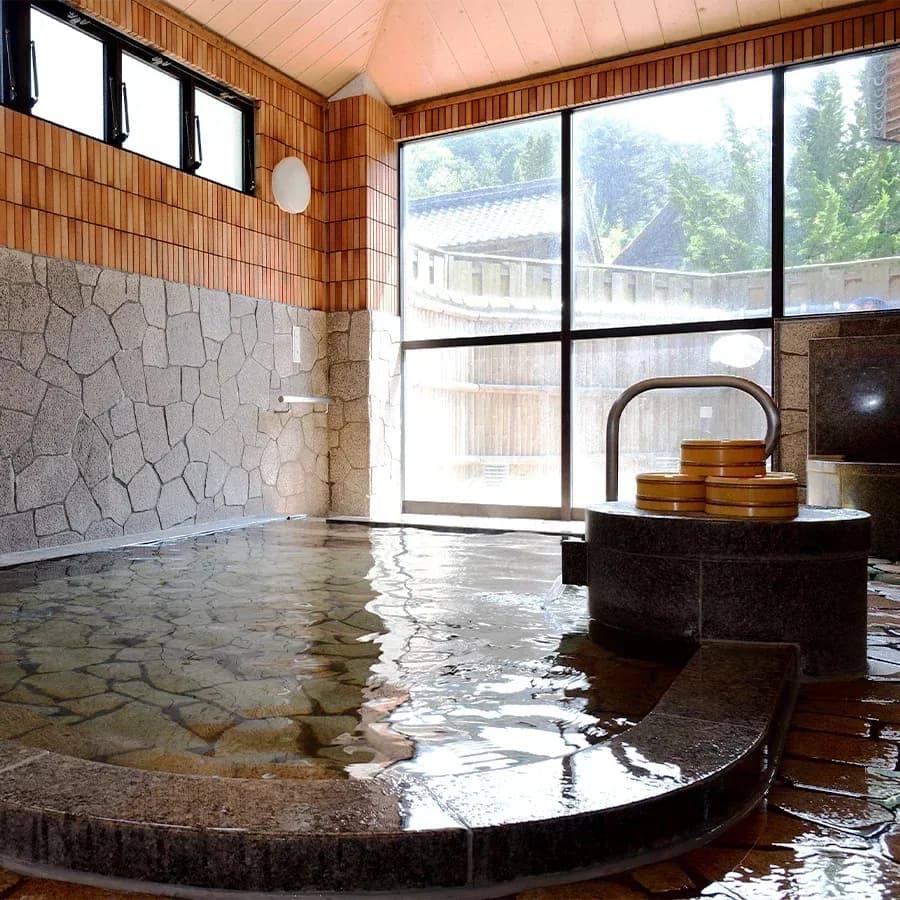
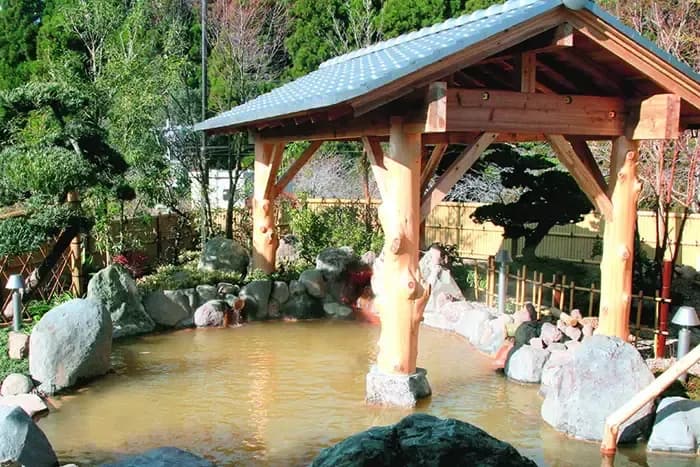
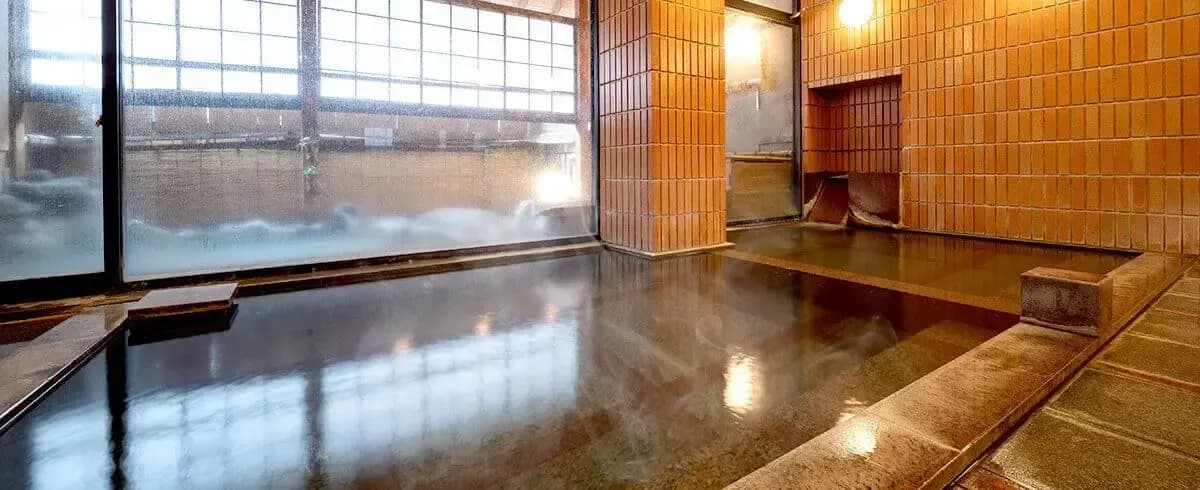
Tosen Goshobo is the oldest inn in Arima Onsen, founded in 1191 during the Kamakura period under the name Yuguchiya. For over 830 years, this storied establishment has preserved the bathing culture of one of Japan''s most celebrated hot spring towns. Historical records indicate that notable figures such as Ashikaga Yoshimitsu and Toyotomi Hideyoshi visited the inn to enjoy its renowned waters, making Goshobo a living embodiment of Arima Onsen''s rich heritage. The inn stands at the heart of the Arima hot spring district in Kita Ward, Kobe City, where traditional architecture and contemporary aesthetics merge into a distinctive atmosphere. The hallmark of Goshobo is its access to Arima''s legendary Kinsen, or golden spring. Classified as an iron-containing sodium chloride strong salt spring, the water boasts a salinity approximately 1.5 times that of seawater, placing it among the most mineral-rich hot springs in Japan. The source temperature exceeds 90 degrees Celsius, with a near-neutral pH of approximately 6.6. When the water first emerges from deep underground, it is entirely colorless and transparent. Upon contact with air, the dissolved iron rapidly oxidizes, transforming the water into its signature brownish-gold hue. This natural color-changing process is the origin of the Kinsen name and remains the defining characteristic of Arima Onsen. Delivered as 100 percent free-flowing source water, the spring offers exceptional heat retention and moisturizing properties, with recognized therapeutic benefits for blood circulation, neuralgia, joint pain, cold sensitivity, and various skin conditions. The main bath, known as Kingozen, features a distinctive semi-open-air and semi-mixed bathing design that allows guests to take in the changing scenery of each season while soaking in the golden waters. The entire bathing area reflects a unified aesthetic vision created by the artist Kosuke Watanuki, who skillfully combined ceramics and natural stone to produce a space where art and hot spring culture converge. Private baths are also available for those who prefer a more intimate experience, priced at 9,900 yen for 60 minutes or 13,200 yen for 90 minutes. Day-trip bathing is offered at 2,175 yen per adult, with an additional 75-yen bathing tax, and is available from 11:00 to 15:00. For overnight guests, the inn serves yamaga cuisine that showcases the finest seasonal ingredients from Hyogo Prefecture, including produce from the Tamba region and seafood from the Seto Inland Sea. Each of the 16 guest rooms has its own individual character, providing a tranquil Japanese-style retreat. Check-in begins at 15:00, check-out is at 10:00, and rates start from 39,800 yen per person for one night with two meals based on double occupancy. The inn is conveniently located just a five-minute walk from Kobe Electric Railway Arima Onsen Station and directly in front of the Hankyu Bus Arima Onsen Terminal, with the journey from JR Sannomiya Station taking approximately 30 minutes by bus. The autumn foliage season and winter snowscape period are particularly popular, and early reservations are strongly recommended.
View detail page

3. Nanakama Onsen Yu-raku-kan (Shinonsen-cho, Mikata-gun, Hyogo)

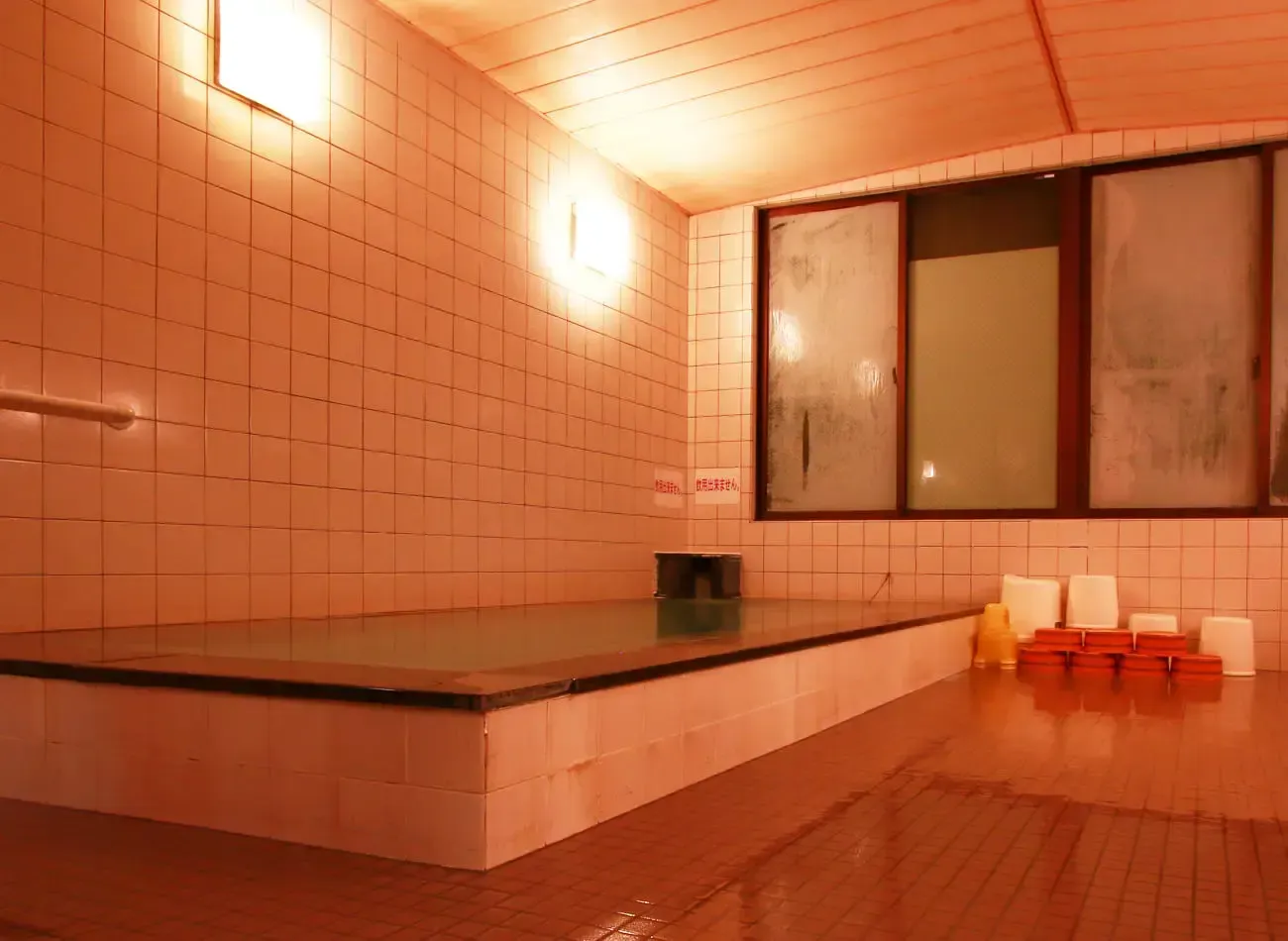
Shichikama Onsen Yu-raku-kan is a day-trip bathing facility situated in the Shichikama district of Shin-Onsen Town, Mikata District, Hyogo Prefecture. It forms part of the Hamasaka Onsen District, which holds the distinction of being the first area in Hyogo Prefecture to receive the national designation as a health resort hot spring zone. The facility draws its water from a sodium-calcium sulfate spring (hypotonic, neutral, high-temperature) with a source temperature of 50.4 degrees Celsius, and delivers this water to all 10 bathtubs and the footbath as 100 percent free-flowing source water -- with absolutely no recirculation, dilution, or artificial heating. This uncompromising commitment to water purity places Yu-raku-kan among the most authentic onsen experiences in the San-in region. The spring is locally known as the ''no-kotatsu-needed onsen,'' a nickname that speaks to its extraordinary heat-retention properties. The sodium and calcium sulfate minerals in the water form a thin saline film on the skin''s surface after bathing, which acts as an insulating layer that prevents body heat from dissipating. Even during the cold winter months, bathers find that they remain comfortably warm for hours after leaving the tub, often without needing any additional heating. The therapeutic indications of the spring include neuralgia, muscle pain, chronic digestive ailments, hypertension, chronic gynecological conditions, burns, and general health promotion, making it a valued resource for both visitors and local residents alike. The bathing facilities at Yu-raku-kan are remarkably diverse for a day-trip establishment. The indoor section features a substantial stone bath and an aromatic cypress wood bath, while the outdoor area showcases the signature large cauldron-shaped bath -- a playful nod to the ''seven cauldrons'' referenced in the Shichikama place name. A separate pot-style bath and a private multi-purpose bath (available for 45 minutes at 2,400 yen for up to three adults) round out the options, accommodating families and couples who prefer a more intimate setting. Beyond the baths, the facility houses a spacious 32-tatami-mat Japanese-style rest room where guests can relax after bathing, as well as a natural environment exhibition hall that provides educational displays on the region''s ecology and wildlife. The Shichikama area is a fishing village community close to the Sea of Japan coast, renowned for its access to exceptionally fresh seafood. The peak season runs from November through March, when matsuba crab (snow crab) is harvested from the cold waters offshore, and the surrounding minshuku guesthouses and restaurants serve the catch of the day in preparations ranging from sashimi to hot pot. A free footbath called ''Shirasagi no Yu'' is maintained near the facility, offering a casual way to sample the spring water during a stroll through the village. Yu-raku-kan operates from 9:00 to 22:00 (last admission at 21:30), with admission priced at a reasonable 700 yen for adults and 400 yen for children. The facility closes on the first and third Wednesdays of each month, though it remains open when these dates fall on national holidays.
View detail page

4. Konda Yakushi Onsen Nukumori no Sato (Tanba Sasayama, Hyogo)

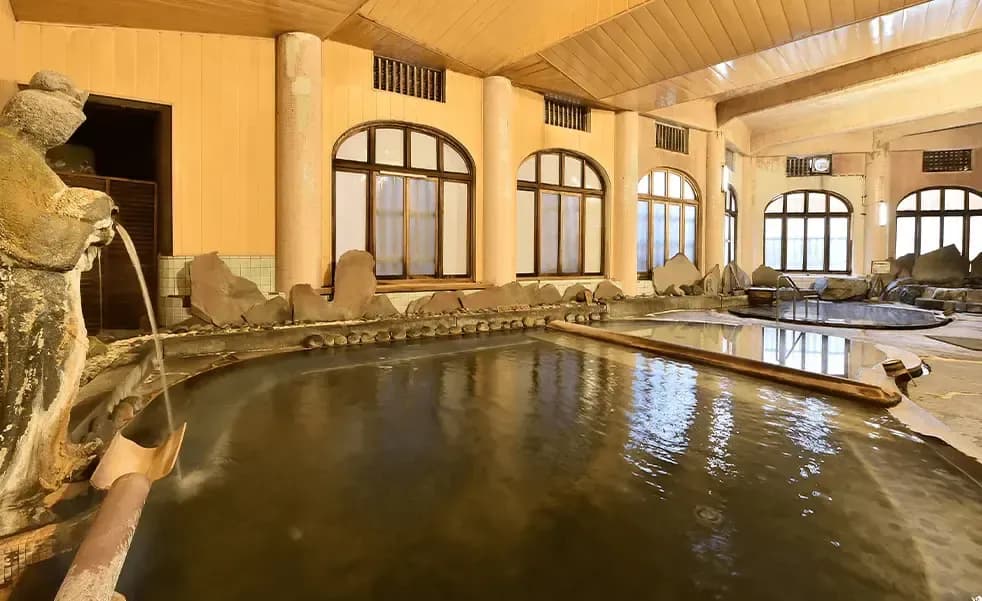
Konda Yakushi Onsen Nukumori no Sato is a day-trip natural hot spring facility situated in the pastoral countryside of Konda-cho, Tanbasasayama City, Hyogo Prefecture. The facility owes its existence to a regional development initiative launched in 1995 by the former Konda Town, which commissioned a hot spring drilling project that successfully struck water in 1999 after boring 1,300 meters underground. The facility''s name references the Yakushi Nyorai (Medicine Buddha) hill that has been protected by local residents since ancient times, at the foot of which the spring was discovered. The word nukumori, meaning warmth, carries a dual significance: the physical warmth of the waters and the human warmth of the community that brought the facility to life. The water is classified as a weakly radioactive sodium-calcium chloride spring with a source temperature of approximately 30 degrees Celsius and a mildly alkaline pH of 8.22. The spring contains radon, a relatively rare mineral component among Kansai hot springs. Delivered as free-flowing source water, multiple bath temperatures are available at 31, 39, and 42 degrees Celsius, allowing visitors to choose their preferred intensity. The spring has high heat retention and moisturizing properties, with an impressive 24 officially approved therapeutic indications including neuralgia, muscle pain, joint pain, gout, and arteriosclerosis. The lower-temperature source bath allows bathers to slowly absorb the beneficial effects of radon, while alternating between the cool and hot baths promotes enhanced blood circulation. The facility''s principal attraction is its two distinctive main bathing areas. The Tamba Pottery Ceramic Bath makes extensive use of Tamba Tachikui-yaki pottery, one of Japan''s Six Ancient Kilns, with ceramic tiles covering the tubs, outdoor bath flooring, and wall surfaces. The warm, tactile quality of the pottery creates a uniquely pleasant sensation against the skin. The Tamba Stone Bath, by contrast, features locally quarried Tamba stone that lends the space a sense of solidity and calm. These two bathing areas alternate between men and women on a weekly basis, rewarding repeat visitors with the opportunity to experience both designs. The outdoor baths command panoramic views of the Tanbasasayama satoyama landscape, and the facility also includes a sauna and private baths. The grounds feature a farmers'' market and food processing facility where visitors can purchase renowned Tanbasasayama specialties such as black soybeans, chestnuts, mountain yams, and Tamba matsutake mushrooms. The on-site restaurant serves meals that highlight these local ingredients. A large free parking lot accommodating 350 vehicles makes the facility well suited for families and group outings. Operating hours are 10:00 to 21:00 with last admission at 20:30, and the facility is closed every Tuesday except when it falls on a national holiday. Access is approximately 15 kilometers from Maizuru-Wakasa Expressway Sanda-Nishi IC, or about 25 minutes by Shinki Bus from JR Fukuchiyama Line Aino Station. The autumn Tanbasasayama Gourmet Festival period draws especially large crowds, so morning visits are recommended during that season.
View detail page

5. Kuwatani Onsen Kisumino no Sato (Ono, Hyogo)

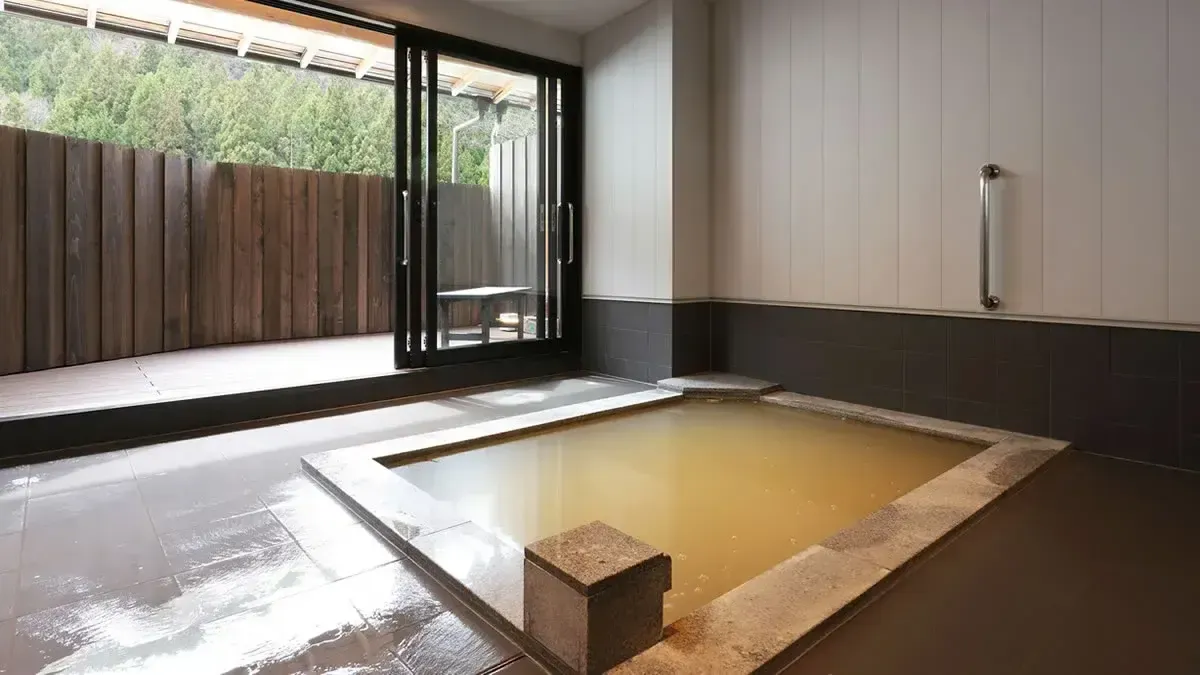
Kuwatani Onsen Kisumino no Sato is a small, intimate hot spring facility tucked away at the foot of the Ono Alps in Ono City, Hyogo Prefecture, bearing the evocative nickname of The Last Hidden Hot Spring of Kansai. Its history stretches back to 1582 during the Tensho period, giving it a heritage of more than 440 years. The source spring, known as Shio no I or Salt Well, is a cold mineral spring of sodium chloride type containing iron and magnesium, with a source temperature of just 14 to 16 degrees Celsius. For centuries, local residents have passed down accounts of its medicinal properties, establishing it as a revered therapeutic spring in the region. The most distinctive characteristic of the source water is its remarkable color transformation. When it first emerges, the water is completely colorless and transparent, but as time passes the iron content oxidizes and the water takes on a distinctive rusty color. The highly saline source water is heated and delivered as free-flowing spring water, leaving the skin with a noticeably smooth and moisturized feel upon contact. During the early Taisho era, the opening of the Banshu Railway brought prosperity to the area as ryokan inns clustered around the spring, but the hot spring district gradually declined over the decades, and the last facility closed its doors in 2010. Thanks to persistent demand from local residents and hot spring enthusiasts across the region, Ono City provided support to revive the tradition, and the facility was successfully reopened in May 2018 as the public bathing facility Kisumino no Sato. The facility is housed in a single-story Japanese-style wooden building featuring separate rock baths for men and women. With a maximum capacity of only six bathers per side, the intimate scale of the facility is precisely what creates its distinctive hideaway character and offers each visitor a sense of exclusivity. Both indoor and outdoor baths are available, allowing guests to soak while taking in views of the surrounding Ono Alps greenery. Admission is affordably priced at 800 yen for adults and 400 yen for children. The on-site soba restaurant Pratto Kisumino serves authentic handmade soba noodles prepared with locally sourced buckwheat flour, making it possible to enjoy the flavors of the Harima region alongside the bathing experience. The facility is open from 11:00 to 20:00, Thursday through Monday, and is closed on Tuesdays and Wednesdays. Access by car takes approximately 15 minutes from the Sanyo Expressway Miki-Ono IC via Route 175, while those using public transport can reach the facility in about a 10-minute walk (735 meters) from JR Kakogawa Line Onomachi Station. Free parking is available with 6 spaces in the first lot and 13 in the second, totaling 19 spaces, though large buses cannot be accommodated. Due to the small scale of the facility, admission may be restricted during peak times, so visits on weekdays or shortly after opening are recommended for a more relaxed experience. Combining a visit with hiking in the Ono Alps has become a popular day-trip itinerary.
View detail page

6. Kurokawa Onsen Bijin no Yu (Asago, Hyogo)

Kurokawa Onsen Bijin-no-Yu (Beauty Hot Spring) is a day-trip bathing facility tucked deep within the Ikuno Gorge of Asago City, Hyogo Prefecture, at the base of Kurokawa Dam. The hot spring water emerges from the flower garden of the adjacent Daimyoji Temple, a venerable Zen temple founded in 1367 by the monk Getsu-an from Mino Province. There is a distinctive charm to bathing in waters that rise from the grounds of a temple with centuries of history. The spring is classified as an alkaline simple hot spring, characterized by its abundant hydrogen carbonate ion content, which gives the water its renowned skin-smoothing properties and has earned it the name Bijin-no-Yu, or Beauty Hot Spring. The source temperature is 26.3 degrees Celsius, qualifying it as a natural hot spring under the Japanese Hot Spring Act''s 25-degree threshold. The flow rate is 16 liters per minute, and the water is heated before being delivered in a free-flowing (kakenagashi) system rather than a recirculated one. This free-flowing approach ensures that bathers are always immersed in fresh spring water, which is a significant quality advantage. The alkaline water gently dissolves old surface skin cells during bathing, leaving a silky-smooth texture on the skin after soaking. The spring is recognized for therapeutic benefits including neuralgia, muscle pain, joint pain, frozen shoulder, chronic digestive ailments, cold sensitivity, and fatigue recovery. The facility comprises both indoor and outdoor baths, with the outdoor bath offering a particularly exceptional vista. The sheer rock faces of the Ikuno Gorge, the murmuring stream below, and the lush canopy of trees overhead combine to create a landscape that captivates visitors in every season, from the vivid fresh greenery of spring to the fiery autumn foliage. Soaking in the natural hot spring surrounded by the pure air of the gorge provides a profoundly restful escape from the noise of daily life. An on-site restaurant serves dishes prepared with locally sourced ingredients, and a rest area is available for leisurely post-bathing relaxation. Kurokawa Onsen pairs well with visits to nearby historical attractions. The famed Takeda Castle Ruins, often called the castle in the sky, and the Ikuno Silver Mine, once among Japan''s most productive silver mines, are both located within easy reach. Access is available by Shinki Green Bus from JR Bantan Line Ikuno Station (approximately 40 minutes to the terminal stop), or by car approximately 17 kilometers from Ikuno Ramp on the Bantan Renrakudo Expressway. Free parking accommodates 50 vehicles. Operating hours vary by season, and the facility is closed on Wednesdays (open on national holidays). Nestled in a deep mountain gorge, Bijin-no-Yu is an ideal final destination for a journey through the natural beauty and history of the Tajima region.
View detail page

7. Yofudo Onsen (Asago, Hyogo)

Yofudo Onsen is a day-trip natural hot spring facility located in Santo-cho, Asago City, in the Tajima region of Hyogo Prefecture. Its name derives from the evocative local place name ''Mori Gokuraku,'' meaning ''Forest Paradise'' -- an apt description of the tranquil, wooded setting that surrounds the facility. The spring water is classified as an alkaline simple hot spring (mildly alkaline, hypotonic, low-temperature) with a source temperature of 27.2 degrees Celsius. While the water requires heating before it is suitable for bathing, its pH of 8.6 gives it a distinctly silky, skin-smoothing quality that has earned it recognition as a ''beauty spring.'' The most scientifically notable characteristic of Yofudo Onsen is its elevated radon content. Radon is a naturally occurring radioactive gas that, when absorbed through the skin or inhaled in trace amounts during bathing, is believed to stimulate cellular metabolism, enhance immune function, and alleviate pain -- a phenomenon known as the ''hormesis effect.'' This property places Yofudo Onsen in the same therapeutic category as renowned radon springs such as Misasa Onsen in Tottori Prefecture and the radioactive springs of Arima Onsen. The list of therapeutic indications is extensive, encompassing neuralgia, muscle pain, joint pain, frozen shoulder, motor paralysis, joint stiffness, bruises, sprains, chronic digestive disorders, hemorrhoids, cold sensitivity, post-illness convalescence, fatigue recovery, and general wellness promotion. The bathing facilities feature two distinctly styled outdoor baths that offer contrasting aesthetic experiences. One is a refined, geometric bath constructed from polished mikage-ishi granite, while the other is a more rustic composition of natural boulders arranged to evoke a mountain stream setting. The indoor bathing area is equipped with jet baths that combine the mineral benefits of the spring water with hydrotherapy massage, as well as a dry sauna for visitors who wish to incorporate alternating hot-and-cold bathing routines. An on-site restaurant serves regional cuisine prepared with locally sourced Tajima ingredients, encouraging guests to extend their visit beyond bathing and enjoy a full half-day of relaxation. A particularly appealing feature for budget-conscious visitors is the ''One Coin Day'' promotion, held on the 10th, 20th, and 30th of each month, when adult admission drops from the standard 800 yen to just 500 yen. Operating hours run from 11:00 to 21:00, with closures on the third Thursday of each month (shifted to the following day when the Thursday falls on a national holiday). The facility provides free parking for 80 vehicles and is conveniently located just 10 minutes by car from the Wadayama interchange on the Bantan Expressway. The surrounding area is rich in sightseeing opportunities: Takeda Castle Ruins, often called the ''Castle in the Sky'' for its stunning cloud-sea panoramas, and the historic Ikuno Silver Mine are both within easy driving distance, making Yofudo Onsen an ideal base for combining hot spring bathing with a day of Tajima region exploration. The outdoor baths are especially rewarding in spring, when fresh greenery blankets the hills, and in autumn, when the surrounding mountains blaze with red and gold foliage.

View detail page

8. Shiota Onsen Yumoto Kamiyama Ryokan (Himeji, Hyogo)

Shiota Onsen Yumoto Ueyama Ryokan is a traditional Japanese inn founded in 1874 (the seventh year of the Meiji era), situated in the Yumesakicho Shiota district of Himeji City, Hyogo Prefecture. It was the first inn established in the Shiota Onsen area, which is poetically known as ''the inner parlor of Harima Himeji,'' and the family has continuously maintained the source spring ''Shiogatani Kosen'' -- a cold mineral spring that has flowed without interruption for over 300 years. Positioned in the upper reaches of the Yumesaki River valley and enveloped by mountains that shift with the seasons, the inn sits just 30 minutes by car from Himeji Castle yet feels entirely removed from urban life. The spring water possesses a relatively rare chemical composition: carbon dioxide-containing sodium chloride-bicarbonate spring, with a source temperature of 17.4 degrees Celsius. As a cold mineral spring, the water is heated to a comfortable bathing temperature before use. The most distinctive quality of this spring is that it is drinkable. When tasted, the water reveals a subtle salinity accompanied by a gentle effervescence reminiscent of natural soda water -- a sensation produced by its dissolved carbon dioxide content. Carbon dioxide absorbed through the skin during bathing is understood to dilate peripheral blood vessels and improve circulation. The spring has been consumed orally for centuries as a remedy for gastrointestinal ailments, and a dedicated drinking fountain is provided within the inn. The smooth, mild flavor of the cold mineral water sets it apart from the metallic or sulfurous taste often associated with hot spring water. The bathing facilities encompass four distinct environments: a garden bath overlooking a meticulously maintained Japanese garden, a cypress wood bath where the natural fragrance of hinoki fills the room with a deeply calming aroma, an open-air bath exposed to the sky and surrounding hillsides, and a private open-air family bath for guests seeking seclusion. Each bath offers a different relationship with the landscape -- the garden bath frames cultivated beauty, while the open-air baths immerse visitors in the raw, unfiltered scenery of the valley. In spring, cherry blossoms drift across the water''s surface; in autumn, the surrounding canopy blazes with red and amber; and in winter, snow settles quietly on the rocks ringing the outdoor tubs, creating scenes of serene beauty. The culinary program at Ueyama Ryokan is an integral part of the experience. Kaiseki multi-course meals are prepared with carefully selected seasonal ingredients from the Harima region, balancing visual artistry with refined flavors. During the winter months, the inn''s signature botan-nabe -- a hot pot featuring wild boar meat sourced from the Tajima mountains -- draws particular acclaim for its rich, gamey depth. Day-trip visitors should note that drop-in bathing without a meal is not available; all day-trip plans include dining, with lunch plans starting at 11,000 yen, dinner plans at 13,200 yen, and a two-meal plan at 14,850 yen (all tax-inclusive, plus a 150-yen bathing tax). Overnight stays begin at 17,600 yen per person with two meals, with check-in from 15:00 to 18:00 and check-out at 10:00. A complimentary shuttle service from Himeji Station is available by reservation, ensuring accessibility for visitors arriving by public transportation.
View detail page

9. Natural Radium Onsen Taisanji Nadeshiko no Yu (Nishi-ku, Kobe, Hyogo)

10. Togayama Onsen Tennyo no Yu (Yabu, Hyogo)

---

## Summary — What to Know Before Exploring Hyogo's Hot Springs

The hot springs of Hyogo Prefecture can be efficiently explored by dividing them into three main areas.

Hanshin & Harima Area: Tosen Goshobo in Arima Onsen and Takedao Onsen are both accessible within one hour by train from Kobe or Osaka. A rewarding day trip can combine soaking in Arima's golden spring with hiking the abandoned railway trail and bathing in the gorge-side spring at Takedao. Taisanji Nadeshiko no Yu in Kobe's Nishi Ward offers a free shuttle bus from Gakuentoshi Station, making it an easy urban hot spring experience. Shiota Onsen pairs perfectly with a visit to Himeji Castle.

Tanba & Inland Harima Area: Konda Yakushi Onsen, Kuwatani Onsen, Kurokawa Onsen, and Yofudo Onsen are scattered across the mountains of the Tajima and Tanba regions. With a rental car, a 1-night/2-day itinerary covering Yofudo Onsen and Kurokawa Onsen in Asago City, then Konda Yakushi Onsen in Tanbasasayama, is entirely feasible. Kuwatani Onsen in Ono City is a rare hidden spring accessible by public transport — just a 10-minute walk from JR Kakogawa Line Onomachi Station.

Tajima & Sea of Japan Area: Yumura Onsen and Shichikama Onsen are both in Shin-Onsen Town, only about 15 minutes apart by car. After enjoying the "yugaki" boiling experience at Yumura's 98°C Arayu source, visitors can indulge in 100% free-flowing source water at Shichikama Onsen — a luxurious hot spring hopping experience. Togayama Onsen in Yabu City is conveniently located near Yoka-Hyonosen IC, making it a popular post-skiing stop in winter. During the winter season (November to March), combining matsuba crab dining with hot spring bathing in the Tajima area is the ultimate indulgence.

Note: Haga Onsen Fukaso permanently closed in April 2020, but natural radon hot spring bathing is still available at "Forest Station Haga" in the same Haga town area of Shiso City.

The information in this article (admission fees, operating hours, water quality data, etc.) is based on research conducted at the time of writing. Details may have changed or contain errors. Please verify the latest information on each facility's official website or through the local tourism association.

Recommended Hot Springs

Popular hot springs from Hitou Map

HomeMapSearchBlogMy Page