10 Best Hidden & Notable Hot Springs in Yamaguchi Prefecture — The Three Famous Springs of Boucho and the Waters That Inspired the Meiji Restoration
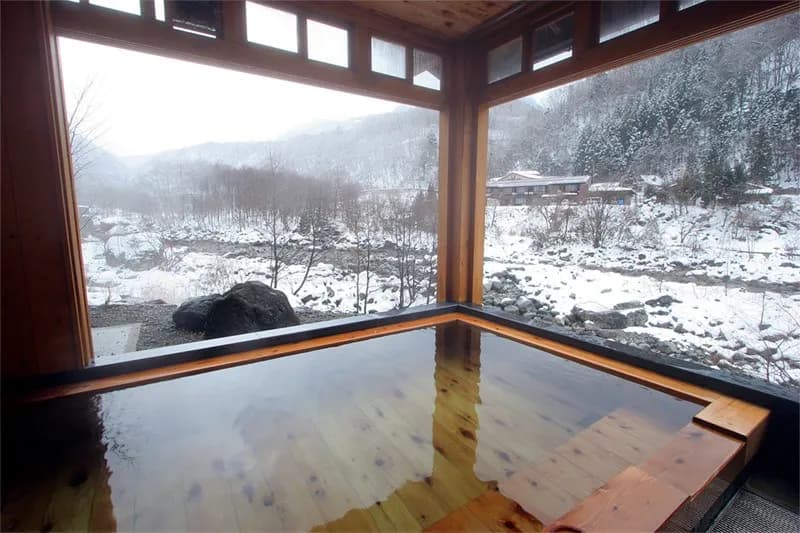
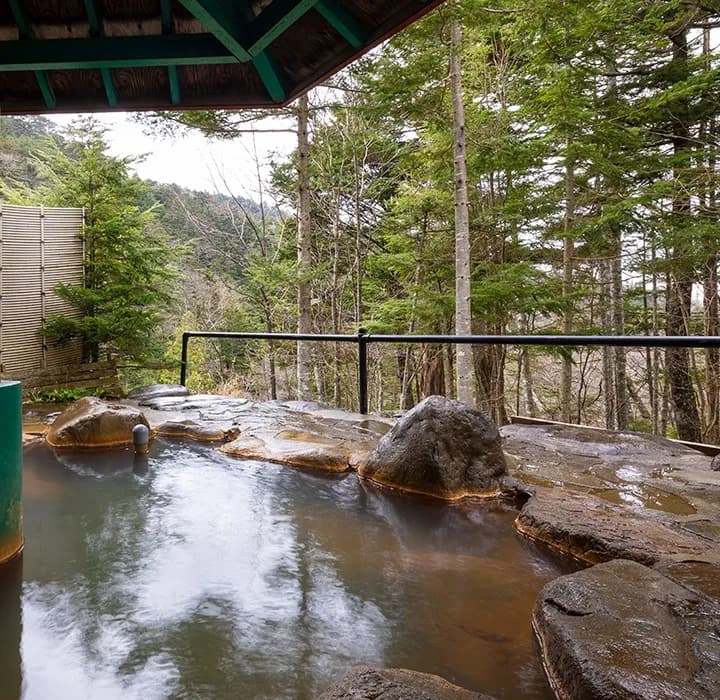
Yamaguchi Prefecture lies at the western tip of Honshu, gazing across the Kanmon Strait toward Kyushu. Its geography is remarkably varied: the Sea of Japan to the north, the Seto Inland Sea to the south, the Chugoku mountains to the east, and to the west the Akiyoshidai Plateau, one of the world's largest karst landscapes. Historically known as the Boucho region (the old provinces of Suo and Nagato), Yamaguchi was the cradle of the Meiji Restoration — Yoshida Shoin's Shoka Sonjuku academy in Hagi educated the men who would shape modern Japan, including Takasugi Shinsaku, Ito Hirobumi, and Katsura Kogoro. From this varied land flow hot springs of remarkably different character. Springs born of legends linking Empress Jingu and the monk Kukai, Yamaguchi's oldest hot spring discovered in the Muromachi period, the private bath of Choshu's lords, and beauty waters boasting western Japan's highest pH and richest radium content all coexist here. Of particular note are Nagato Yumoto, Yuda, and Kawatana, traditionally praised as the Three Famous Springs of Boucho. Tawarayama Onsen, designated a National Health Resort, preserves a rare Edo-period toji (therapeutic bathing) culture in which inns have no private baths and guests bathe at communal soto-yu. Here we present ten carefully chosen destinations across the Sea of Japan coast, the Seto Inland Sea, the karst country, and the quiet mountain villages that define this richly textured prefecture.
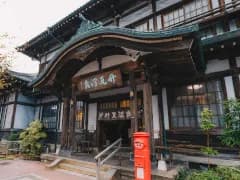
1. Nagato Yumoto Onsen Onto (Nagato City)

| Mon | Tue | Wed | Thu | Fri | Sat | Sun | Hol | |
|---|---|---|---|---|---|---|---|---|
| 10:00 - 22:00 | ◯ | ◯ | ◯ | ◯ | ◯ | ◯ | ◯ | ◯ |
| Mon | Tue | Wed | Thu | Fri | Sat | Sun | Hol | |
|---|---|---|---|---|---|---|---|---|
| 06:00 - 22:00 | ◯ | ◯ | ◯ | ◯ | ◯ | ◯ | ◯ | ◯ |
| Mon | Tue | Wed | Thu | Fri | Sat | Sun | Hol | |
|---|---|---|---|---|---|---|---|---|
| 11:00 - 14:00 | ◯ | ◯ | × | ◯ | ◯ | ◯ | ◯ | ◯ |
| Mon | Tue | Wed | Thu | Fri | Sat | Sun | Hol | |
|---|---|---|---|---|---|---|---|---|
| 11:00 - 21:00 | ◯ | ◯ | ◯ | × | ◯ | ◯ | ◯ | ◯ |
| Mon | Tue | Wed | Thu | Fri | Sat | Sun | Hol | |
|---|---|---|---|---|---|---|---|---|
| 11:00 - 20:00 | ◯ | ◯ | ◯ | ◯ | ◯ | 10:00-20:00 | 10:00-20:00 | 10:00-20:00 |
| Mon | Tue | Wed | Thu | Fri | Sat | Sun | Hol | |
|---|---|---|---|---|---|---|---|---|
| 10:00 - 21:00 | ◯ | ◯ | ◯ | ◯ | ◯ | ◯ | ◯ | ◯ |
| Mon | Tue | Wed | Thu | Fri | Sat | Sun | Hol | |
|---|---|---|---|---|---|---|---|---|
| 11:00 - 21:00 | ◯ | ◯ | ◯ | ◯ | ◯ | ◯ | ◯ | ◯ |
| Mon | Tue | Wed | Thu | Fri | Sat | Sun | Hol | |
|---|---|---|---|---|---|---|---|---|
| 10:00 - 21:00 | × | ◯ | ◯ | ◯ | ◯ | ◯ | ◯ | ◯ |
| Mon | Tue | Wed | Thu | Fri | Sat | Sun | Hol | |
|---|---|---|---|---|---|---|---|---|
| 09:00 - 21:00 | ◯ | ◯ | ◯ | ◯ | ◯ | ◯ | ◯ | ◯ |
In Summary
Yamaguchi's hot springs can be understood as falling into three broad geographic and historical zones. The northern Nagato-Hagi area along the Sea of Japan (Nagato Yumoto, Tawarayama, Yumen, Yuya Bay), the central Yamaguchi-Shunan area (Yuda, Yuno), and the western Shimonoseki area (Kawatana, Ichinomata), with Ofuku in Mine City to the north of the Akiyoshi karst, and Chidori on Suo-Oshima representing the Seto Inland Sea island side.
Northern Sea-of-Japan Itinerary
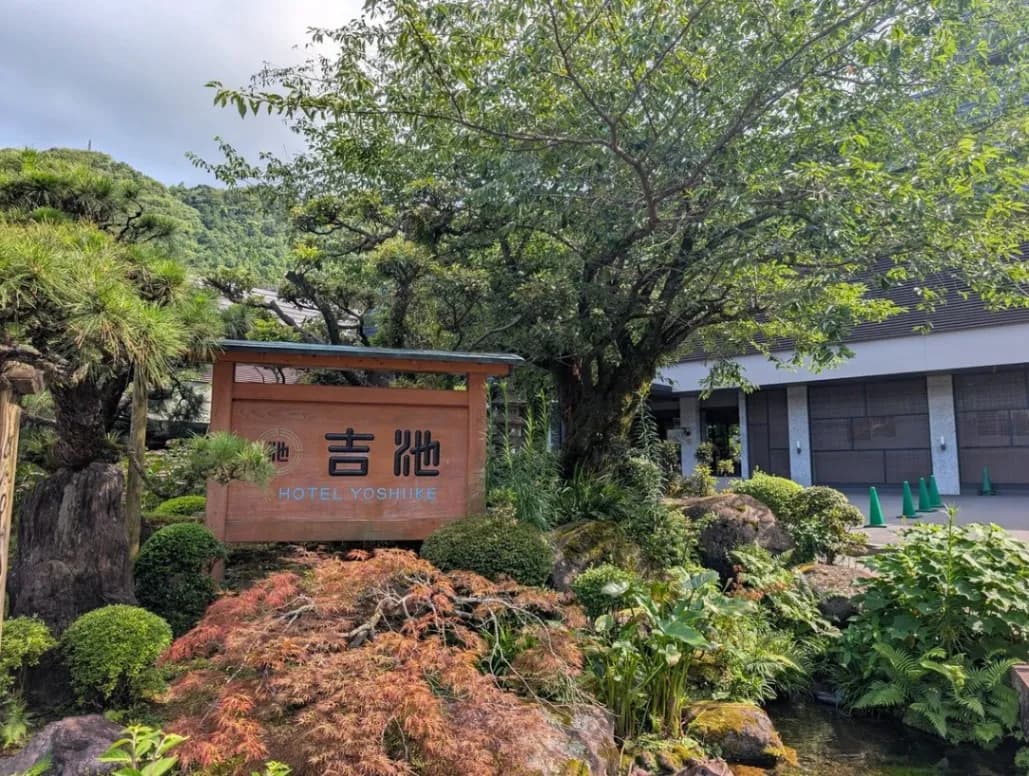
Stay one night at Nagato Yumoto Onsen and experience the foot-emergence waters of Onto in Yamaguchi's oldest hot spring. The next day, immerse yourself in the living external-bath culture of Tawarayama at Machinoyu, then continue on to Yumen's Usagi no Yu (just 350 yen) for one of western Japan's finest radium springs, and finish at Hotel Yokikan at Yuya Bay to soak as the sun sets over the Sea of Japan. This grand circuit of the Nagato peninsula pairs naturally with sightseeing at Hagi or Omijima Island.
Central Seto-Inland-Side Itinerary
Starting from Shin-Yamaguchi Station, stay at Matsudaya Hotel in Yuda Onsen and walk in the footsteps of the Meiji Restoration loyalists. The following day, savor the mountain-valley beauty waters of Houzanen at Yuno Onsen. Combine with a tour of historic sites in central Yamaguchi City, such as the five-storied pagoda of Rurikoji Temple.
Western Kanmon-Karst Itinerary
From Shimonoseki, stay at Tamatsubaki Ryokan in Kawatana — a Registered Tangible Cultural Property where you sleep within a piece of architectural heritage. The next day, retreat to the wilderness of Ichinomata Onsen, the Hidden Retreat of Kanmon. Pair with sightseeing at the Akiyoshidai karst plateau and Akiyoshido Cave, and stop at Ofuku Onsen Michinoeki Ofuku to soothe the fatigue of the drive in its reducing-power waters.
Island Itinerary
Easily added to a trip from Iwakuni or Hiroshima, Ryuzaki Onsen Chidori on Suo-Oshima offers something altogether different. Cross the Oshima Bridge, soak in the sepia-toned chloride waters, and take in the panoramic Seto Inland Sea views — an experience that overturns expectations of what a Yamaguchi hot spring journey can be.
Access Notes
Yamaguchi runs long from east to west, with five Shinkansen stations: Shin-Iwakuni, Tokuyama, Shin-Yamaguchi, Asa, and Shin-Shimonoseki. The northern Nagato-Hagi area is served mainly by the JR Mine Line and Sanin Main Line, but service is limited on some lines, so a rental car is highly efficient for visiting multiple springs. The Chugoku Expressway and Sanyo Expressway provide the principal road network, with Routes 316 (Mine to Nagato) and 191 (along the Sea of Japan coast) as key local arteries. Travel time from Mine IC to the Nagato or Yuya Bay area can exceed an hour, so allow a generous schedule. For Suo-Oshima, exit at Kuga IC and cross the Oshima Bridge, taking care to fuel up and shop before crossing if needed.
Seasonal Tips
A Yamaguchi hot spring journey peaks in winter (November to February), when the famed fugu blowfish of the Kanmon Strait comes into season. At Yumen Kanko Hotel and Hotel Yokikan, kaiseki menus feature Yamaguchi specialties such as fugu, Mi-Ran wagyu beef, and Choshu chicken. In late spring (late May to mid-June), Ichinomata is illuminated by wild fireflies; spring brings cherry blossoms to Hagi and Yuda; autumn brings vivid foliage to Akiyoshidai and the mountain valleys. Note that Hotel Yokikan at Yuya Bay closes from 15:30 to 18:00 on weekends and holidays — confirm in advance for day visits. Houzanen at Yuno is closed on Thursdays, Tamatsubaki Ryokan at Kawatana on Wednesdays, and Chidori at Ryuzaki on Mondays — be sure to check each facility's closure days before your trip.
The information in this article (admission fees, operating hours, hot spring data, etc.) is based on research at the time of writing. Errors or changes may occur. Please verify the latest information through each facility's official website or local tourism associations.