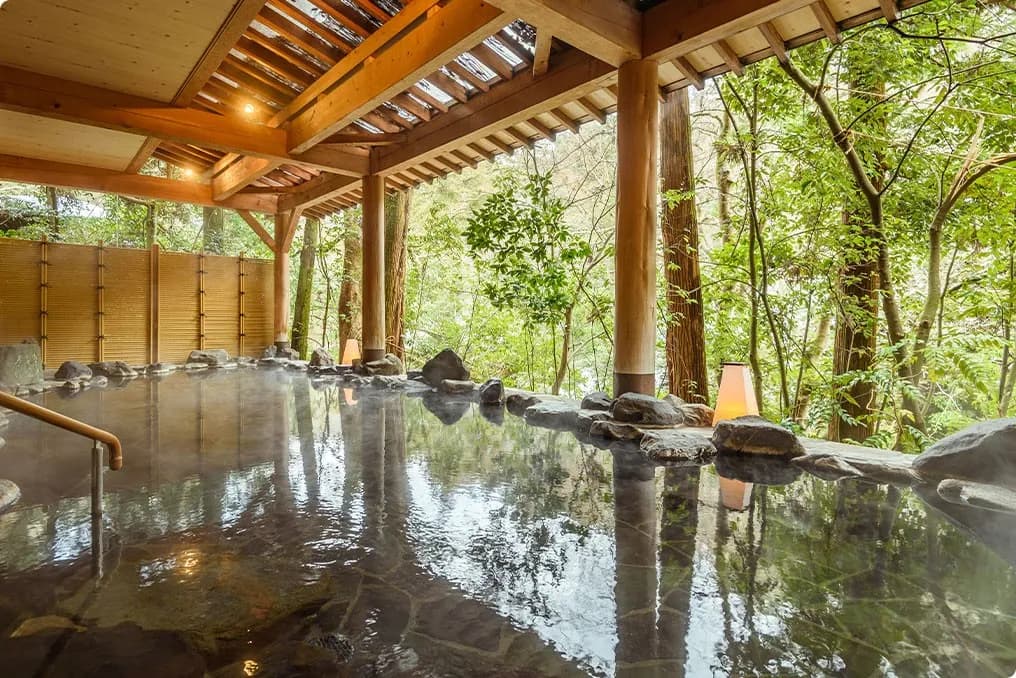
Hakone is one of the easiest onsen destinations to reach from Tokyo—roughly 85 minutes by train from Shinjuku—and one of the few where you can soak in centuries-old hot springs without staying overnight. This guide covers five long-established spring inns in the Hakone caldera, four of which welcome day bathers (higaeri nyuyoku, 日帰り入浴).
Hakone sits inside a large volcanic caldera. Around 3,000 years ago a collapse of Mt. Kamiyama carved out the scalded valley of Owakudani and dammed a river to form Lake Ashi. The volcanic heat below still feeds springs across the area. In the Edo period, seven of them—including Sokokura and Ashinoyu in this guide—were known together as the "Seven Hot Springs of Hakone" (Hakone Nanayu, 箱根七湯).
The waters vary by location: mild alkaline simple springs, chloride and sulfate springs, the sulfur-scented water of Ashinoyu, and the milky springs blended from the volcanic steam of Owakudani. The five inns below run roughly from Hakone-Yumoto up toward Lake Ashi and the Hakone Pass.
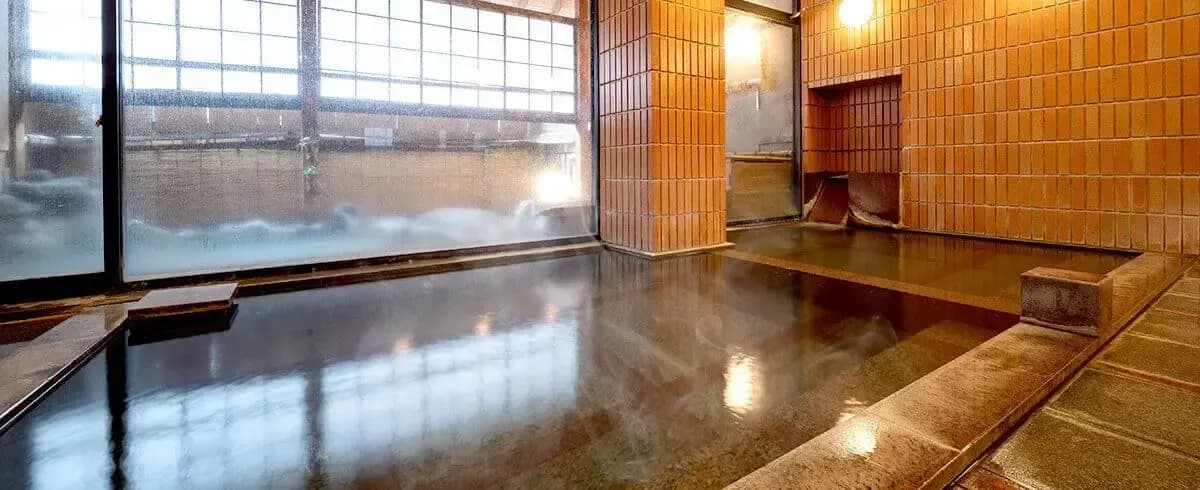
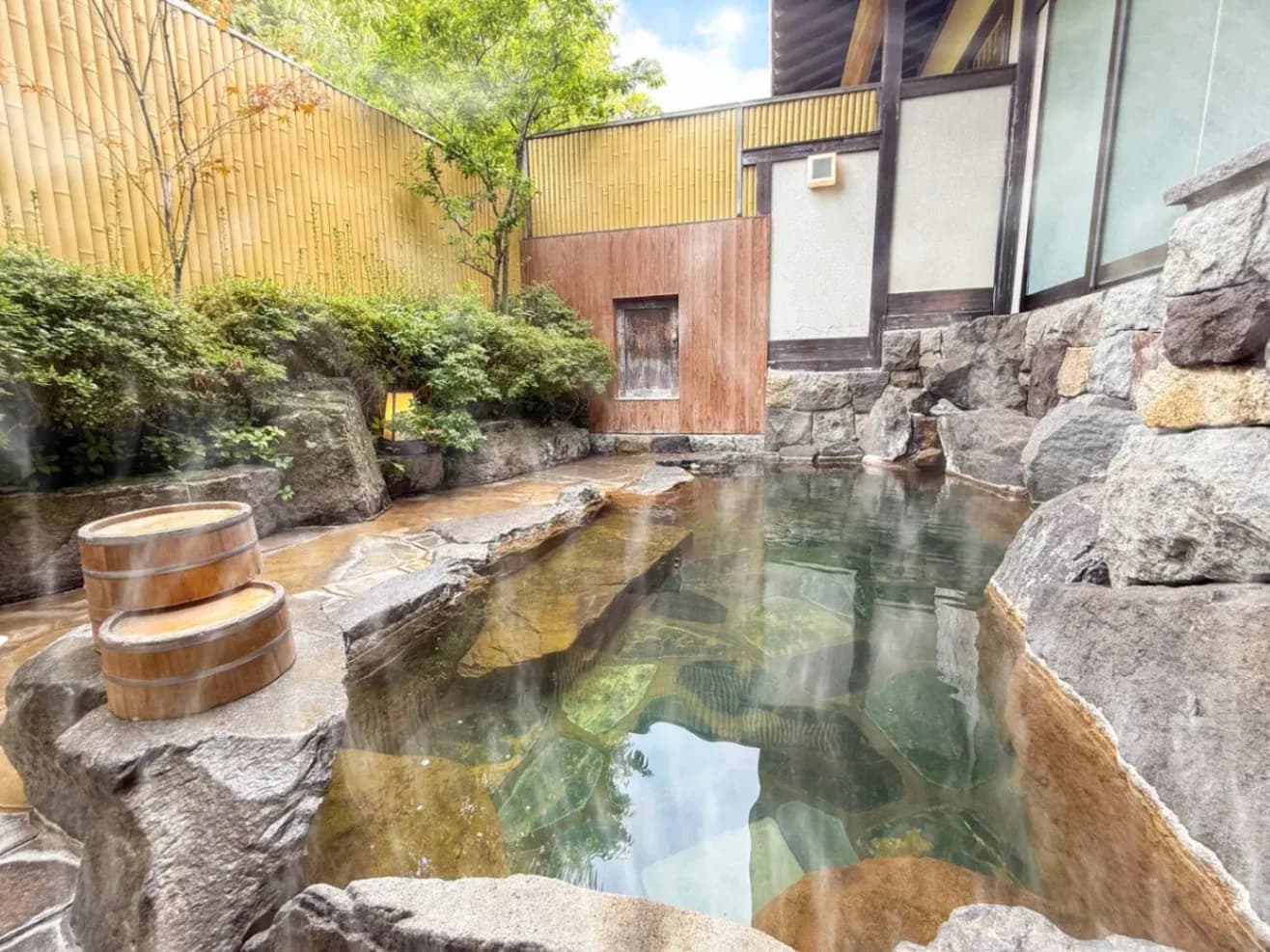
1. Sokokura Onsen Kanrei (底倉温泉 函嶺, Hakone, Kanagawa)

| Mon | Tue | Wed | Thu | Fri | Sat | Sun | Hol | |
|---|---|---|---|---|---|---|---|---|
| 10:00 - 16:00 | 10:00 - 16:00 | 10:00 - 16:00 | 10:00 - 16:00 | 10:00 - 16:00 | 10:00 - 16:00 | 10:00 - 16:00 | 10:00 - 16:00 | 10:00 - 16:00 |
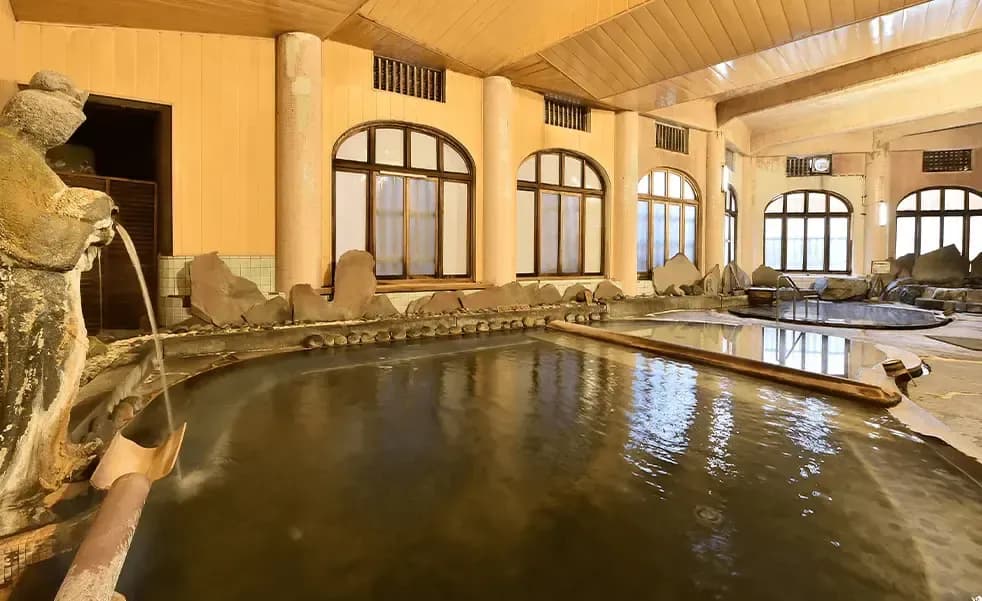
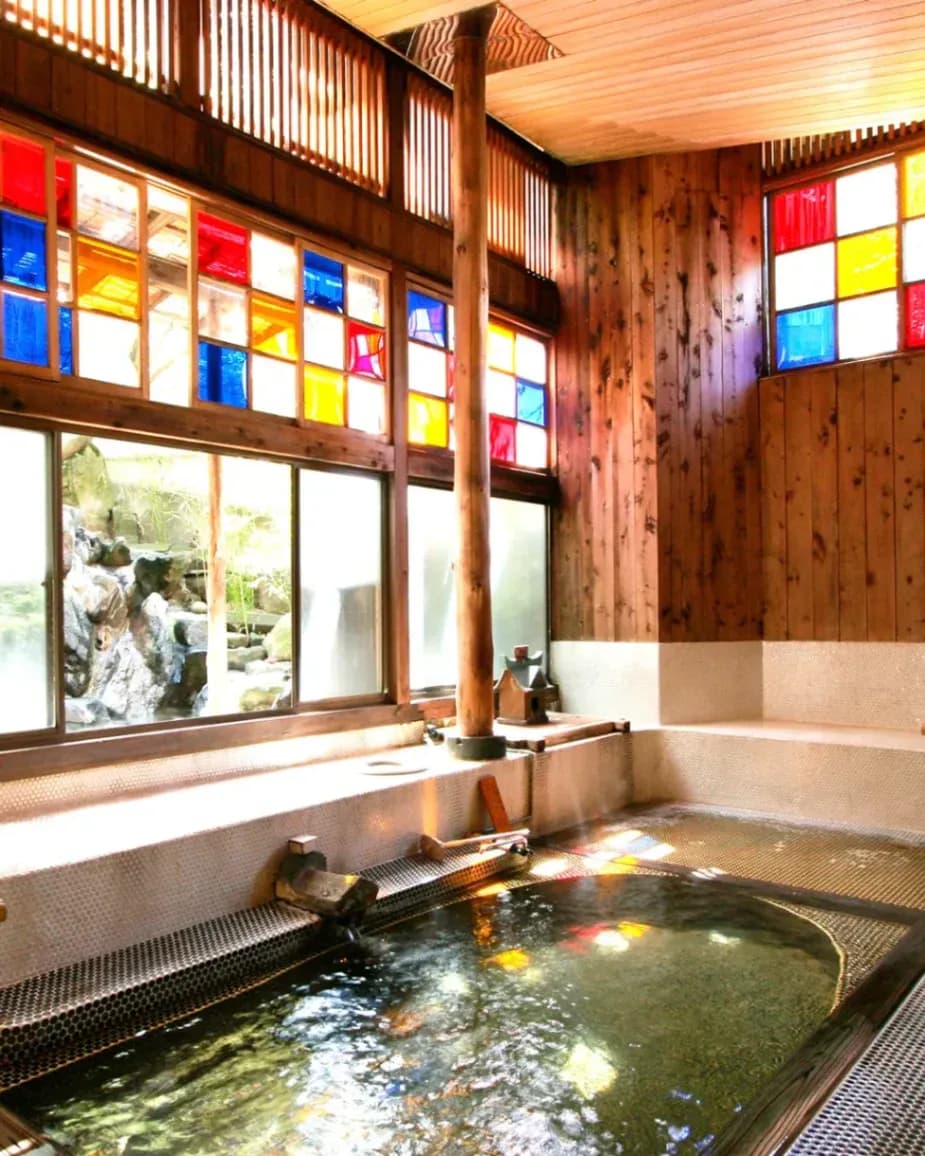
2. Ubako Onsen Shumeikan (姥子温泉 秀明館, Hakone, Kanagawa)
| Mon | Tue | Wed | Thu | Fri | Sat | Sun | Hol | |
|---|---|---|---|---|---|---|---|---|
| 10:00 - 17:00 | 10:00 - 17:00 | 10:00 - 17:00 | 10:00 - 17:00 | Closed | 10:00 - 17:00 | 10:00 - 17:00 | 10:00 - 17:00 | 10:00 - 17:00 |
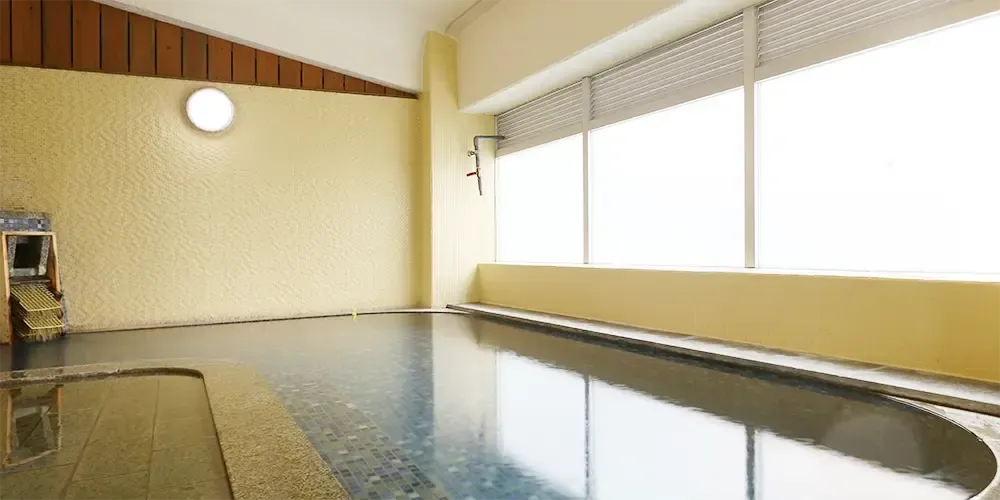
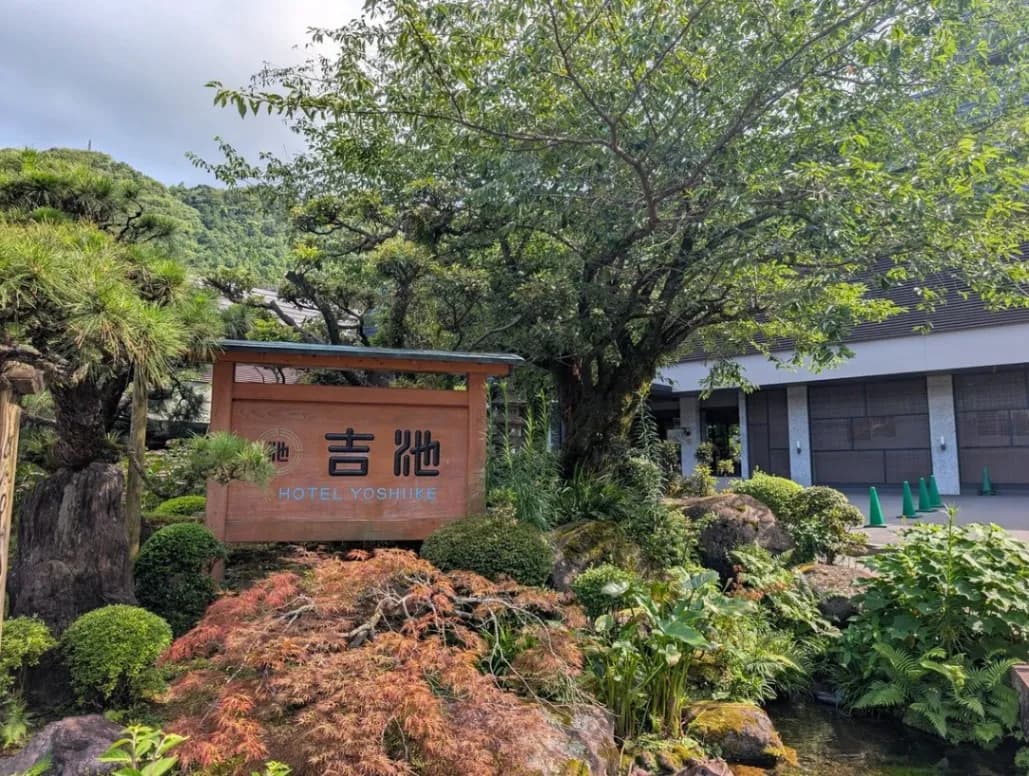
3. Yoshiike Ryokan (吉池旅館, Sengokuhara, Hakone, Kanagawa)
| Mon | Tue | Wed | Thu | Fri | Sat | Sun | Hol | |
|---|---|---|---|---|---|---|---|---|
| 13:00 - 22:00 | 13:00 - 22:00 | 13:00 - 22:00 | 13:00 - 22:00 | 13:00 - 22:00 | 13:00 - 22:00 | 13:00 - 22:00 | 13:00 - 22:00 | 13:00 - 22:00 |
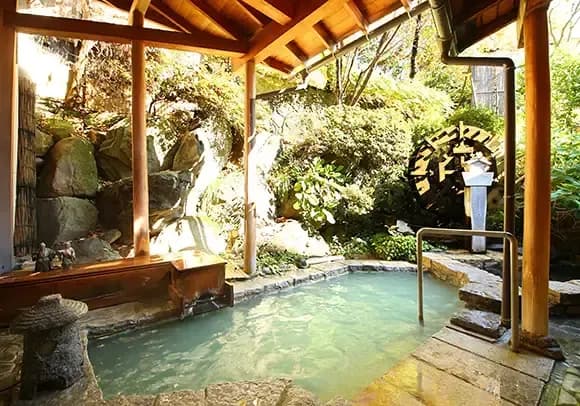
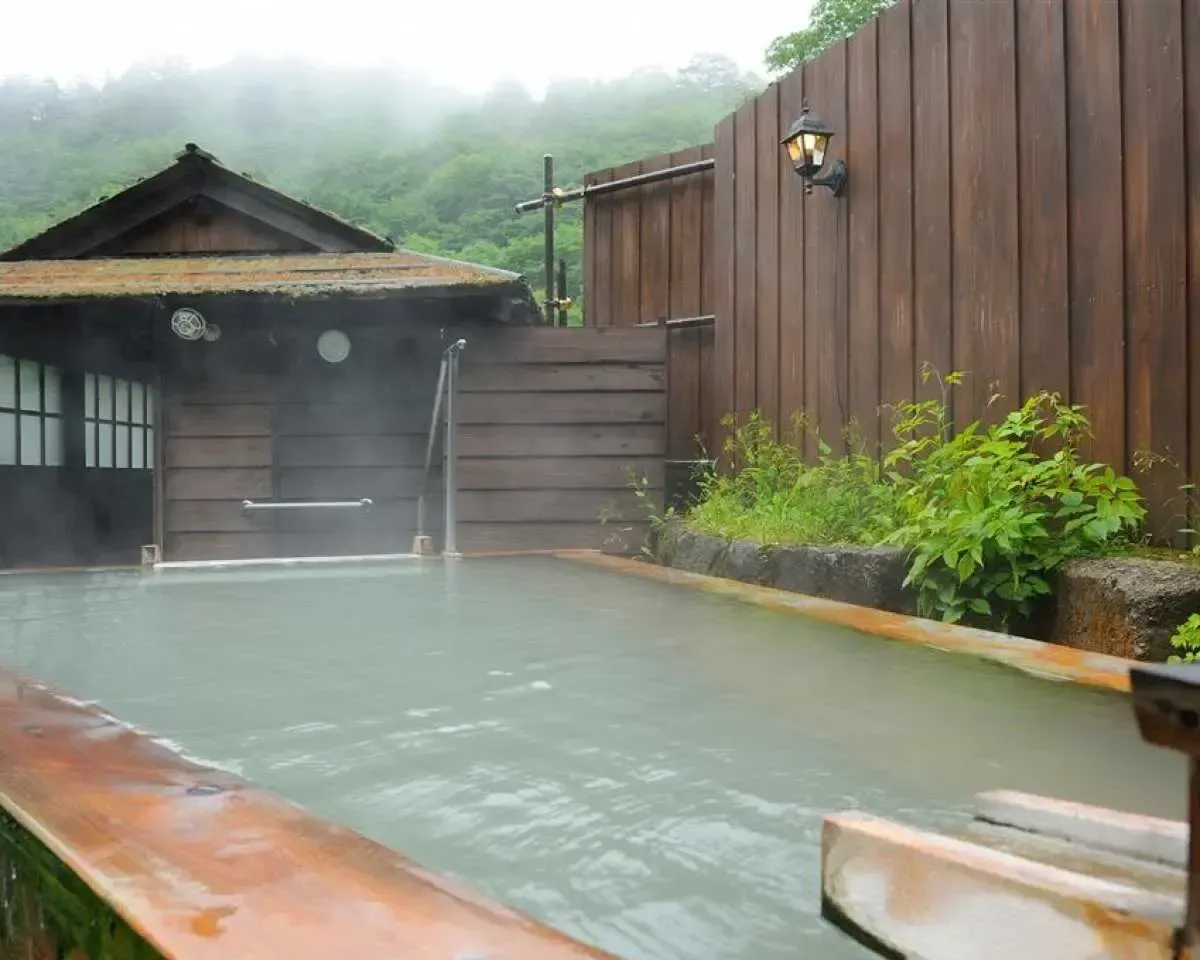
4. Ashinoyu Onsen Kinokuniya (芦之湯温泉 きのくにや, Hakone, Kanagawa)
| Mon | Tue | Wed | Thu | Fri | Sat | Sun | Hol | |
|---|---|---|---|---|---|---|---|---|
| 15:00 - 10:00 | 15:00 - 10:00 | 15:00 - 10:00 | 15:00 - 10:00 | 15:00 - 10:00 | 15:00 - 10:00 | 15:00 - 10:00 | 15:00 - 10:00 | 15:00 - 10:00 |
5. Ashinoyu Onsen Matsuzakaya Honten (芦之湯温泉 松坂屋本店, Hakone, Kanagawa)
Planning your visit
Hakone's spring areas are scattered inside and around the caldera. The simplest way to get around is the Hakone Free Pass, which covers the Hakone Tozan Railway, cable car, ropeway, Lake Ashi sightseeing boats, and local buses. Driving works too, but roads get busy on weekends and during the autumn foliage season. Access at Owakudani can be restricted depending on volcanic activity, so check service information before you set out.
Sokokura / Miyanoshita — Kanrei sits along the Hayakawa river gorge, an easy hop from Miyanoshita and Kowakidani, and accepts day bathers. It stands at one of the springs counted among the Edo-era Seven Hot Springs of Hakone.
Ubako / Owakudani — Shumeikan stands on high ground near Ubako Station on the ropeway. By legend the mountain hag who raised the boy-hero Kintaro washed his eyes here, and the spring was long known as a "water for the eyes." It channels naturally welling water into a large rock bath for day visitors, though hours and reservation rules can change—confirm before you go.
Sengokuhara — Yoshiike Ryokan is in Sengokuhara, famous for its silver-grass plateau. The inn has a large Japanese garden and offers day bathing, and its quiet highland setting pairs well with a trip to Owakudani or Lake Ashi.
Ashinoyu — Two inns from the old seven remain in Ashinoyu, on high ground toward Lake Ashi and the Hakone Pass. Kinokuniya accepts day bathers, and Ashinoyu is one of the few sulfur-scented springs in Hakone. Nearby Matsuzakaya Honten serves overnight guests only and does not offer day bathing—a spring to enjoy with a stay.
Day-bathing availability, hours, fees, and closing days can all change. Check each facility's official site or the Hakone Town Tourism Association before visiting.
FAQ
Are tattoos allowed at Hakone onsen?
Policies differ by facility and are not published for every inn listed here, so check ahead if you have tattoos. Where open bathing is not tattoo-friendly, a private or family bath (kashikiri) is often the practical option; some Hakone ryokan offer these for an extra fee.
Are the baths gender-separated? Can I wear a swimsuit?
Traditional onsen baths in Japan, including these, are gender-separated and entered nude—swimsuits are not worn. The facilities in this guide are classic spring baths rather than mixed swimwear pools. Rinse at the wash stations before entering the bath.
Do I need a reservation for a day-trip bath?
It depends. Some inns take walk-in day bathers during set hours, while spots like Ubako Onsen Shumeikan operate on more limited terms. Confirm the hours and whether booking is required before you go.
Can I get around Hakone without a car?
Yes. From Hakone-Yumoto Station, the Hakone Tozan Railway, cable car, ropeway, and local buses connect the main areas. The Hakone Free Pass covers these and makes trips to Ubako, Sengokuhara, and Ashinoyu easy to plan.
Is cash needed?
Smaller spring inns and day-bathing counters may accept cash only, though larger facilities increasingly take cards and IC. Carry some yen for entry fees, lockers, and towel rental to be safe.
Note: Details in this article (bathing fees, hours, spring data, etc.) are based on information at the time of research and may have changed. Please confirm the latest details on each facility's official website or with the local tourism association.