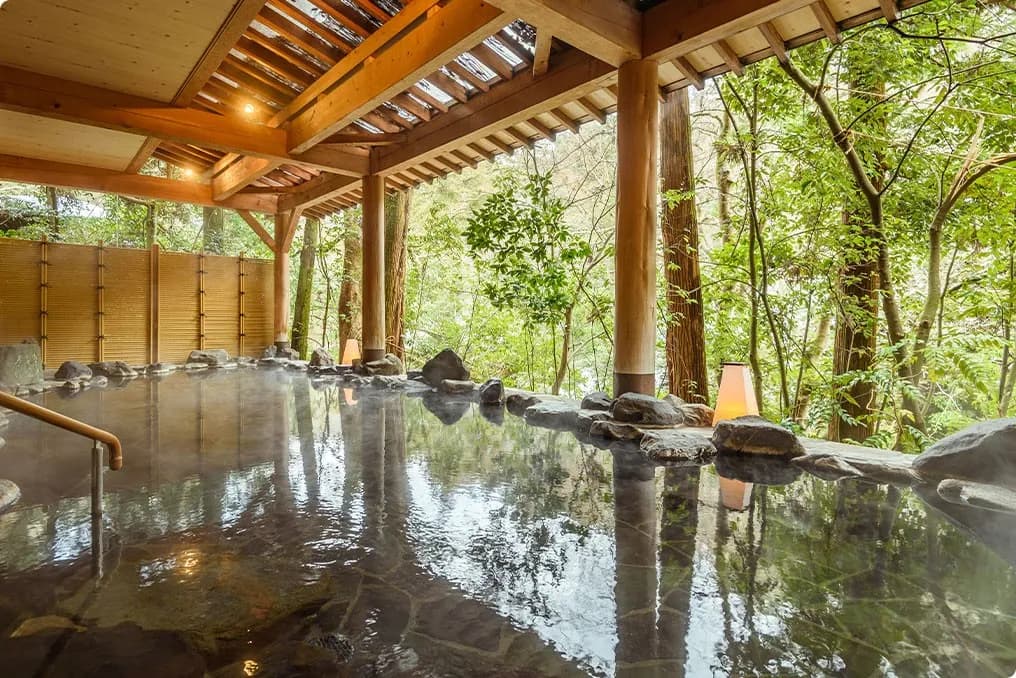
10 Hidden Hot Springs in Gifu: From Okuhida to the Slopes of Mount Ontake
Gifu's hot springs are a gift of the Hida Mountains, which fill the northern half of the prefecture. Two great massifs feed them: the Northern Alps, whose peaks rise above 3,000 meters, and the sacred solitary volcano of Mount Ontake. At the foot of each lie mountain-valley baths. The richest concentration is Okuhida Onsen-go on the southern flank of the Northern Alps, one of Japan's densest spring fields, with more than 140 sources. It gathers five hot-spring villages — Hirayu, Fukuji, Shinhirayu, Tochio, and Shinhotaka — scattered along the Gamata and Takahara river valleys.
The water is abundant because this land still sits in the arms of a living volcano. Yakedake in the Northern Alps is active, and its underground heat drives hot water into the surrounding gorges. The source at Yarimikan runs at 63°C, and the baths at Hirayu carry the smell of hydrogen sulfide. To the south, Nigorigo Onsen rises at 1,800 meters on the mid-slope of Mount Ontake — one of the highest hot-spring resorts in Japan, where simple sulfur water flows around the clock. In the Osaka valley on Ontake's western foot, the carbonated water of Yuya Onsen has long been known as a therapeutic drinking spring.
Hida's hidden springs are about more than water. The Fukuji area is one of Japan's notable fossil grounds, where sea creatures hundreds of millions of years old emerge from mountain strata. The gassho-zukuri thatched farmhouses and hoba-miso cooking of the region are products of this deep-snow country. Soaking here, you take in the geology underfoot and the mountain culture rooted in it at the same time. That double depth is the character of Gifu's hidden springs.
This guide gathers 10 places, centered on stay-over mountain inns, from Okuhida Onsen-go to the slopes of Mount Ontake. The overnight inns worth soaking in come first, followed by a few open-air baths you can drop into on the way.
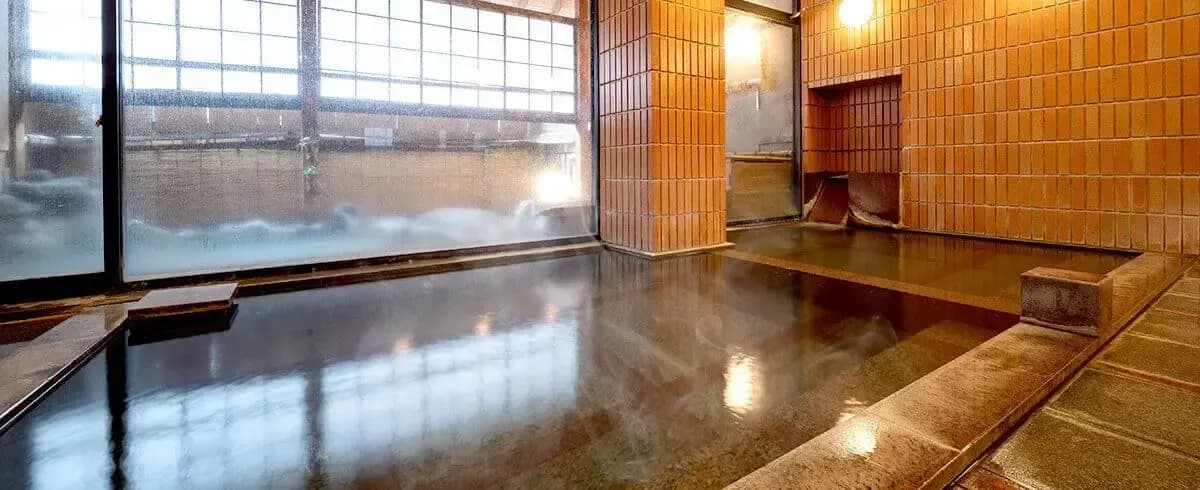
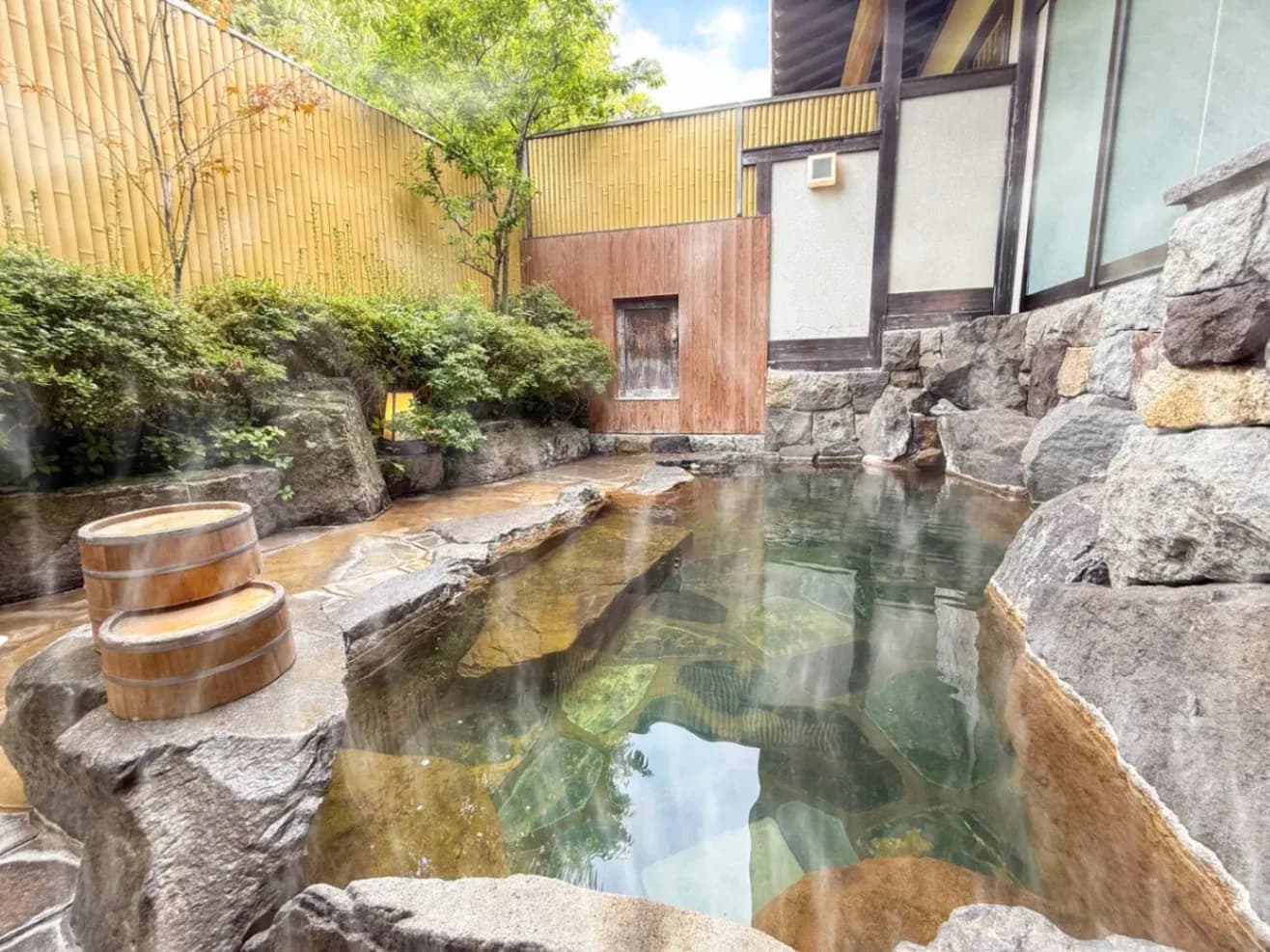
1. Shinhotaka Onsen Yarimi no Yu Yarimikan (新穂高温泉 槍見の湯 槍見館) — Takayama City
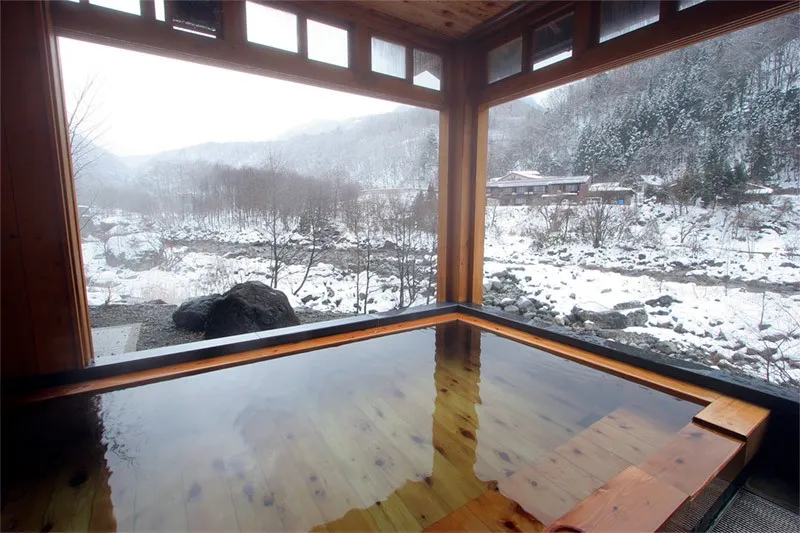
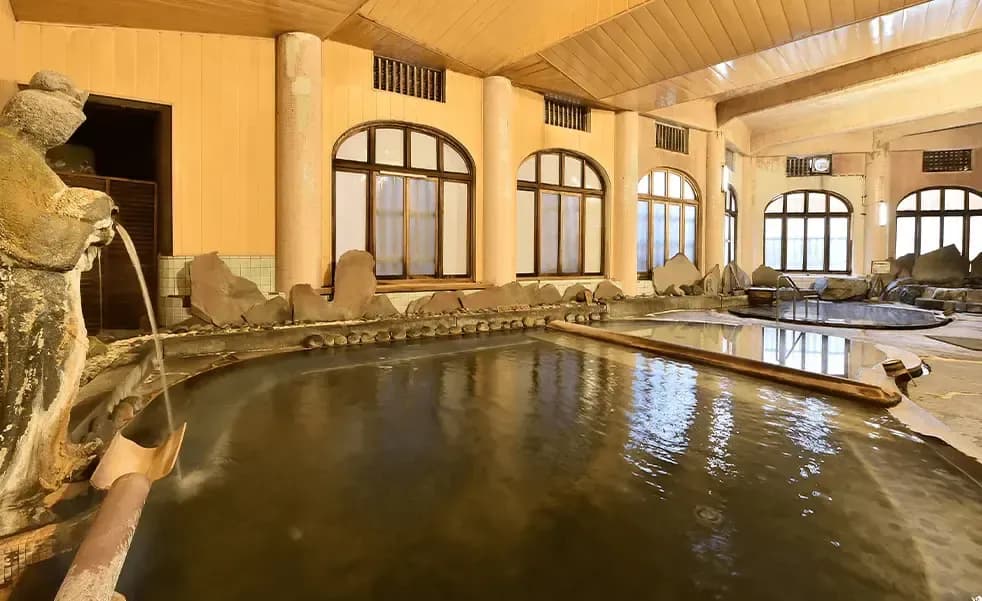
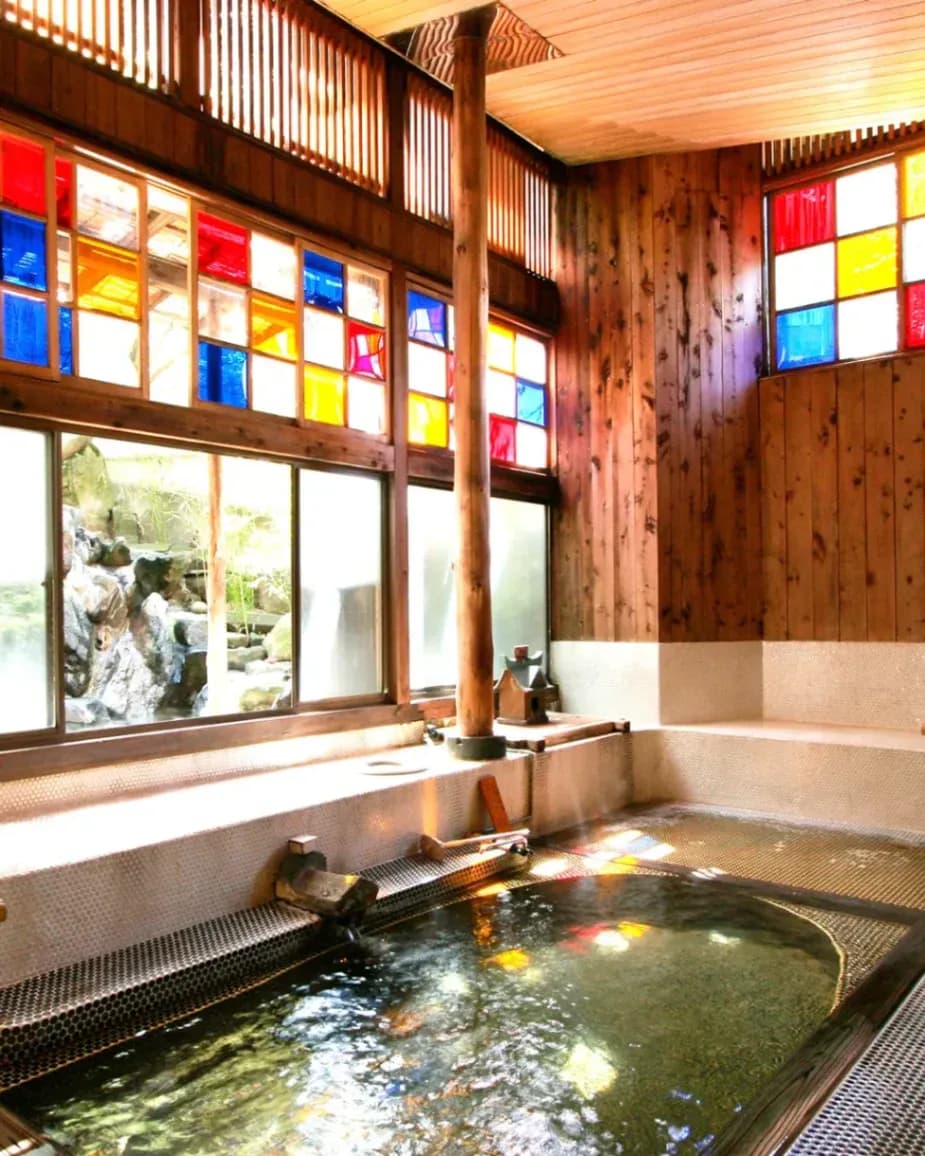
2. Fukuji Onsen Yumoto Choza (福地温泉 湯元長座) — Takayama City

3. Fukuji Onsen Yamazato no Iori Soen (福地温泉 山里のいおり 草円) — Takayama City
4. Shinhirayu Onsen Okuhida Hyakusho Zashiki no Yado Fujiya (新平湯温泉 奥飛騨百姓座敷の宿 藤屋) — Takayama City
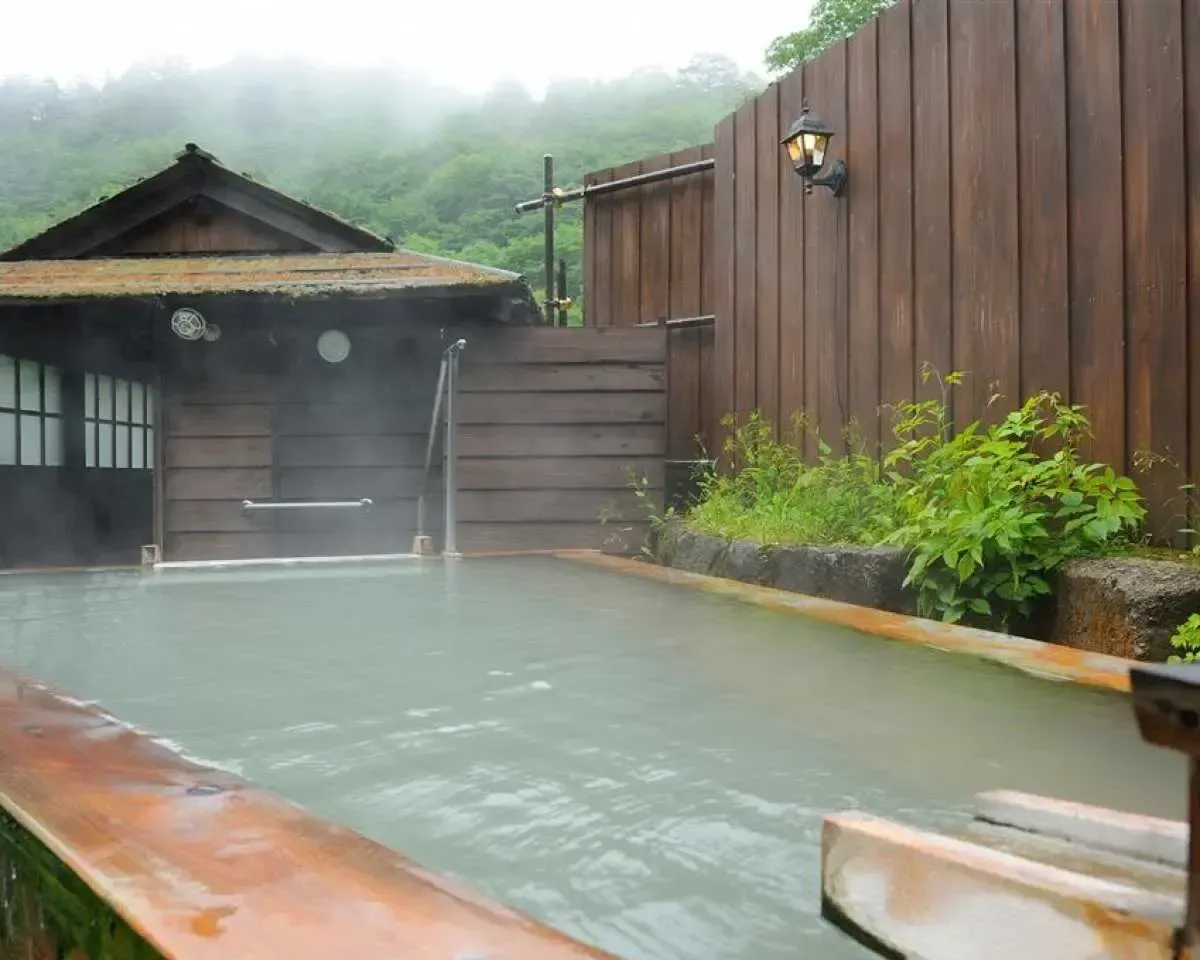
5. Nigorigo Onsen Ryokan Yumotokan (濁河温泉 旅館 湯元館) — Gero City
6. Nigorigo Onsen Yu no Yaso (濁河温泉 湯の谷荘) — Gero City
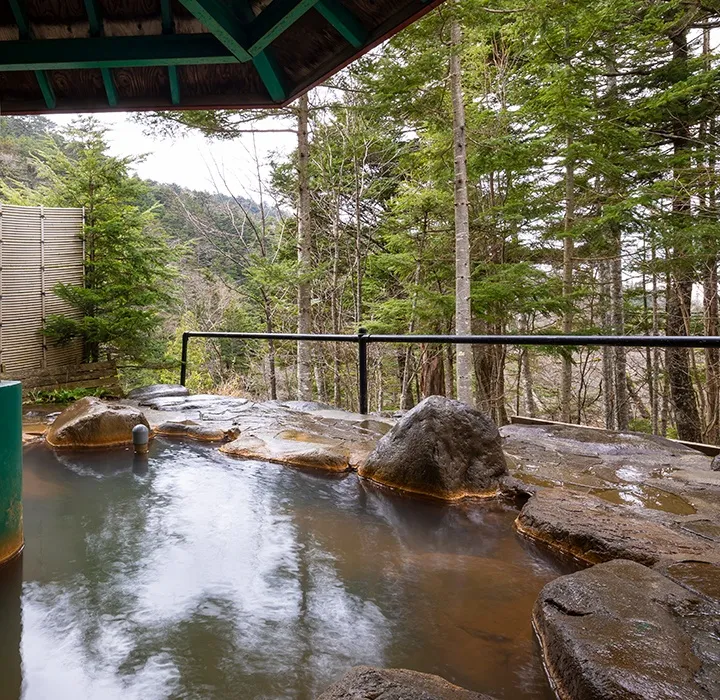
7. Yuya Onsen Sengakukan (湯屋温泉 泉岳舘) — Gero City
8. Shinhotaka Onsen Shinhotaka no Yu (新穂高温泉 新穂高の湯) — Takayama City
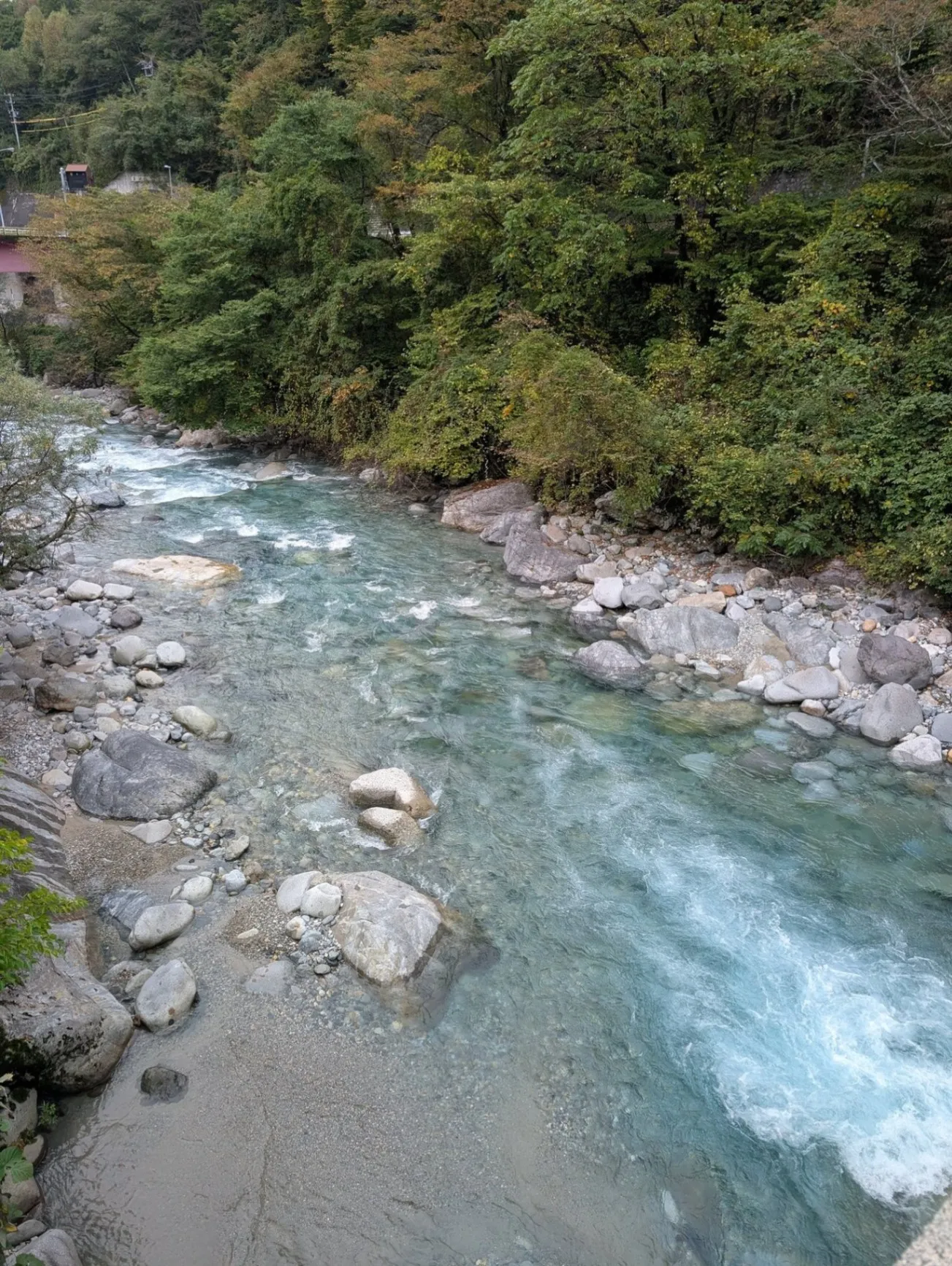
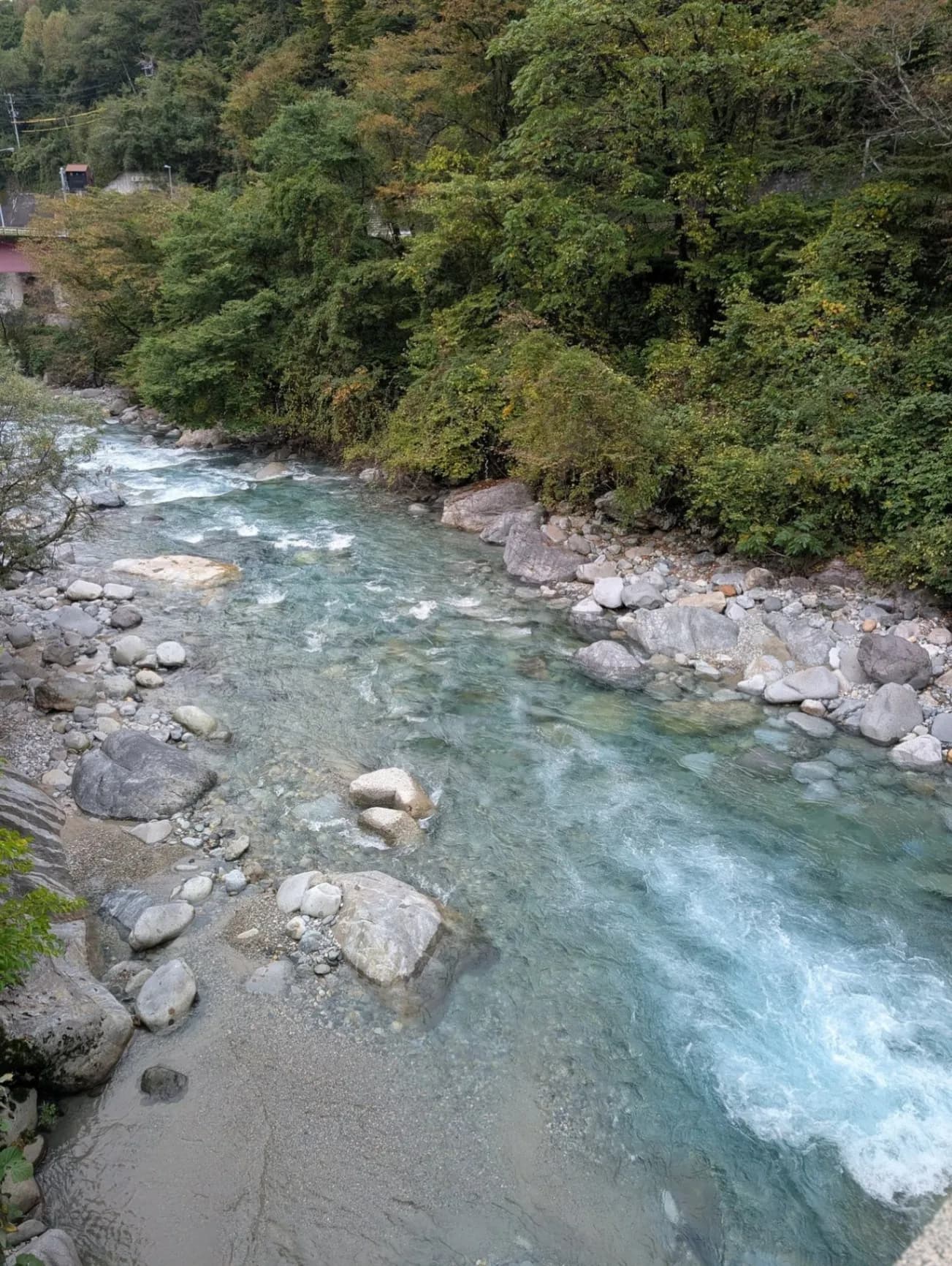
9. Okuhida Onsen-go Tochio Onsen Kojin no Yu (奥飛騨温泉郷 栃尾温泉 荒神の湯) — Takayama City
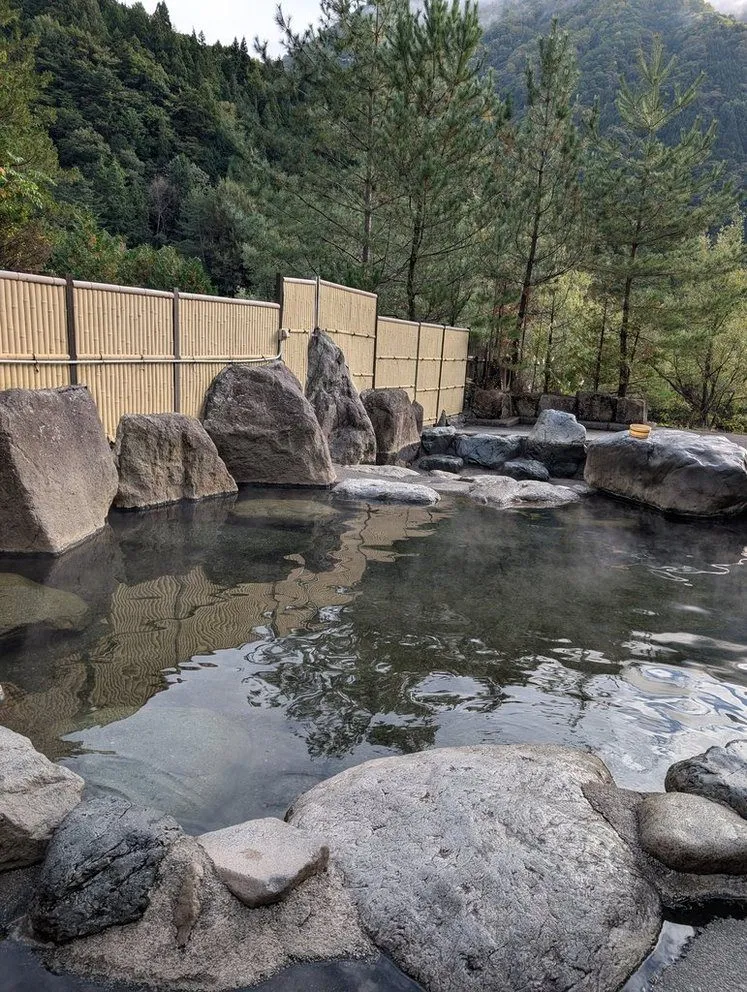
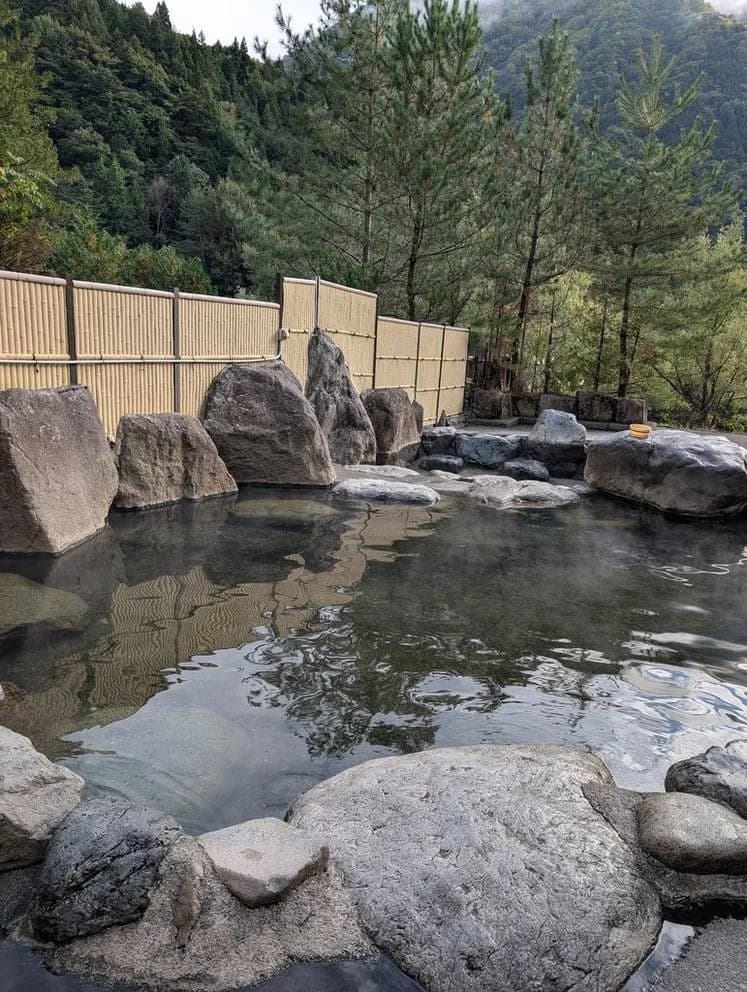
10. Okuhida Onsen-go Hirayu Onsen Hirayu Minzokukan Hirayu no Yu (奥飛騨温泉郷 平湯温泉 平湯民俗館 平湯の湯) — Takayama City
Summary: What to Know Before Visiting Gifu's Hot Springs
Gifu's hidden springs fall into two broad areas: Okuhida Onsen-go in Takayama City, and the foot of Mount Ontake in Gero City. Both are deep in the mountains, and a car is more practical than public transport. It helps to grasp this geography before planning.
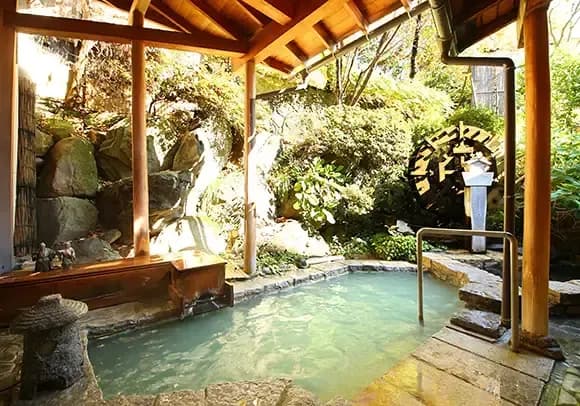
Okuhida Onsen-go (Takayama City). This cluster on the southern flank of the Northern Alps takes in five villages — Hirayu, Fukuji, Shinhirayu, Tochio, and Shinhotaka. The gateway is the bus terminal at Hirayu Onsen, served by highway buses from Matsumoto, Takayama, and Shinjuku; local buses fan out from there, so some legs can be done without a car. For an overnight stay, Yarimikan is a long-established inn along the Gamata River, founded in 1925 (Taisho 14). It pours a 63°C simple spring as flow-through (kakenagashi) water and has an open-air bath facing the peak of Yarigatake. Fukuji Onsen holds two mountain-village inns — Yumoto Choza, built around irori hearths, and the cottage-style Yamazato no Iori Soen. Fukuji's simple sulfur water feels smooth and slippery, and the area is also known for its fossils. Fujiya at Shinhirayu Onsen preserves the layout of a Hida farmhouse. All are geared to overnight guests, so confirm day-bathing hours directly with each inn.
The foot of Mount Ontake (Osaka, Gero City). On the mid-slope of the sacred volcano Mount Ontake, at 1,800 meters, sits Nigorigo Onsen — one of the highest hot-spring resorts in Japan and long a base for climbing Ontake. Its two inns, Ryokan Yumotokan and Yu no Yaso, draw a simple sulfur spring as flow-through water. Because it is so high, the access road closes for part of the winter, so check operating dates and road conditions before setting out. Lower in the same Osaka valley, Yuya Onsen Sengakukan pours iron-rich carbonated water with a long history as a therapeutic drinking spring. Okuhida and the Ontake foothills are the same prefecture but several hours apart by road; rather than trying to cover both, focus on one area over two or three days.
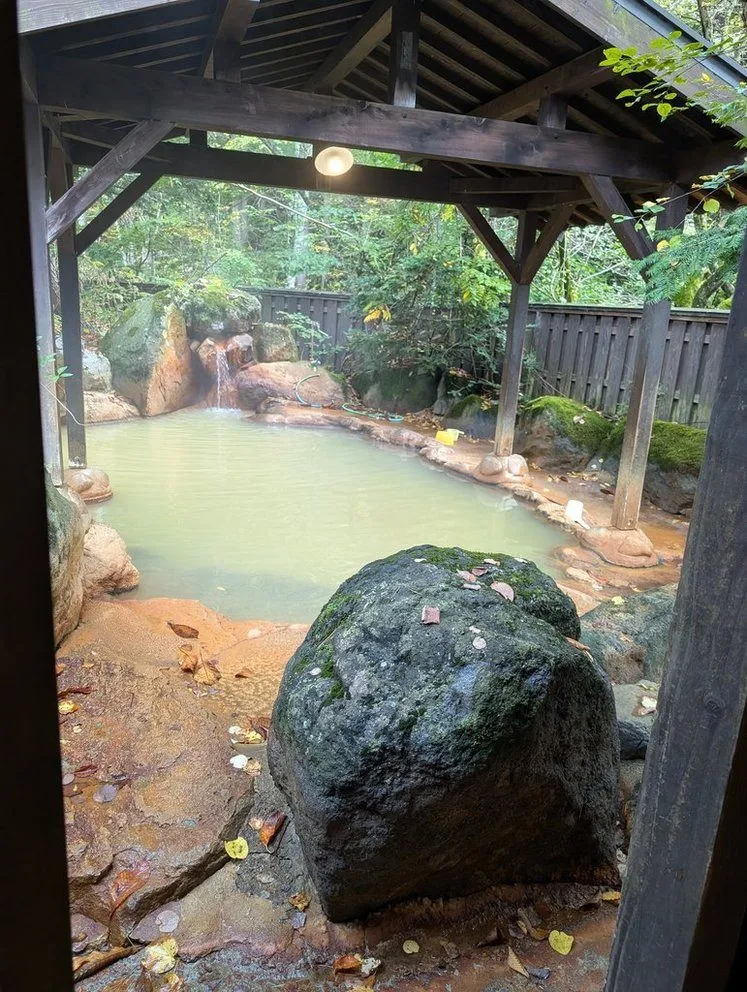
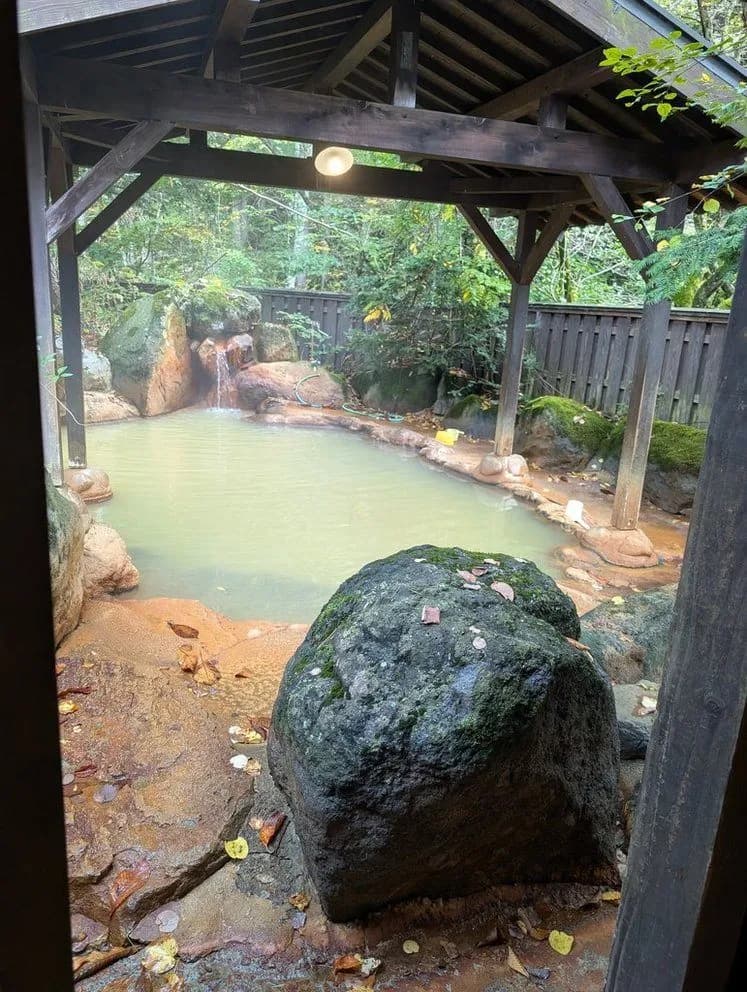
Open-air baths for a day visit. Between inn stays, pair in Okuhida's open riverside baths. Shinhotaka no Yu, on the bank of the Gamata River, is a mixed-gender open-air bath that has graced the covers of travel magazines many times. Kojin no Yu at Tochio Onsen is another riverside bath; both run on a donation or cleaning-fee basis. Hirayu no Yu is a drop-in bath attached to the Hirayu Folk Museum with its gassho-zukuri buildings. These are often unstaffed, simple facilities subject to cleaning hours and seasonal closures, so check before you go.
At every facility, day-bathing availability, hours, fees, and winter road conditions can change. Verify the latest details on each facility's official website or the local tourism association before visiting.
Frequently Asked Questions
Can I visit Gifu's hidden springs on a day trip? In Okuhida Onsen-go, Shinhotaka no Yu, Kojin no Yu, and Hirayu no Yu are drop-in open-air or communal baths open to day visitors. The inns at Yarimikan, Fukuji, and Nigorigo, however, are geared to overnight guests, and day bathing may be limited to set hours or unavailable on some days. To enjoy the water itself, an overnight stay is best. Confirm availability with each inn in advance.
How do I get to Okuhida Onsen-go, and is a car needed? The gateway is the bus terminal at Hirayu Onsen, with highway buses from Matsumoto, Takayama, and Shinjuku. Local buses run to the villages from there, but not frequently. To move efficiently among the inns and open-air baths of Fukuji, Shinhirayu, and Shinhotaka, a rental car is the practical choice.
Are the baths mixed-gender, and is swimwear allowed? What about tattoos? Inn baths are generally separated by gender and entered without swimwear; private or family baths are the option if you prefer not to share the water. The riverside open-air baths such as Shinhotaka no Yu keep an old mixed-gender style, where women are often encouraged to wear swimwear or a bathing wrap. Tattoo policies vary by facility and are frequently stricter at ryokan than at public baths, so travelers with tattoos should check directly before visiting.
How high is Nigorigo Onsen, and can I go in winter? How do I pay? Nigorigo Onsen sits at about 1,800 meters on the mid-slope of Mount Ontake, one of the highest hot-spring resorts in Japan. Because of the altitude, the access road closes for part of the winter, so confirm the inn's operating dates and road conditions before traveling. Payment can be cash-only at smaller mountain inns, and the drop-in open-air baths run on a donation or cleaning-fee basis, so carry cash and small coins.
The information in this article (admission fees, operating hours, water quality data, etc.) is based on research conducted at the time of writing. Details may have changed or contain errors. Please verify the latest information on each facility's official website or through the local tourism association.