Sukayu
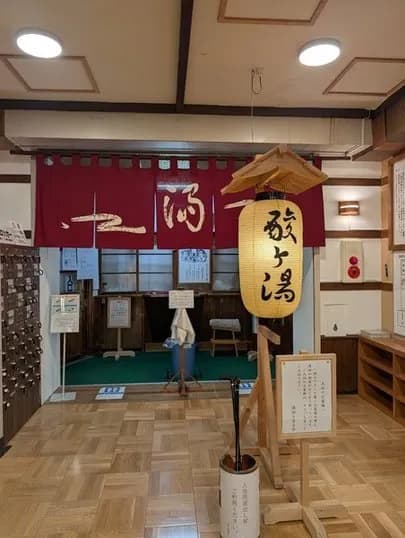
Hot Spring Overview
Sukayu Onsen is one of Japan's most renowned hidden hot springs, located at an elevation of approximately 925 meters on the western slope of Mount Odake, the main peak of the Hakkoda Mountains in southern Aomori City, Aomori Prefecture. In 1954, it was designated as Japan's first National Health Resort Hot Spring alongside Shima Onsen and Nikko Yumoto Onsen, boasting a prestigious history of approximately 340 years.
The hot spring's discovery dates back to 1684 during the early Edo period. According to legend, a hunter named Chonai Saemon Shiro from Yokouchi Village was tracking a wounded deer in the mountains. Three days later, when he found the deer, he was amazed to see it swiftly climbing rocky cliffs despite its injuries. This led him to discover the healing hot spring. Initially called "Shika-no-Yu" (Deer Hot Spring), the name evolved into "Sukayu."
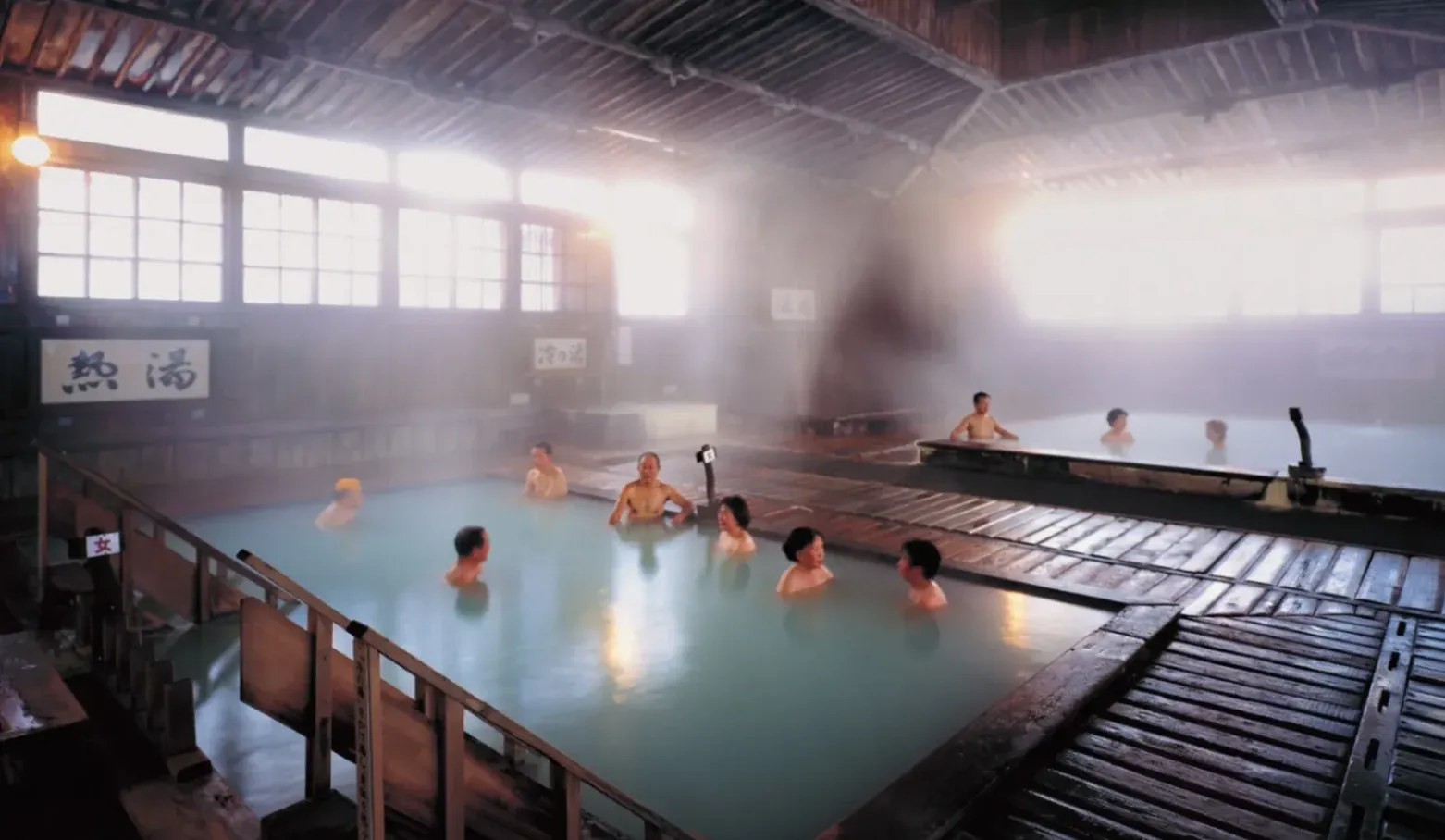
The signature feature is the "Hiba Sennin-buro" (Hiba Thousand-Person Bath), a magnificent communal bathhouse made entirely of Hiba cypress wood. Spanning approximately 260 square meters (equivalent to 160 tatami mats), this impressive wooden structure has no supporting pillars in its center. The bathhouse contains four different hot spring sources: "Netsu-no-Yu" (Hot Bath), "Shibu-Rokubu-no-Yu" (Four-Six Bath), "Hie-no-Yu" (Cool Bath), and "Shika-no-Yu Taki" (Deer Bath Waterfall), each with distinct temperatures and characteristics. The Netsu-no-Yu features a rare "ashimoto yushutsu" system where hot spring water naturally emerges from the bottom of the bath, providing fresh 100% source water flow.
Mount Hakkoda is located within Towada-Hachimantai National Park and is known as one of the world's heaviest snowfall regions, with annual snowfall reaching approximately 17 meters and maximum snow depth of about 23 meters. Despite the harsh natural environment, the facility operates year-round, offering spectacular seasonal scenery: frost-covered trees and snow landscapes in winter, fresh beech greenery from spring to summer, and stunning autumn foliage. The ancient saying "Three cycles of ten days will cure all ailments" reflects its long-standing reputation as a therapeutic hot spring destination attracting visitors from across Japan.
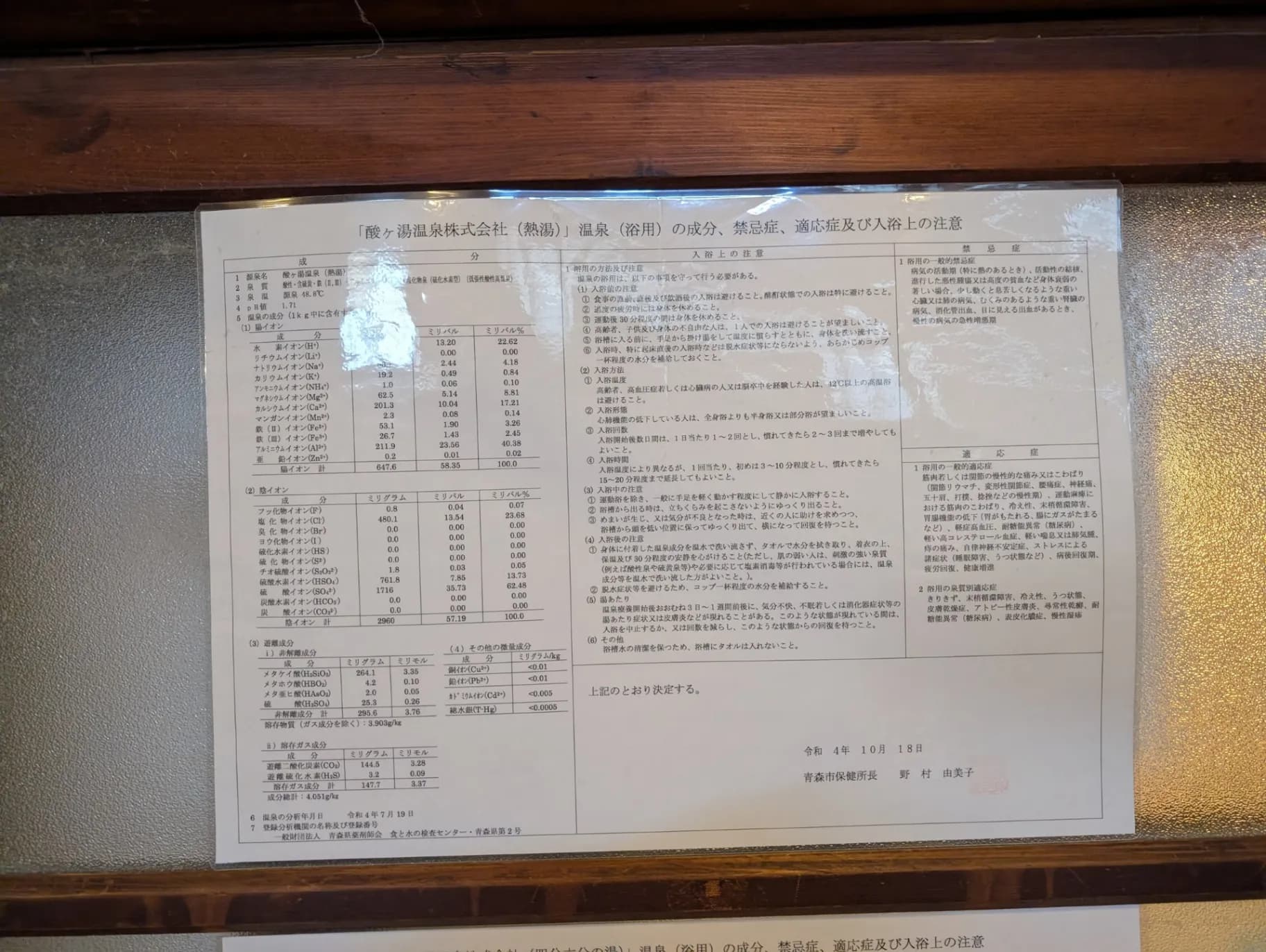
The famous woodblock print artist Munakata Shiko loved Sukayu and created artworks while taking hot spring therapy here. Adventurers Miura Keizo and his son Miura Yuichiro also cherished the Hakkoda Mountains and frequently visited Sukayu. The water quality features strong acidity with pH 1.5-2.0, and as the name suggests, tastes more sour than lemon when tasted, with characteristic sulfur odor and milky white cloudy appearance. It is recognized as a "therapeutic hot spring" effective for neuralgia, rheumatism, skin diseases, gynecological conditions, gastrointestinal disorders, and various other ailments.
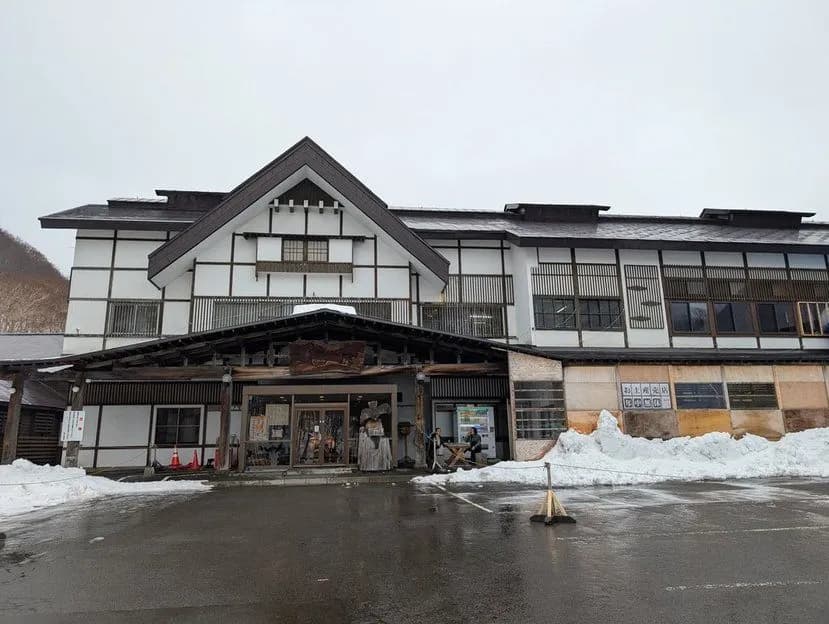
The accommodation facility has 139 rooms divided into two sections: the "Ryokan-tou" (Inn Wing) with a retro Showa-era atmosphere, and the simple "Toji-tou" (Hot Spring Therapy Wing) designed for self-catering and long-term stays. The therapy wing includes kitchen facilities, allowing stays of 10 days or more. The facility also features attractive cuisine using seasonal produce from Aomori's mountains and seas, utilizing abundant local ingredients.
About Secluded Rating
Total Score
Access
Scenery
Value
Access by car is possible, but please note that heavy snowfall in winter can make travel difficult.
The Hiba Sen'nin Buro, a large wooden bathhouse, combined with the strongly acidic, milky-white spring water and its location deep in the Hakkōda Mountains, gives this hot spring a truly atmospheric and traditional feel.
With over 300 years of history, Sukayu Onsen was designated as Japan’s first National Health Resort Hot Spring, and it offers a deep sense of local culture and therapeutic bathing tradition.
Hot Spring Details
| Quality | Sulfur Spring Iron Spring |
| Temp | 48℃ ~ 49℃ |
| Supply | Natural Source Flow |
| Filter | Not Filtered |
| Source | 48.8℃ |
| pH | pH 1.7  0714 AcidicNeutralAlkaline |
Water Quality
Temperature
Supply
Filtration
Source Temp
pH Level
Practical Info
| Stay | OK | ||||||||||||||||||
| Day Trip | OK | ||||||||||||||||||
| Fee | Adult 1000JPY/Child 500JPY | ||||||||||||||||||
| Hours |
|
Stay/Day Trip
Stay
Accommodation
Day Trip
Day Use
Admission Fee
Business Hours
| Mon | Tue | Wed | Thu | Fri | Sat | Sun | Hol | |
|---|---|---|---|---|---|---|---|---|
| 07:00 - 18:00 | ◯ | ◯ | ◯ | ◯ | ◯ | ◯ | ◯ | ◯ |
Visit Log
青森県、八甲田の山奥にある酸ヶ湯温泉へ、日帰りで行ってきました。全国でも有数の豪雪地帯にある温泉です。私はとても硫黄泉が好きなのですが、関東に住んでいると、酸ヶ湯はなかなか来られない場所でした。
訪問したのは2025年11月23日。ちょうど直前に雪がかなり降ったようで、その後は止んで晴れていたので、道の雪は溶けていました。ただ、まだまだ周りには雪が残っていて、これから冬が始まる、そんな時期でした。
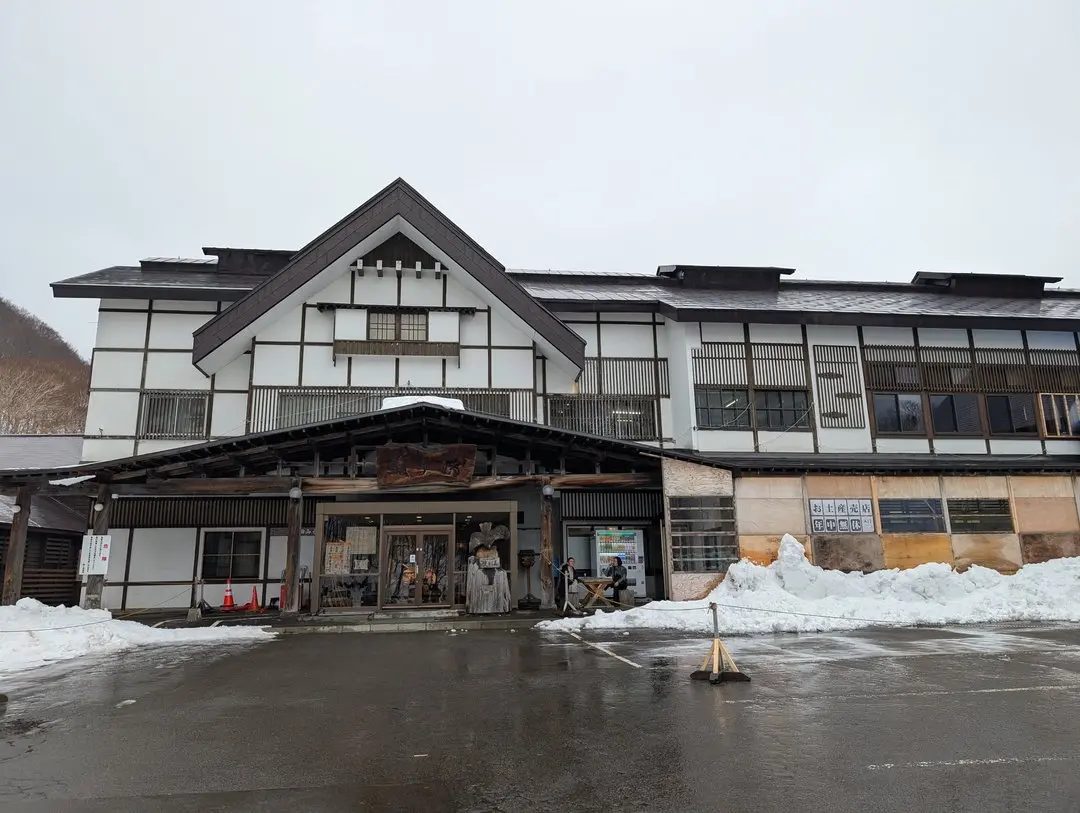
本来は何メーターも積雪が積もるような場所ですので、行く前はちょっと不安でした。すでに八甲田・十和田ゴールドラインの八地・酸ヶ湯ゲートは閉鎖していました。蔦温泉旅館に滞在していたので、八甲田山の東側をぐるっと回って、酸ヶ湯温泉へ訪問しました。本当にシーズンぎりぎりの訪問でしたが、大変満足できる旅になりました。前日夜に積雪がありましたが、素早い除雪で道は特に積雪なく通行できました。
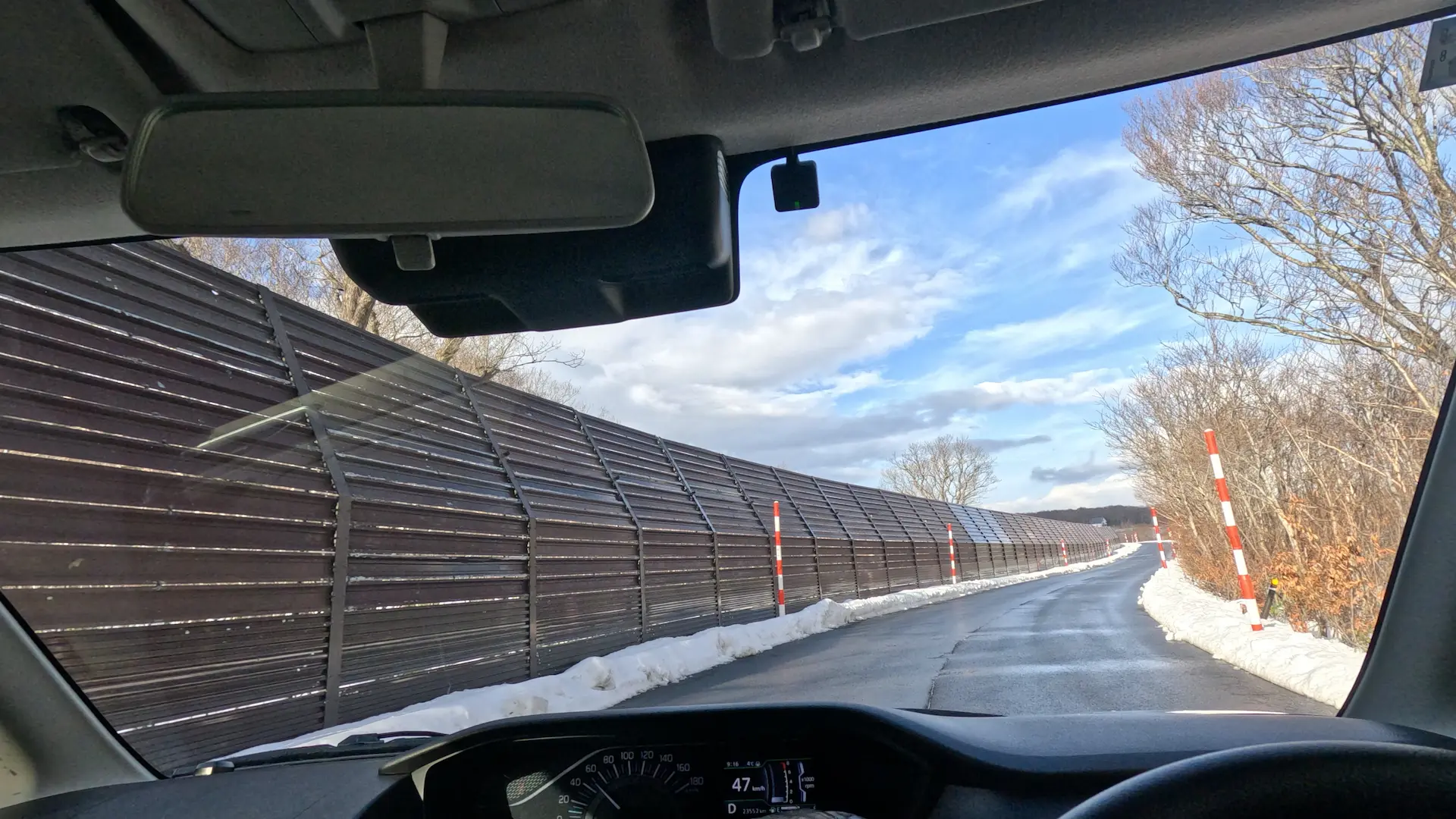
到着して、まずは有名なねぷたが飾られています。入り口のところでチケットを買って、いざ入ります。日帰り入浴は大人1,000円とのこと。入浴券は自動販売機で購入し、タオル付きでフロントで受け取れます。
混浴の大浴場「ヒバ千人風呂」は7:00〜18:00(受付終了17:30)で、8:00〜9:00は女性専用時間になっているとのことです。
小浴場「玉の湯」は9:00〜17:00(受付終了16:30)
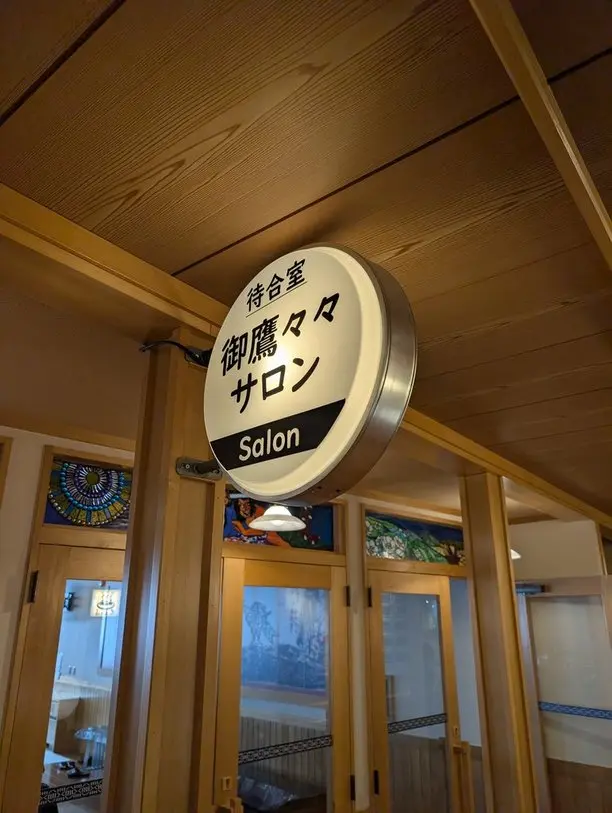
日帰り休憩所の「御鷹々々サロン」「ねぶたロビー」は9:00〜16:00(受付15:30まで)
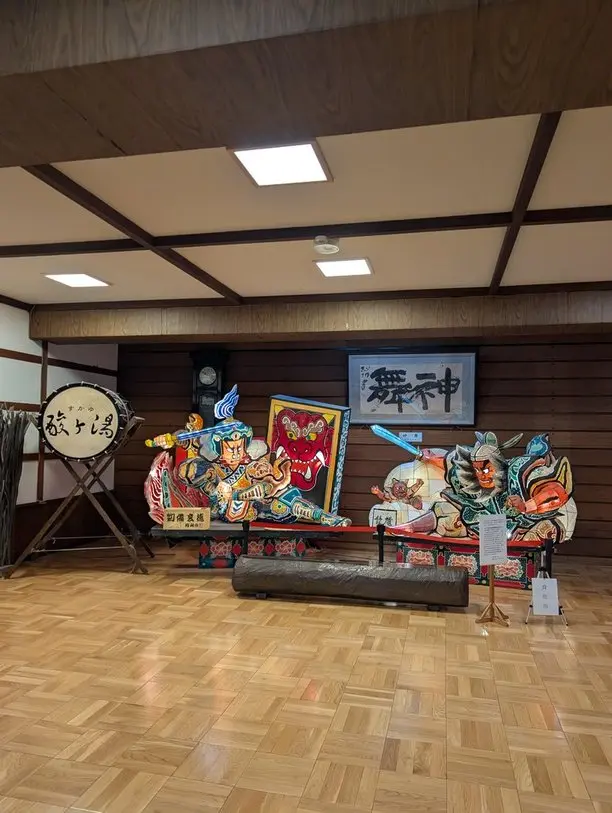
混浴ですので、女性の方は時間には注意ください。料金や時間は変化があると思うので、最新の情報は公式サイトでリサーチください。ちなみに、館内にはねぶたのお祭りの飾りがあって、かなり素敵でした。休憩所もあり、本を読んだり、軽く飲食したりできるスペースでした。
浴場は2つ。
①混浴の大浴場「ヒバ千人風呂」
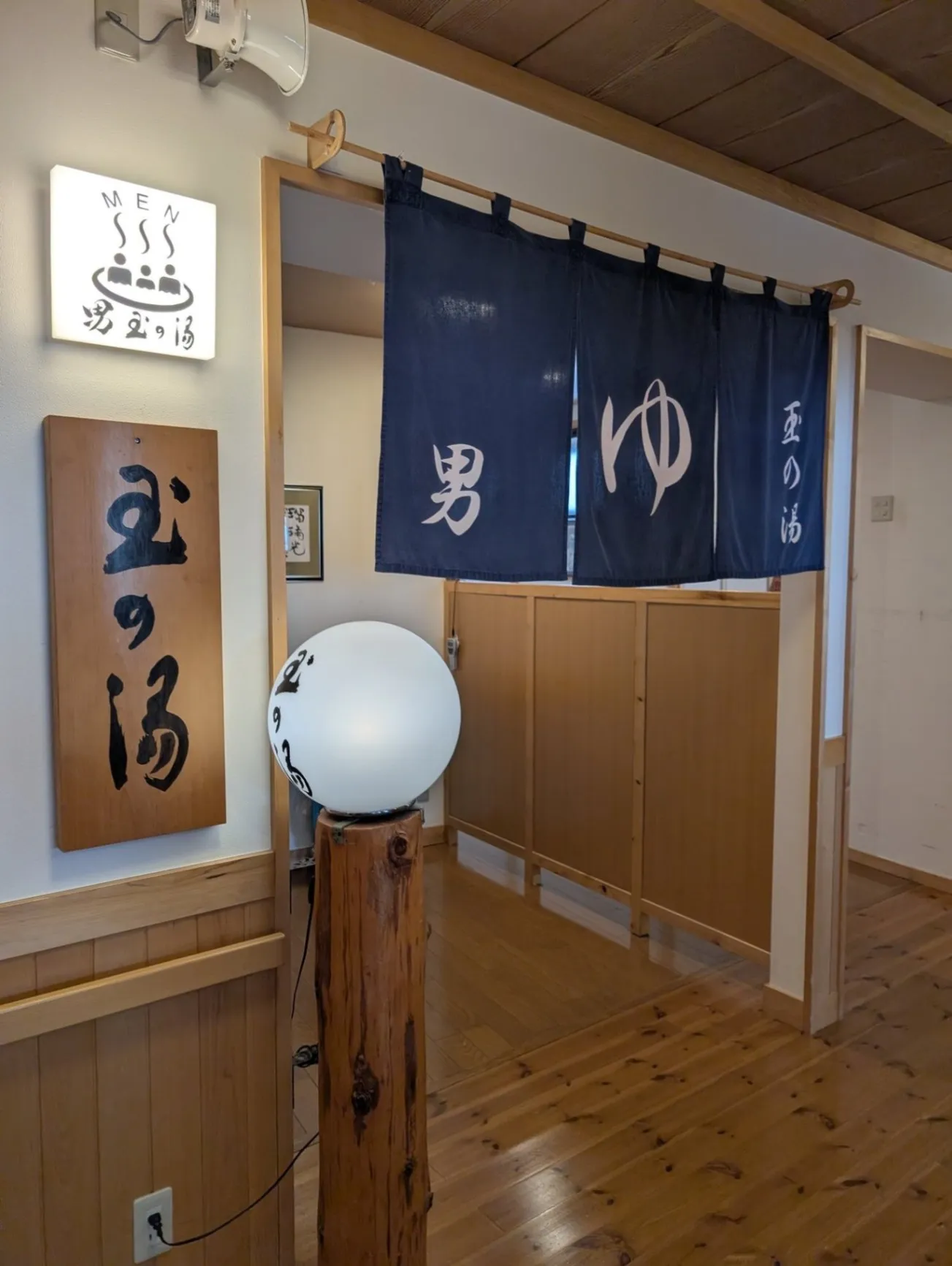
②男女別の小浴場「玉の湯」
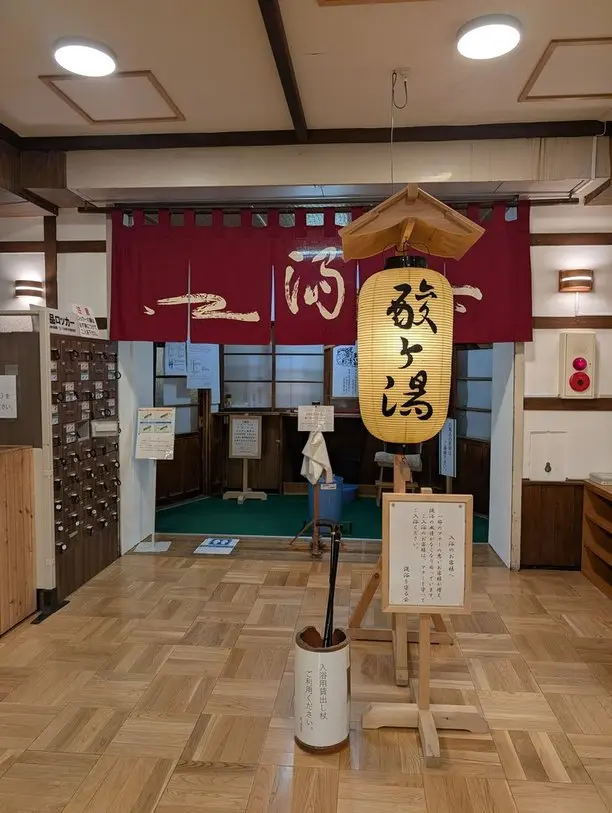
いざ、あの有名なヒバ千人風呂へ。混浴で、男女とも同じ方から入っていきます。もちろん更衣室は別なのですが、最終的にお風呂の中で合流する造りです。仕切りはあるものの、ここから先は男子、ここから先は女子、という程度の分かれ方でした。ただ、中は湯気が多いので、見通しはあまりききません。
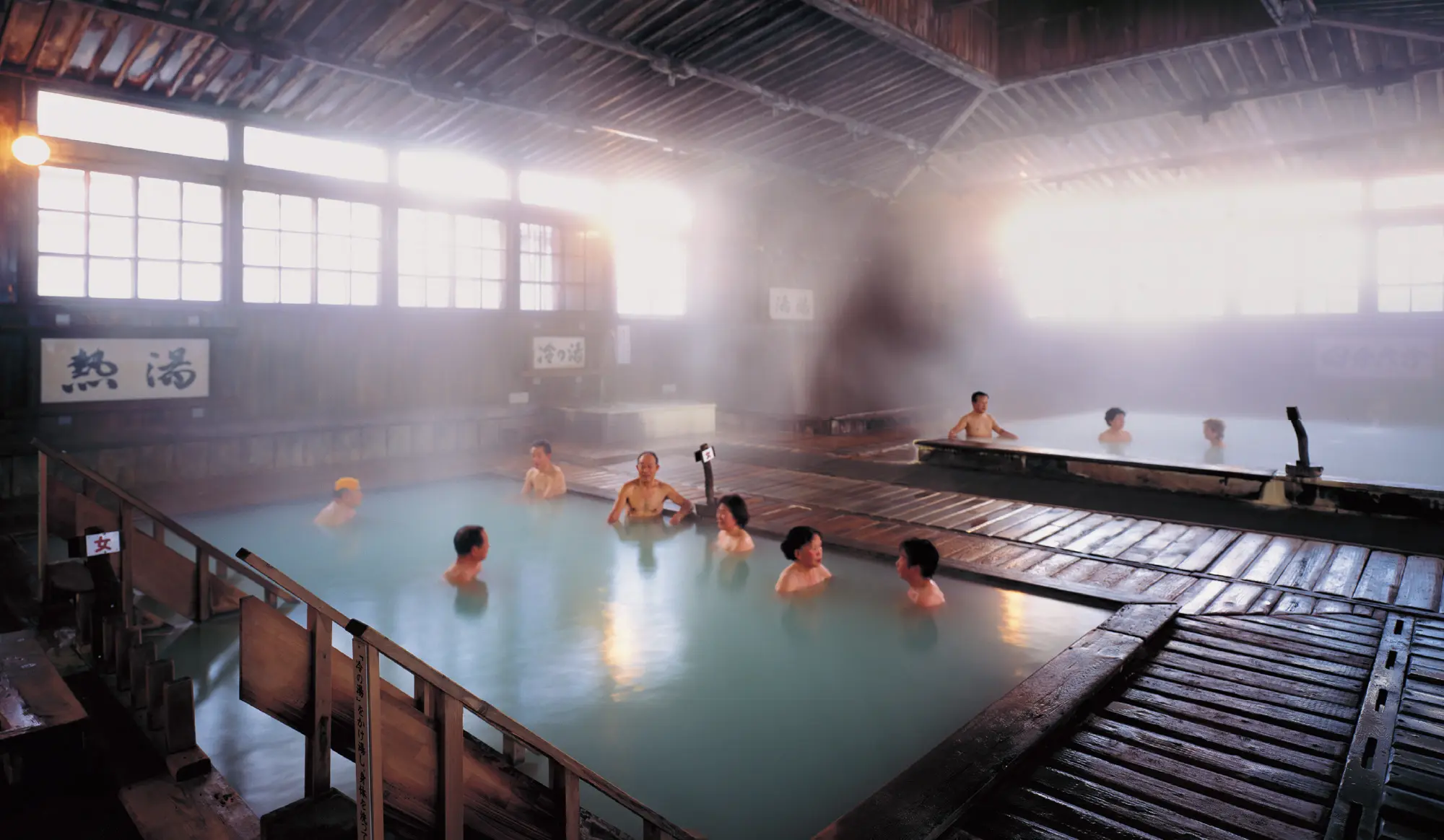
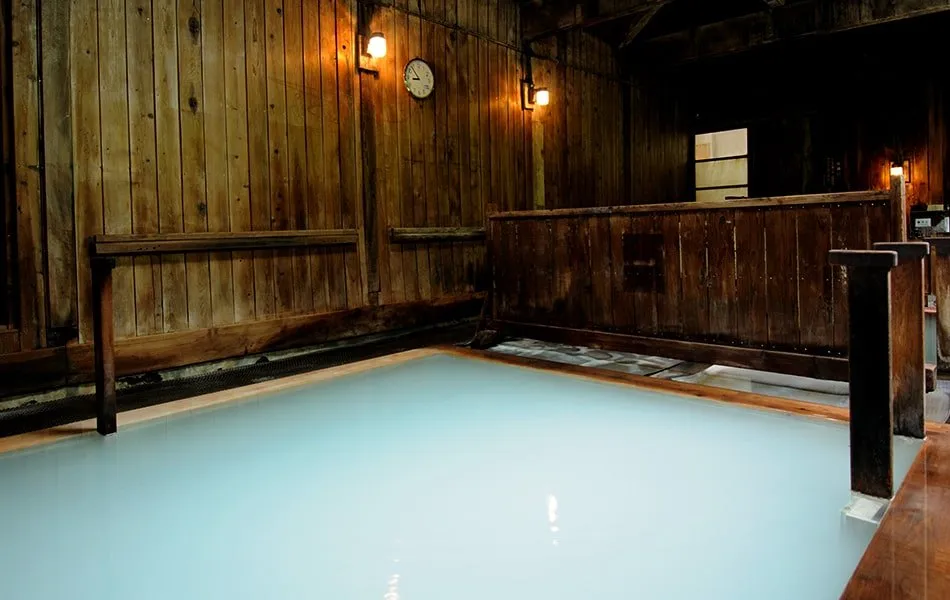
湯は、もうぴりぴり。酸ヶ湯という名前に酸性の「酸」が付いているとおり、しっかり酸を感じます。泉質は「酸性硫黄泉」とのことです。それでいて、この千人風呂はとても美しい!男湯の方から入っていくと、大きく手前に一つ浴槽があって、左側には冷たいかけ湯があります。これが千人風呂か、と感動しながら入りました。
浴場には入浴方法の案内板があり、まず手前の「熱の湯」に入り、その後「四分六分の湯」に5分。汗が出たら「冷の湯」を数回かぶって、「湯滝」へ。最後にまた熱の湯に入るという順番が書かれていました。
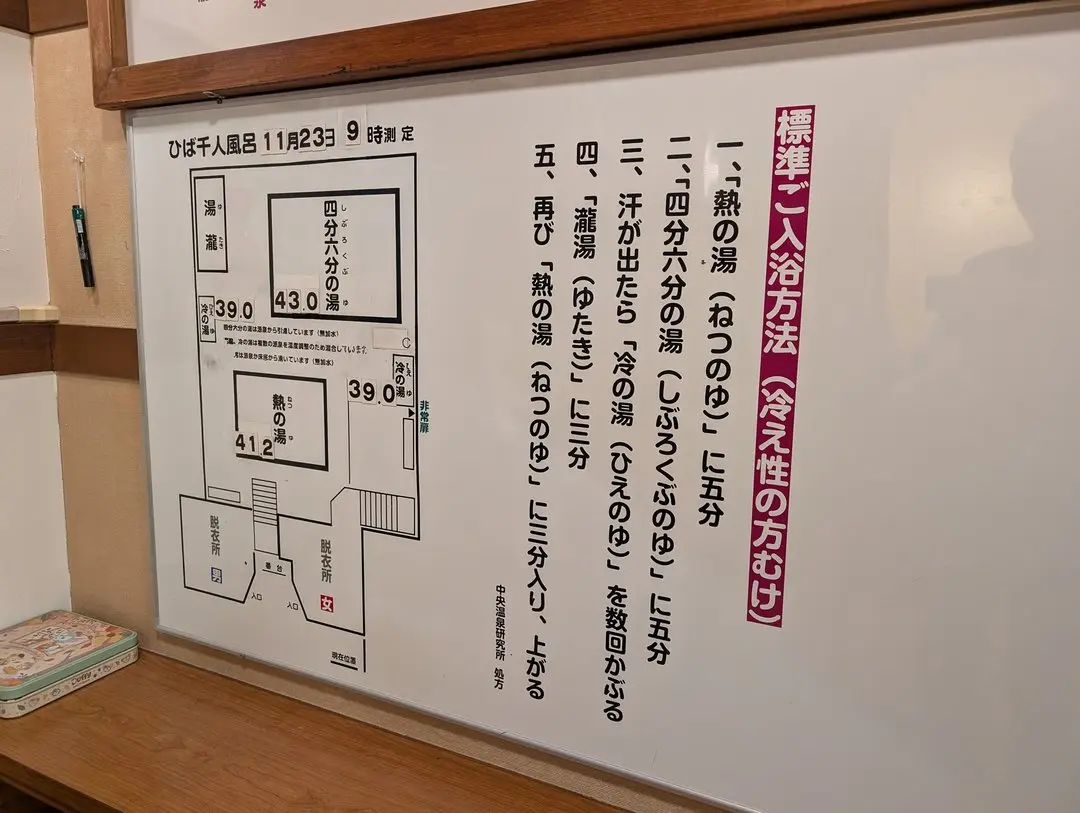
熱の湯は、案内では最初と最後に入る湯船です。名前に反して少しぬるめ?な印象でした。
四分六分の湯は、かなり酸性が強く感じられました。同じ浴場の中でも、湯船によって印象がかなり違います。四分六分の湯の掲示によると、泉温は67.1度、pHは1.53とのことで、たしかに強い酸性の温泉です。これだけ酸が強い温泉ですので、長湯しすぎない方がよさそうです。
案内ではこのあと、「冷の湯」を数回かぶって、「湯滝」へと続くとありました。私はこの通り完璧にはやってないんですけど。笑
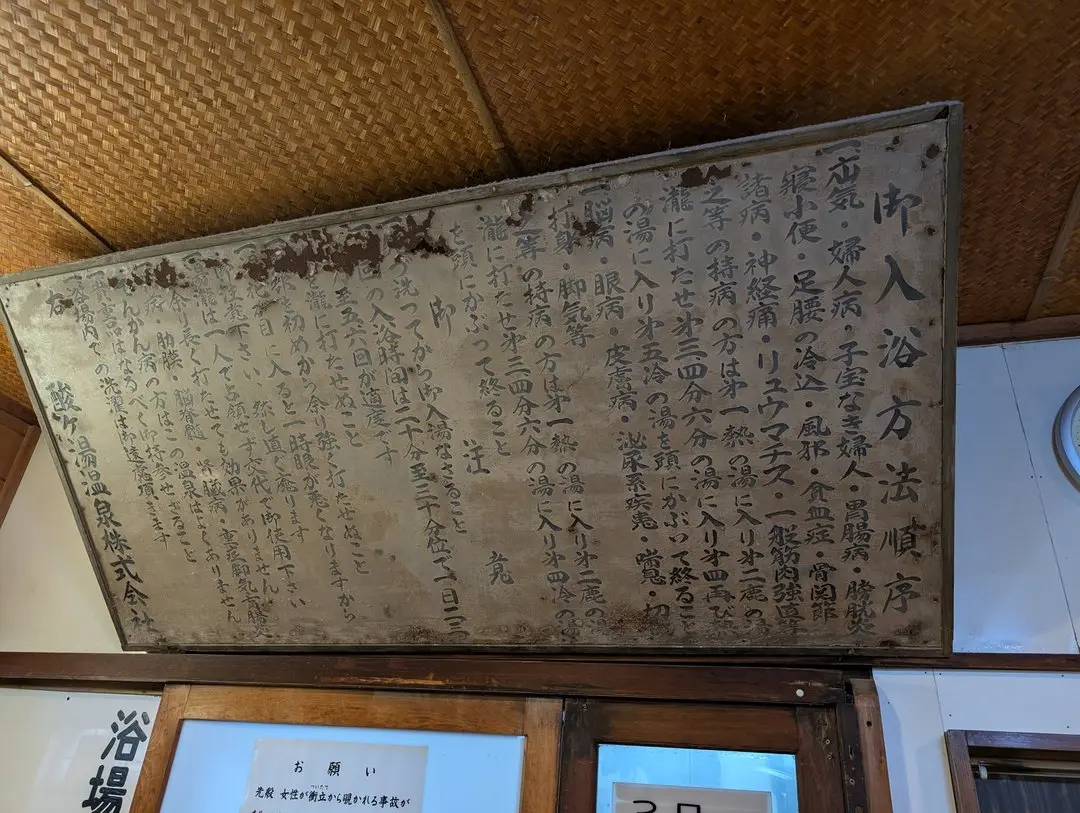
昔から使われている伝統の入浴方法の掲示もありました。歴史と伝統を感じますね
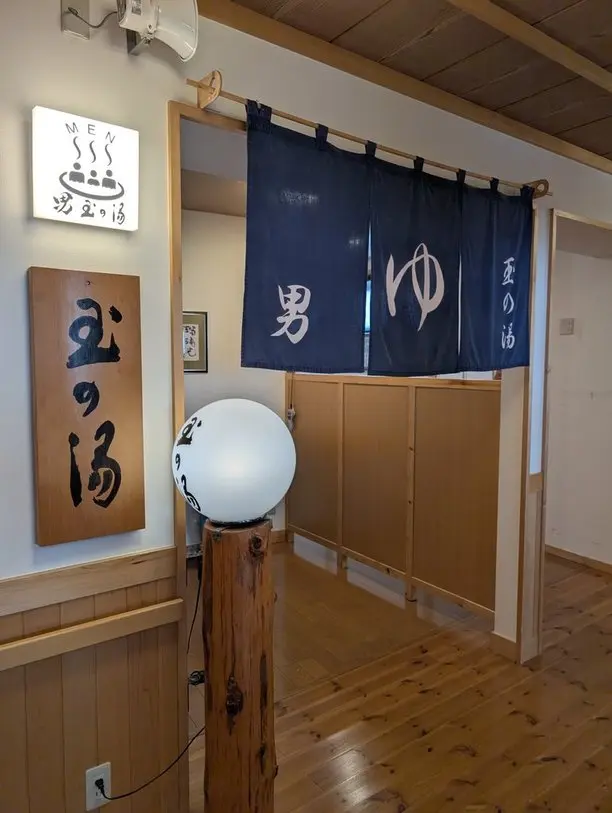
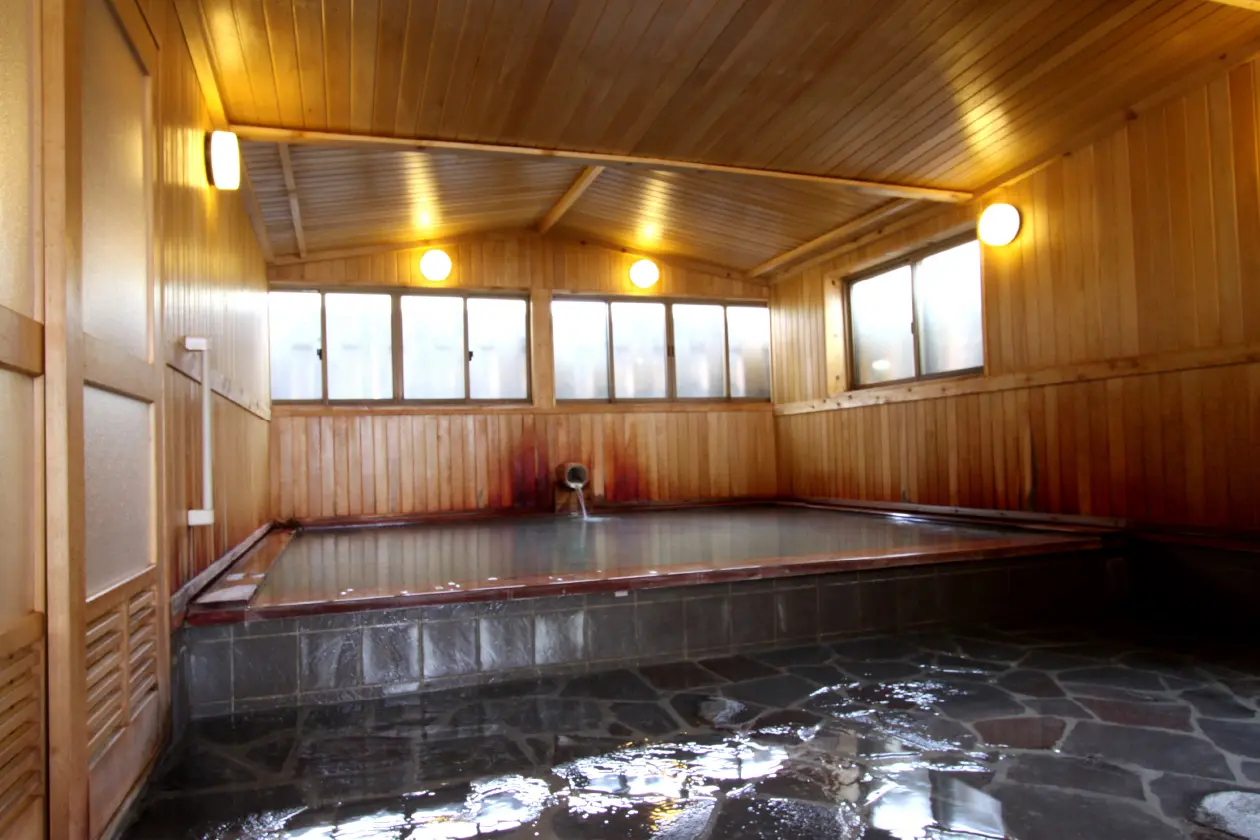
ヒバ千人風呂のあとは、男女別の小浴場「玉の湯」へ。こちらにも入って、大満足してきました。男湯より女湯のほうが広いみたいです。男湯は数人はいると一杯になるような感じでしたね。
最後に少しだけ、待合室でのんびりしました。
次は宿泊もしたいなと思いました。もうちょっと雪が積もったタイミングで、雪見をしながら入るのも良さそうです。ちょっと混雑しそうな気もしますけど。
また必ず訪れたい、そんな温泉でした。
訪問メモ
訪問日:2025年11月23日(日帰り)
入った湯船:ヒバ千人風呂(熱の湯・四分六分の湯)/玉の湯
湯の印象:ぴりぴりの強い酸性、湯船ごとに温度と酸の強さが違う
また行きたいか:次は宿泊で、雪見の季節に
Visitor Reviews
Bath Types
Facilities
Access Information
🚆 By Train & Bus
From Aomori Station (East Exit) → Sukayu Onsen: Approx. 1 hour 10 minutes by JR Bus
From Shin-Aomori Station (East Exit) → Sukayu Onsen: Approx. 1 hour 20 minutes by JR Bus
From Towadako Yasumiya → Sukayu Onsen: Approx. 1 hour 30 minutes by JR Bus
🚖 By Taxi
From central Aomori City: Approx. 45 minutes
Fare: Around ¥7,000 to ¥8,000
🚗 By Car
Approx. 40 minutes from Aomori Chūō I.C.
Approx. 50 minutes from Aomori I.C.
Approx. 45 minutes from Kuroishi I.C.
Map
Loading map...
Click the marker to view detailed information
Nearby Onsen
Loading map...
Motoyu Sarukura Onsen
Simple Sulfur Spring (Hydrogen Sulfide Type)
 Aomori
Yachi Onsen
Simple Hot Spring, Simple Sulfur Spring (Hydrogen Sulfide Type)
Tashiro Motoyu
Sulfur Spring (Hydrogen Sulfide Type), Sodium - Sulfate Spring
 Aomori
Tsuta Hot Spring
ナトリウム・カルシウム-塩化物・炭酸水素塩泉・硫酸塩線
 Aomori
Lamp no Yado Aoni Onsen
Simple Hot Spring
Itadome Onsen Abo Minshuku
Calcium - Sodium - Sulfate - Chloride Spring
Nuruyu Onsen Goto Onsen Kyakusha
Sodium - Chloride Spring
Yamani Senyukan
Sodium - Chloride - Sulfate Spring
Furutobe Onsen
Sodium - Calcium - Chloride - Bicarbonate - Sulfate Spring
Shirakami Yatate Hikage Onsen
Sulfur-containing - Sodium - Chloride Spring (Hydrogen Sulfide Type)